

Physique, Fitness, and Performance
2. Auflage
Erschienen am 21. Juni 2007
248 Seiten
978-1-4200-0878-4 (ISBN)
Beschreibung
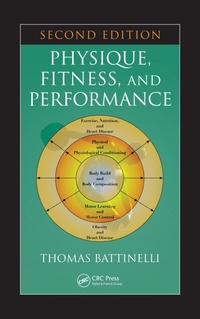
Totally revised and updated, this second edition of the well-received Physique, Fitness, and Performance retains the unique integrated approach of its predecessor, examining the relationship of structure to function in human performance. Far surpassing the limited focus of standard exercise and fitness books, it combines the morphological study of physique relative to body structure, body size and body composition with the applied interaction of muscular, cardiovascular, motor, and metabolic system capacities, abilities, and skills developed and acquired through exercise and training programs.
Establishing a background and history for the current prevalent interrelationships between physique and physical performance, the book begins by outlining the morphological, physical, motor, and metabolic component areas of study involved in physical training. Part One introduces the study of the structure-function relationships, relating body structure, size, and composition to fitness and physical performance. Part Two and Part Three present an overview of the quantitative and qualitative study of physical and physiological conditioning, motor learning, and motor control, specifically regarding the development of motor skill within general/open loop and specific/closed loop parameter guidelines. It also covers fatigue and its physiological and psychological effects on training processes. Part Four explores nutrition and the utilization of carbohydrates, fats, proteins, water, vitamins, and minerals during physical training. It includes an overview of lipids, lipoproteins, cholesterol, and atherosclerosis; dietary goals and guidelines; and risk factors relating to heart disease and obesity within health and fitness parameter guidelines. Finally, extensive appendices present the pertinent figures, tables, and forms used in evaluation and programming.
Including chapter summaries, glossaries, and references, as well as detailed and extensive appendices .
Establishing a background and history for the current prevalent interrelationships between physique and physical performance, the book begins by outlining the morphological, physical, motor, and metabolic component areas of study involved in physical training. Part One introduces the study of the structure-function relationships, relating body structure, size, and composition to fitness and physical performance. Part Two and Part Three present an overview of the quantitative and qualitative study of physical and physiological conditioning, motor learning, and motor control, specifically regarding the development of motor skill within general/open loop and specific/closed loop parameter guidelines. It also covers fatigue and its physiological and psychological effects on training processes. Part Four explores nutrition and the utilization of carbohydrates, fats, proteins, water, vitamins, and minerals during physical training. It includes an overview of lipids, lipoproteins, cholesterol, and atherosclerosis; dietary goals and guidelines; and risk factors relating to heart disease and obesity within health and fitness parameter guidelines. Finally, extensive appendices present the pertinent figures, tables, and forms used in evaluation and programming.
Including chapter summaries, glossaries, and references, as well as detailed and extensive appendices .
Weitere Details
Reihe
Auflage
2nd edition
Sprache
Englisch
Verlagsort
Baton Rouge
USA
Verlagsgruppe
Taylor & Francis Inc
Zielgruppe
Für Beruf und Forschung
exercise physiologists and coaches/trainers, students in physical education, human movement studies, exercise science, health fitness, and kinesiology
Editions-Typ
Überarbeitete Ausgabe
Illustrationen
31 s/w Tabellen, 95 s/w Abbildungen
95 b/w images and 31 tables
Dateigröße
7,26 MB
ISBN-13
978-1-4200-0878-4 (9781420008784)
Copyright in bibliographic data and cover images is held by Nielsen Book Services Limited or by the publishers or by their respective licensors: all rights reserved.
Schweitzer Klassifikation
Weitere Ausgaben
Inhalt
Physique, Fitness, and Performance, Physical and Physiological Conditioning, Nutrition and Heart Disease
