

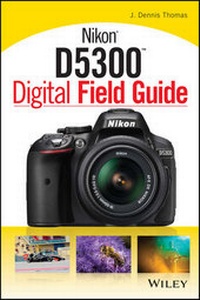
Nikon D5300 Digital Field Guide
Erschienen am 19. Februar 2014
288 Seiten
978-1-118-86713-6 (ISBN)
Beschreibung
Everything you need to know to take amazing photographs usingyour new DSLR
The Nikon D5300 Digital Field Guide is filled witheverything you need to know to take fantastic photos with your newNikon. In full color, this portable guide covers all of theessential controls, features, and functions of the Nikon D5300,using step-by-step instructions and providing full-color images ofeach menu screen. Nikon users will love this comprehensive fieldguide--it's just the right size to fit into a camera bag, soyou'll be able to take it wherever your photography adventures takeyou.
The guide goes beyond camera settings, offering you a refreshercourse in digital photography principles, and covering theessentials of lighting, composition, and exposure. This perfectlysized field guide features:
* Compact size, allowing photographers to carry it wherever theygo
* Professional advice on everything from composing a variety ofshots to choosing lenses
* Colorful example images, along with detailed instructions onhow to get the most from each of the camera's features
Filled with amazing examples, this handy guide offers a varietyof tips and tricks. You'll learn how to capture portraits, takecharacter-filled candid shots, frame sports action, documenttravel, work with macro photography, and much more!
Weitere Details
Weitere Ausgaben
Person
J. Dennis Thomas is an Austin, Texas, based photographerand the author of twenty Nikon Digital Field Guides by WileyPublishing. He is also a frequent author of articles onphotographic theory and technique for Digital Photo Magazine,MasteringPhoto.com, and F-Stoppers.com. Read more on his blog, theNikon Digital Field Guide Online (http://NikonDFG.com).
Inhalt
- Intro
- Title Page
- Copyright Page
- About the Author
- Contents
- Introduction
- About the Digital Field Guide
- Chapter 1: Exploring the Nikon D5300
- Key Components of the D5300
- The Viewfinder Display
- The Information Display
- Chapter 2: Nikon D5300 Essentials
- Exposure Modes
- Scene modes
- Special Effects Modes
- Metering Modes
- Autofocus
- Focus Modes
- Autofocus Area Modes
- Release Modes
- ISO Sensitivity
- White Balance
- Picture Controls
- File Formats, Size, and Compression
- Wi-Fi
- GPS
- Chapter 3: Setting up the Nikon D5300
- The Play back Menu
- The Shooting Menu
- The Custom Setting Menu
- The Setup Menu
- The Retouch Menu
- Chapter 4: Selecting and Using Lenses with the Nikon D5300
- Deciphering Nikon Lens Codes
- Lens Compatibility
- The DX Crop Factor
- Third-Party Lenses
- Types of Lenses
- Chapter 5: Controlling Exposure
- Defining Exposure
- Fine-Tuning Your Exposure
- Chapter 6: Working with Light
- Lighting Essentials
- Natural Light
- Continuous Light
- The D5300 Built-in Flash
- Flash Compensation
- Light Modifiers
- Chapter 7: Working with the Live View and Video Modes
- Live View Mode
- Shooting and Editing Video
- Chapter 8: Real-World Applications
- Abstract Photography
- Action and Sports Photography
- Concert and Live Music Photography
- Macro Photography
- Nature and Landscape Photography
- Night and Low-light Photography
- Portrait Photography
- Still-life, Product, and Food Photography
- Street Photography
- Chapter 9: After Capture
- Viewing Your Images
- Downloading Your Images
- File Management and Workflow
- Tonal Adjustments and Color Corrections
- Sharing Your Images Using Wi-Fi
- Appendix A: General Composition Tips
- Appendix B: Accessories
- Glossary
- Index
