


Networked Selves
Beschreibung

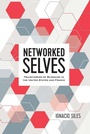
Networked Selves is an original analysis of one of the most defining cultural features of our time: how people turn to the Web to construct a public self. It examines the trajectory of a practice that embodies this sociocultural shift in fundamental ways: blogging. The book traces the evolution of the Web as a means to publicly perform a self through an analysis of the emergence, development, and transformation of blogging from the mid-1990s to the early years of the 2010s. It discusses processes that have shaped practices of subjectivity on the Web over two decades in two countries: the United States and France. Through this comparative analysis, the book shows that the cultural identity of blogging as a practice of subjectivity in these countries is neither inevitable nor neutral. Instead, it demonstrates that the development of the Web required the forging of various articulations between specific conceptions of self, publicness, and technology. These articulations were responses to both transformations in the daily life of actors and larger economic, political, and cultural processes-notably neoliberalization. The book also explains how the cultural imaginary around blogs came into being in the United States and how it has also functioned as a model for actors in other countries, such as France. Networked Selves discusses how and why actors in the technology field in France have gradually abandoned traditional makers of exceptionalism that were key in the development of the country's national identity and favored notions that characterize the United States instead.
Weitere Details
Weitere Ausgaben
Andere Ausgaben
Person
Ignacio Siles is a professor in the School of Communication at Universidad de Costa Rica. He is the author of Por un Sueño En.red.ado (2008) and several articles about technology and society. He obtained his PhD in the media, technology, and society program at Northwestern University.
Inhalt
Acknowledgments - Voicing the Web - The Emergence of the Blog - The Proliferation of Blogging - From Blogging to Microblogging - Rethinking Self-Performance in the Digital Age - Appendix: Research Design - Index.
