

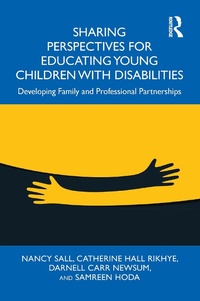
Sharing Perspectives for Educating Young Children with Disabilities
Developing Family and Professional Partnerships
1. Auflage
Erschienen am 6. September 2024
148 Seiten
978-1-040-12526-7 (ISBN)
Beschreibung

This important book is an exploration of the ways parents, teachers and academics view the development and schooling of young children with disabilities. It offers an in-depth examination of the common and critical issues that emerge as children and their families first enter the school system, navigate the educational landscape and learn to advocate for their rights. Each chapter of the book presents a parent's perspective of significant issues, followed by a teacher's perspective. From their stories, numerous themes are identified and connected to the academic literature. The experiences shared and the literature reviewed address the challenges, successes and opportunities for increased understanding that emerge as parents and educators work together toward a common goal. Sharing Perspectives for Educating Young Children with Disabilities is essential reading for all pre-service and in-service early childhood and special education professionals and parents engaging in the process of listening carefully to others with the aim of supporting the education of young children.
Rezensionen / Stimmen
"This book is unique in that it incorporates first person perspectives from multiple stakeholders in family-professional collaboration. There is just enough historical and academic background information to bring greater meaning to readers' understanding of how policy and practices have changed over time [and,] the style is particularly user-friendly and engaging. The language is clear and promotes a sense of positivity." --Susan Recchia, Ph.D., Professor Emeritus, Teachers College, Columbia University"This is the first book I have seen that is organized around parent, teacher, and academic's perspectives. In my work with early childhood/special education undergraduate and graduate students, collaborating with families is one of the most difficult aspects of learning how to teach. This book offers stories that students in education and in-service programs can relate to and learn from." --Seung Eun McDevitt, Ed.D., Associate Professor, Rowan University
"This text delivers both breadth and depth in its examination of themes and constructs most vital to supporting families and young children with disabilities. Complex topics including historical frameworks, constructs, and legislation, intersectionality of race and disability, and advocacy and social justice are presented in an engaging and nuanced way. This text will be a valuable resource in teacher education coursework." --Victoria Puig, Ed.D., Associate Professor, Montclair State University
Weitere Details
Auflage
1. Auflage
Sprache
Englisch
Verlagsort
London
Großbritannien
Verlagsgruppe
Taylor & Francis Ltd
Zielgruppe
Für höhere Schule und Studium
Für Beruf und Forschung
ISBN-13
978-1-040-12526-7 (9781040125267)
Copyright in bibliographic data and cover images is held by Nielsen Book Services Limited or by the publishers or by their respective licensors: all rights reserved.
Schweitzer Klassifikation
Weitere Ausgaben
Andere Ausgaben
Nancy Sall | Catherine Hall Rikhye | Darnell Carr Newsum
Sharing Perspectives for Educating Young Children with Disabilities
Developing Family and Professional Partnerships
Buch
09/2024
1. Auflage
Routledge
232,50 €
Versand in 10-20 Tagen
Nancy Sall | Catherine Hall Rikhye | Darnell Carr Newsum
Sharing Perspectives for Educating Young Children with Disabilities
Developing Family and Professional Partnerships
Buch
09/2024
1. Auflage
Routledge
64,60 €
Versand in 10-20 Tagen
Personen
Nancy Sall, Ed.D., Assistant Professor, Department of Special Education at Hunter College, City University of New York, USA. Nancy previously was a faculty lecturer at Teachers College, Columbia University. She has worked on numerous federally funded research projects on the communication and social development of children with significant disabilities.
Catherine Hall Rikhye, Ed.D., Special Education Curriculum Consultant, NYC Public Schools, USA. Cathy was a faculty lecturer at Teachers College, Columbia University, and Associate Professor of Special Education at Hunter College and Dominican College in NY. She created and directed the Office of Inclusive Education, NYC Department of Education.
Darnell Carr Newsum, MBA., Diversity, Equity & Inclusion Consultant, SPARK/Boston Children's Hospital, USA. Darnell is the parent of two children with Autism and a parent advocate, serving on the boards of two schools in New York City. She speaks at colleges and organizations about issues impacting families of children with autism.
Samreen Hoda, M.A., Assessment Editor, Curriculum Associates iReady, USA. Samreen designs large-scale early literacy assessments while incorporating cultural and linguistic responsiveness. She taught students with autism and other developmental disabilities in New York City Public Schools where she also served as a mentor and supervisor for novice teachers.
Catherine Hall Rikhye, Ed.D., Special Education Curriculum Consultant, NYC Public Schools, USA. Cathy was a faculty lecturer at Teachers College, Columbia University, and Associate Professor of Special Education at Hunter College and Dominican College in NY. She created and directed the Office of Inclusive Education, NYC Department of Education.
Darnell Carr Newsum, MBA., Diversity, Equity & Inclusion Consultant, SPARK/Boston Children's Hospital, USA. Darnell is the parent of two children with Autism and a parent advocate, serving on the boards of two schools in New York City. She speaks at colleges and organizations about issues impacting families of children with autism.
Samreen Hoda, M.A., Assessment Editor, Curriculum Associates iReady, USA. Samreen designs large-scale early literacy assessments while incorporating cultural and linguistic responsiveness. She taught students with autism and other developmental disabilities in New York City Public Schools where she also served as a mentor and supervisor for novice teachers.
Inhalt
Preface
Chapter 1 -- Telling Stories as a Way to Share Perspectives
Part 1: A Mother's Perspective
Part 2: A Teacher's Perspective
Part 3: The Academic Perspective
Historical Overview of Special Education
Changes in Disability Classification Over the Years
Parent Roles in Development of Services
Disability, Civil Rights and Social Justice
Evolution of Partnerships and Collaboration
Professional Humility
What About Inclusion?
What Follows in This Book
References
Guiding Questions and Activities
Chapter 2 -- Wondering and Noticing
Part 1: A Mother's Perspective
Part 2: A Teacher's Perspective
Part 3: The Academic Perspective
The Purposes of Observation
Variations in Development
Racial Disparities in Classroom
Preschool Suspension/Expulsion and the School-to-Prison Pipeline
The Unintended Outcomes of Wondering and Noticing
References
Guiding Questions and Activities
Chapter 3 -- Putting the Pieces Together: Assessment, Evaluation and Diagnosis
Part 1: A Mother's Perspective
Part 2: A Teacher's Perspective
Part 3: The Academic Perspective
Developmental and Universal Screening
An Overview of Assessment
Types of Traditional Assessment
Biases and Issues with Traditional Tests
Authentic Assessment
Team Approaches to Assessment
Multidisciplinary Approach to Assessment
Interdisciplinary Approach to Assessment
Transdisciplinary Approach to Assessment
Additional Considerations and Planning for Assessment
References
Guiding Questions and Activities
Chapter 4 - Processes, Plans and Protections Under the Law: IFSP, IEP and Section 504
Part 1: A Mother's Perspective
Part 2: A Teacher's Perspective
Part 3: The Academic Perspective
Main Themes in the IDEA
IFSPs
504 Plans and RTI
IEPs
The IEP Process
The IEP Content
Alphabet Soup: PBS, FBAs and BIPs
Due Process
Creating Collaborative Teams within the IEP Process
References
Guiding Questions and Activities
Chapter 5 -- Collaborating to Implement Programs and Services
Part 1: A Mother's Perspective
Part 2: A Teacher's Perspective
Part 3: The Academic Perspective
Developing Collaborative Relationships
Collaboration in Early Intervention
Early Intervention Professional Standards and Dispositions
Access and Barriers to Early Intervention Services
Home-Based and Center-Based Services
Collaboration in the Classroom
Push-In and Pull-Out Services
Working with Paraprofessionals
General Education and Special Education Teachers Working Together
References
Guiding Questions and Activities
Chapter 6 -- Advocating
Part 1: A Mother's Perspective
Part 2: A Teacher's Perspective
Part 3: The Academic Perspective
Parents as Advocates
Professionals as Advocates
Teachers as Advocates and Partners with Families
Children as Self-Advocates and Self-Determined Beings
Self-Determination
Cultural Considerations within Self-Advocacy and Self-Determination
The Dignity of Risk
Points of Reflection
Rocking the Boat
Familial and Cultural Considerations in Advocacy
Why We (Still) Need to Advocate
References
Guiding Questions and Activities
Epilogue -- Final Thoughts and Moving Forward
Index
Chapter 1 -- Telling Stories as a Way to Share Perspectives
Part 1: A Mother's Perspective
Part 2: A Teacher's Perspective
Part 3: The Academic Perspective
Historical Overview of Special Education
Changes in Disability Classification Over the Years
Parent Roles in Development of Services
Disability, Civil Rights and Social Justice
Evolution of Partnerships and Collaboration
Professional Humility
What About Inclusion?
What Follows in This Book
References
Guiding Questions and Activities
Chapter 2 -- Wondering and Noticing
Part 1: A Mother's Perspective
Part 2: A Teacher's Perspective
Part 3: The Academic Perspective
The Purposes of Observation
Variations in Development
Racial Disparities in Classroom
Preschool Suspension/Expulsion and the School-to-Prison Pipeline
The Unintended Outcomes of Wondering and Noticing
References
Guiding Questions and Activities
Chapter 3 -- Putting the Pieces Together: Assessment, Evaluation and Diagnosis
Part 1: A Mother's Perspective
Part 2: A Teacher's Perspective
Part 3: The Academic Perspective
Developmental and Universal Screening
An Overview of Assessment
Types of Traditional Assessment
Biases and Issues with Traditional Tests
Authentic Assessment
Team Approaches to Assessment
Multidisciplinary Approach to Assessment
Interdisciplinary Approach to Assessment
Transdisciplinary Approach to Assessment
Additional Considerations and Planning for Assessment
References
Guiding Questions and Activities
Chapter 4 - Processes, Plans and Protections Under the Law: IFSP, IEP and Section 504
Part 1: A Mother's Perspective
Part 2: A Teacher's Perspective
Part 3: The Academic Perspective
Main Themes in the IDEA
IFSPs
504 Plans and RTI
IEPs
The IEP Process
The IEP Content
Alphabet Soup: PBS, FBAs and BIPs
Due Process
Creating Collaborative Teams within the IEP Process
References
Guiding Questions and Activities
Chapter 5 -- Collaborating to Implement Programs and Services
Part 1: A Mother's Perspective
Part 2: A Teacher's Perspective
Part 3: The Academic Perspective
Developing Collaborative Relationships
Collaboration in Early Intervention
Early Intervention Professional Standards and Dispositions
Access and Barriers to Early Intervention Services
Home-Based and Center-Based Services
Collaboration in the Classroom
Push-In and Pull-Out Services
Working with Paraprofessionals
General Education and Special Education Teachers Working Together
References
Guiding Questions and Activities
Chapter 6 -- Advocating
Part 1: A Mother's Perspective
Part 2: A Teacher's Perspective
Part 3: The Academic Perspective
Parents as Advocates
Professionals as Advocates
Teachers as Advocates and Partners with Families
Children as Self-Advocates and Self-Determined Beings
Self-Determination
Cultural Considerations within Self-Advocacy and Self-Determination
The Dignity of Risk
Points of Reflection
Rocking the Boat
Familial and Cultural Considerations in Advocacy
Why We (Still) Need to Advocate
References
Guiding Questions and Activities
Epilogue -- Final Thoughts and Moving Forward
Index
