

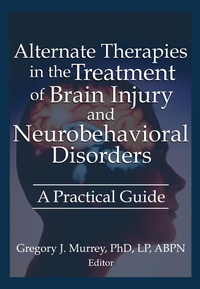
Alternate Therapies in the Treatment of Brain Injury and Neurobehavioral Disorders
A Practical Guide
Erschienen am 25. September 2017
212 Seiten
978-1-351-57694-9 (ISBN)
Beschreibung

Get the tools to provide more effective treatment for the neurobehaviorally disordered TBI patient!
As traditional treatment success rates for many persons with traumatic brain injury (TBI) are proving less than effective, clinicians search for other therapies that may be more productive. Alternate Therapies in the Treatment of Brain Injury and Neurobehavioral Disorders: A Practical Guide discusses at length various nontraditional treatment approaches such as music therapy, art therapy, EEG biofeedback, and others that may provide additional help for the neurobehaviorally disordered TBI patient.
This text provides a practical, in-depth overview of a range of nontraditional interventions and therapies. Each treatment is extensively discussed with explanations on how it can be effectively applied in rehabilitation programs. Models, case samples, contacts, and lists of training programs and professional organizations are given for each therapeutic modality. Each chapter has clear, illustrative drawings, tables, and charts, as well as comprehensive references for further research.
Alternate Therapies in the Treatment of Brain Injury and Neurobehavioral Disorders: A Practical Guide discusses these alternative treatments:
horticulture therapy
art therapy
music therapy
melodic intonation therapy
recreational therapy
chemical dependency treatment
real time EEG feedback
craniosacral therapy
This book is a comprehensive source for nontraditional therapies essential for physicians; neuropsychologists; psychiatrists; rehabilitation specialists; hospital directors, administrators, and TBI professionals.
As traditional treatment success rates for many persons with traumatic brain injury (TBI) are proving less than effective, clinicians search for other therapies that may be more productive. Alternate Therapies in the Treatment of Brain Injury and Neurobehavioral Disorders: A Practical Guide discusses at length various nontraditional treatment approaches such as music therapy, art therapy, EEG biofeedback, and others that may provide additional help for the neurobehaviorally disordered TBI patient.
This text provides a practical, in-depth overview of a range of nontraditional interventions and therapies. Each treatment is extensively discussed with explanations on how it can be effectively applied in rehabilitation programs. Models, case samples, contacts, and lists of training programs and professional organizations are given for each therapeutic modality. Each chapter has clear, illustrative drawings, tables, and charts, as well as comprehensive references for further research.
Alternate Therapies in the Treatment of Brain Injury and Neurobehavioral Disorders: A Practical Guide discusses these alternative treatments:
horticulture therapy
art therapy
music therapy
melodic intonation therapy
recreational therapy
chemical dependency treatment
real time EEG feedback
craniosacral therapy
This book is a comprehensive source for nontraditional therapies essential for physicians; neuropsychologists; psychiatrists; rehabilitation specialists; hospital directors, administrators, and TBI professionals.
Weitere Details
Sprache
Englisch
Verlagsort
London
Großbritannien
Verlagsgruppe
Taylor & Francis Ltd
Zielgruppe
Für höhere Schule und Studium
Dateigröße
71,15 MB
ISBN-13
978-1-351-57694-9 (9781351576949)
Copyright in bibliographic data and cover images is held by Nielsen Book Services Limited or by the publishers or by their respective licensors: all rights reserved.
Schweitzer Klassifikation
Weitere Ausgaben
Andere Ausgaben
Ethan B. Russo | Margaret Ayers | Barbara L. Wheeler
Alternate Therapies in the Treatment of Brain Injury and Neurobehavioral Disorders
A Practical Guide
Buch
03/2006
1. Auflage
Routledge
281,48 €
Artikel z.Zt. nicht lieferbar
Ethan B. Russo | Margaret Ayers | Barbara L. Wheeler
Alternate Therapies in the Treatment of Brain Injury and Neurobehavioral Disorders
A Practical Guide
Buch
03/2006
1. Auflage
Routledge
96,53 €
Versand in 10-20 Tagen
Personen
Ethan B Russo, Margaret Ayers, Barbara L Wheeler, Susan Schaefer, Gregory Murrey
Inhalt
About the Editor
Contributors
Acknowledgment
Chapter 1. Introduction and Overview of Brain Injury in Executive Dysfunction (Gregory J. Murrey)
Chapter 2. Horticulture Therapy in the Treatment of Brain Injury (Ann Wedel and Gregory J. Murrey)
Introduction and Overview
Horticultural Therapy Goals for Neurobehaviorally Disordered Patients
Rehabilitation-Hospital-Based Model for a Horticultural Therapy Program
Appendix: Horticultural Therapy Resources and Contact Information
Chapter 3. Art As a Therapeutic Modality with TBI Populations (Mark Sell and Gregory J. Murrey)
Introduction and Overview
Art Therapy Within a TBI Rehabilitation Program
Hospital-Based Programs
Case Samples
Patient Outcomes
Training and Certification Requirements
Appendix: Training and Academic Programs
Chapter 4. Music Therapy for Patients with Traumatic Brain Injury (Wendy Magee and Barbara Wheeler)
Introduction and Overview
Goals in Brain Injury Rehabilitation
Structure Within a TBI Rehabilitation Day Treatment or Residential Program
Case Examples
Appendix: Resources and Contact Information
Chapter 5. Melodic Intonation Therapy with Brain-Injured Patients (Susan Schaefer, Martha A. Murrey, Wendy Magee, and Barbara Wheeler)
Introduction and Overview
General Principles of MIT in Rehabilitating Functional Speech and Emotional Expression
Case Examples
Chapter 6. Recreational Therapy Program for Patients with Traumatic Brain Injury (Mark Sell and Gregory J. Murrey)
Introduction and Overview
A Community Integration Model
The Role of the Hospital-Based Recreational Therapist
The Hospital-Based Community-Integration Program
Training and Educational Programs
Chapter 7. Chemical-Dependency Treatment with Traumatic Brain-Injured Clients (Duane A. Reynolds and Gregory J. Murrey)
Introduction and Overview
Treatment of Patients with Executive Dysfunction: Clinical Considerations
Traditional Treatment Approaches
Two Models of Disability: Medical versus Interactional Model
Educational Strategies
A Program for TBI Patients with Executive Dysfunction
Case Example
Appendix: Chemical Dependency and Traumatic Brain Injury Resources
Chapter 8. All-Digital, Real-Time EEG Feedback with Open and Closed Head Trauma (Margaret E. Ayers)
Introduction and Overview
EEG Biofeedback with Brain-Injured Clients
Treatment Cases
Conclusion
Appendix: Additional Resources
Chapter 9. Craniosacral Therapy for Traumatic Brain Injury Clients with Neurobehavioral Disorders (Ann Wedel)
Introduction and Overview
The Philosophy Behind Craniosacral Therapy
The Craniosacral Therapeutic Process
Goals and Use of Craniosacral Therapy with Brain-Injured Patients
Structure and Use of Craniosacral Therapy in a Hospital-Based TBI Rehabilitation Program
Case Example
Appendix: Training and Educational Resources
Index
Reference Notes Included
Contributors
Acknowledgment
Chapter 1. Introduction and Overview of Brain Injury in Executive Dysfunction (Gregory J. Murrey)
Chapter 2. Horticulture Therapy in the Treatment of Brain Injury (Ann Wedel and Gregory J. Murrey)
Introduction and Overview
Horticultural Therapy Goals for Neurobehaviorally Disordered Patients
Rehabilitation-Hospital-Based Model for a Horticultural Therapy Program
Appendix: Horticultural Therapy Resources and Contact Information
Chapter 3. Art As a Therapeutic Modality with TBI Populations (Mark Sell and Gregory J. Murrey)
Introduction and Overview
Art Therapy Within a TBI Rehabilitation Program
Hospital-Based Programs
Case Samples
Patient Outcomes
Training and Certification Requirements
Appendix: Training and Academic Programs
Chapter 4. Music Therapy for Patients with Traumatic Brain Injury (Wendy Magee and Barbara Wheeler)
Introduction and Overview
Goals in Brain Injury Rehabilitation
Structure Within a TBI Rehabilitation Day Treatment or Residential Program
Case Examples
Appendix: Resources and Contact Information
Chapter 5. Melodic Intonation Therapy with Brain-Injured Patients (Susan Schaefer, Martha A. Murrey, Wendy Magee, and Barbara Wheeler)
Introduction and Overview
General Principles of MIT in Rehabilitating Functional Speech and Emotional Expression
Case Examples
Chapter 6. Recreational Therapy Program for Patients with Traumatic Brain Injury (Mark Sell and Gregory J. Murrey)
Introduction and Overview
A Community Integration Model
The Role of the Hospital-Based Recreational Therapist
The Hospital-Based Community-Integration Program
Training and Educational Programs
Chapter 7. Chemical-Dependency Treatment with Traumatic Brain-Injured Clients (Duane A. Reynolds and Gregory J. Murrey)
Introduction and Overview
Treatment of Patients with Executive Dysfunction: Clinical Considerations
Traditional Treatment Approaches
Two Models of Disability: Medical versus Interactional Model
Educational Strategies
A Program for TBI Patients with Executive Dysfunction
Case Example
Appendix: Chemical Dependency and Traumatic Brain Injury Resources
Chapter 8. All-Digital, Real-Time EEG Feedback with Open and Closed Head Trauma (Margaret E. Ayers)
Introduction and Overview
EEG Biofeedback with Brain-Injured Clients
Treatment Cases
Conclusion
Appendix: Additional Resources
Chapter 9. Craniosacral Therapy for Traumatic Brain Injury Clients with Neurobehavioral Disorders (Ann Wedel)
Introduction and Overview
The Philosophy Behind Craniosacral Therapy
The Craniosacral Therapeutic Process
Goals and Use of Craniosacral Therapy with Brain-Injured Patients
Structure and Use of Craniosacral Therapy in a Hospital-Based TBI Rehabilitation Program
Case Example
Appendix: Training and Educational Resources
Index
Reference Notes Included
