

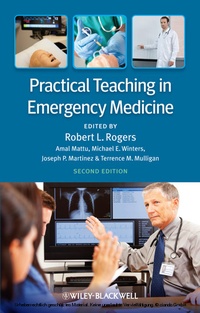
Practical Teaching in Emergency Medicine
Beschreibung

Emergency medicine attendings who wish to hone their teaching skills can find a number of books on educational strategies written by physicians from other disciplines. However, until the publication of the first edition of this book, they did not have access to a text written by emergency medicine physicians on methods of teaching that are directly applicable to teaching EM. This book was compiled to meet that need.
Following the introductory section, which provides important background information, the book's contents are organized into 4 sections that correspond to the core needs and interests of EM educators: Section 2 focuses on practical and ethical considerations of teaching in the ED; Section 3 provides strategies for teaching specific groups of learners; Section 4 looks at the skills that are characteristic of the best EM educators; and Section 5 looks indepthly at specific teaching techniques and strategies.
Now more than ever this book addresses the needs of physician educators from all over the world. New chapters discuss lecturing to an international audience; using simulation as a teaching tool; how to make journal club work for you, and other topics that are of broad interest to medical educators in this field. In general, each chapter has been updated and reviewed to make sure the content was something that emergency physician educators could use in any country.
The chapter contributors are widely regarded as leaders in the field of emergency medicine education and faculty development. Authors were given free rein to develop their chapters and write in their own style. They were asked to present their personal views on how to successfully teach the art of emergency medicine, rather than review evidence-based guidelines regarding medical education. As a result, most of the chapters have few references. This first-person approach to a multi-authored textbook yields a compilation that varies in style from chapter to chapter and exposes the reader to a variety of communication techniques.
Chief Editor
Chief Editor
Robert L. Rogers, FACEP, FAAEM, FACP; Associate Professor of Emergency Medicine and Medicine; Director, Undergraduate Medical Education; Director, Teaching Fellowship; Department of Emergency Medicine, The University of Maryland School of Medicine, Baltimore, MD, USA.
Associate Editors
Amal Mattu, MD, FAAEM, FACEP, Professor and Vice Chair; Director, Faculty Development Fellowship; Department of Emergency Medicine, University of Maryland School of Medicine, Baltimore, MD, USA.
Michael E. Winters, MD, FACEP, FAAEM, Associate Professor of Emergency Medicine and Medicine; Director, Combined EM/IM Program; Co-Director, Combined EM/IM/Critical Care Program; Department of Emergency Medicine, University of Maryland School of Medicine, Baltimore, MD, USA.
Joseph P. Martinez, MD, Assistant Professor of Emergency Medicine; Assistant Dean for Student Affairs, University of Maryland School of Medicine, Baltimore, MD, USA.
Terrence M. Mulligan DO, MPH, FACOEP, FNVSHA, FACEP, FAAEM, FIFEM, Assistant Professor in Emergency Medicine; University of Maryland School of Medicine, Department of Emergency Medicine, Baltimore, MD, USA; Extraordinary Senior Lecturer / Visiting Assistant Professor, Stellenbosch University, Division of Emergency Medicine, Cape Town, South Africa.
Weitere Details
Weitere Ausgaben
Andere Ausgaben
Inhalt
2 - Contents?????????????????????????????? [Seite 9]
3 - Editors and Contributors?????????????????????????????????????????????????????????????? [Seite 13]
4 - Preface???????????????????????????? [Seite 23]
5 - Section 1 Background/Introduction [Seite 25]
5.1 - Chapter 1 Adult learners in the emergency department?????????????????????????????????????????????????????????????????????????????????????????????????????????????????????? [Seite 27]
5.1.1 - Learning theories [Seite 27]
5.1.2 - Learning as a child [Seite 28]
5.1.3 - Learning as an adult [Seite 28]
5.1.4 - Learning as an adult-Malcolm Knowles' theories and the arguments against them [Seite 29]
5.1.5 - Educating adults [Seite 30]
5.1.6 - Adult learning in the emergency department [Seite 31]
5.1.7 - Conclusion [Seite 37]
5.1.8 - References [Seite 37]
5.2 - Chapter 2 Obstacles to teaching in the emergency department???????????????????????????????????????????????????????????????????????????????????????????????????????????????????????????????????? [Seite 39]
5.2.1 - Obstacles inherent in the emergency department [Seite 39]
5.2.2 - Conclusion [Seite 46]
5.2.3 - References [Seite 47]
5.3 - Chapter 3 Teaching and patient care in emergency medicine???????????????????????????????????????????????????????????????????????????????????????????????????????????????????????????????? [Seite 49]
5.3.1 - Introduction [Seite 49]
5.3.2 - Motivation for teaching emergency medicine [Seite 49]
5.3.3 - The beginning educator [Seite 50]
5.3.4 - The seasoned veteran [Seite 50]
5.3.5 - The master educator [Seite 51]
5.3.6 - The benefits of teaching in emergency medicine [Seite 51]
5.3.7 - Improving patient care and safety [Seite 54]
5.3.8 - Conclusion [Seite 55]
5.3.9 - References [Seite 56]
5.4 - Chapter 4 Mentoring in emergency medicine???????????????????????????????????????????????????????????????????????????????????????????????? [Seite 59]
5.4.1 - Mentor and mentoring defined [Seite 59]
5.4.2 - Why mentoring is important [Seite 60]
5.4.3 - Benefits of mentorship [Seite 61]
5.4.4 - The mentoring process [Seite 62]
5.4.5 - Successful mentors and pitfalls of mentoring [Seite 65]
5.4.6 - Role of mentoring in medical education [Seite 66]
5.4.7 - Goals of mentoring [Seite 72]
5.4.8 - Career guidance [Seite 72]
5.4.9 - Summary [Seite 76]
5.4.10 - References [Seite 77]
6 - Section 2 Teaching in the Emergency Department and Beyond [Seite 81]
6.1 - Chapter 5 Bedside teaching in the emergency department?????????????????????????????????????????????????????????????????????????????????????????????????????????????????????????? [Seite 83]
6.1.1 - What is holding us back: barriers to bedside teaching [Seite 84]
6.1.2 - The basics: characteristics of effective bedside teachers [Seite 85]
6.1.3 - The framework: the experience versus explanation cycle [Seite 87]
6.1.4 - Implementation: the art of bedside questioning [Seite 89]
6.1.5 - Closure: effective feedback as it relates to bedside teaching [Seite 91]
6.1.6 - Summary [Seite 93]
6.1.7 - References [Seite 94]
6.2 - Chapter 6 Teaching invasive medical procedures?????????????????????????????????????????????????????????????????????????????????????????????????????????? [Seite 96]
6.2.1 - Prepare to teach and learn [Seite 96]
6.2.2 - The process of learning [Seite 99]
6.2.3 - Putting theory into practice [Seite 102]
6.2.4 - Creating a procedural education elective for preclinical medical students [Seite 105]
6.2.5 - Assessing competence [Seite 106]
6.2.6 - References [Seite 108]
6.3 - Chapter 7 Providing feedback in the emergency department?????????????????????????????????????????????????????????????????????????????????????????????????????????????????????????????? [Seite 109]
6.3.1 - Guidelines for providing effective feedback [Seite 110]
6.3.2 - Additional feedback methods and tools [Seite 117]
6.3.3 - Feedback and the accreditation process [Seite 119]
6.3.4 - Faculty/trainee development [Seite 119]
6.3.5 - Conclusion [Seite 120]
6.3.6 - References [Seite 120]
6.4 - Chapter 8 The computer as a teaching tool???????????????????????????????????????????????????????????????????????????????????????????????? [Seite 122]
6.4.1 - Improving patient care by locating and implementing evidence-based clinical guidelines [Seite 124]
6.4.2 - Performing an effective and efficient evidence-based medicine literature search for clinically meaningful answers during a busy shift [Seite 124]
6.4.3 - Improving use and interpretation of diagnostic imaging [Seite 126]
6.4.4 - Enhancing systematic interpretation of electrocardiograms [Seite 129]
6.4.5 - Enhancing understanding of drug toxicity, interactions, and treatment [Seite 130]
6.4.6 - Introducing a systematic approach to describing skin lesions [Seite 132]
6.4.7 - Enhancing the neurologic examination, understanding the NIH Stroke Scale, and knowing the indications/contraindications for tissue plasminogen activator for stroke [Seite 132]
6.4.8 - Enhancing the student's use of scoring systems, calculators, and decision rules to provide the basis for and documentation of care [Seite 133]
6.4.9 - Preventing medical error [Seite 134]
6.4.10 - Improving the student's understanding of normal changes in pregnancy, pregnancy complications, radiation risks in pregnancy, and contraindications to medications in pregnancy [Seite 135]
6.4.11 - Reinforcing the importance of clear communication and use of fluent translators for non-English-speaking patients [Seite 136]
6.4.12 - Understanding uncertainty in medicine [Seite 136]
6.4.13 - Using online video in emergency medicine [Seite 138]
6.4.14 - Online spaced education [Seite 138]
6.4.15 - Summary [Seite 139]
6.4.16 - References [Seite 140]
6.5 - Chapter 9 Educational technology: Web 2.0???????????????????????????????????????????????????????????????????????????????????????????????? [Seite 142]
6.5.1 - Introduction [Seite 142]
6.5.2 - ''Really Simple Syndication'' or ''Rich Site Summary'' [Seite 144]
6.5.3 - Wikis [Seite 145]
6.5.4 - Blogs [Seite 147]
6.5.5 - Microblogging [Seite 148]
6.5.6 - Podcasts [Seite 149]
6.5.7 - Social networking [Seite 150]
6.5.8 - Learning management systems [Seite 152]
6.5.9 - Web-based applications [Seite 153]
6.5.10 - Social media risks [Seite 154]
6.5.11 - Conclusions [Seite 157]
6.5.12 - Recommended reading [Seite 157]
6.5.13 - References [Seite 158]
6.6 - Chapter 10 Teaching the intangibles: professionalism and interpersonal skills/communication???????????????????????????????????????????????????????????????????????????????????????????????????????????????????????????????????????????????????????????????????????????????????????????????????? [Seite 161]
6.6.1 - Communication and professionalism [Seite 161]
6.6.2 - Recommendation 1: Establish and evaluate explicit standards, beginning with the selection process [Seite 163]
6.6.3 - Recommendation 2: Discuss the benefits of professionalism [Seite 163]
6.6.4 - Recommendation 3: Promote openness to continual growth through feedback [Seite 164]
6.6.5 - Recommendation 4: Observe and discuss negative encounters [Seite 165]
6.6.6 - Recommendation 5: Outline key components of a patient encounter, including the initial introduction, patient-centered interview, and concluding the visit [Seite 167]
6.6.7 - Recommendation 6: Promote effective leadership through positive communication with all members of the health care team [Seite 170]
6.6.8 - Recommendation 7: Communicating clearly, respectfully, and confidently with consultants [Seite 171]
6.6.9 - Recommendation 12: Be the role model of professionalism [Seite 171]
6.6.10 - Remediation of learners having difficulty with professionalism and communication [Seite 172]
6.6.11 - Conclusion [Seite 173]
6.6.12 - References [Seite 173]
6.7 - Chapter 11 Teaching lifelong learning skills: journal club and beyond???????????????????????????????????????????????????????????????????????????????????????????????????????????????????????????????????????????????????????? [Seite 175]
6.7.1 - Incorporation of research-enhanced practice into graduate medical education [Seite 175]
6.7.2 - Worldwide access to biomedical information via the Internet [Seite 176]
6.7.3 - Characteristics of poor evidence-based medicine/journal club curricula [Seite 177]
6.7.4 - Attributes of the successful evidence-based medicine curriculum and journal club [Seite 178]
6.7.5 - Conclusions [Seite 182]
6.7.6 - References [Seite 184]
6.8 - Chapter 12 Medical podcasting 101???????????????????????????????????????????????????????????????????????????????? [Seite 187]
6.8.1 - Summary [Seite 200]
6.8.2 - Further reading [Seite 200]
6.9 - Chapter 13 Use of simulation in emergency department education?????????????????????????????????????????????????????????????????????????????????????????????????????????????????????????????????????????? [Seite 201]
6.9.1 - History of simulation in education [Seite 201]
6.9.2 - Why use simulation? [Seite 202]
6.9.3 - Basic simulation tools [Seite 203]
6.9.4 - How to set up a simulation program [Seite 204]
6.9.5 - Debriefing [Seite 206]
6.9.6 - Assessment [Seite 206]
6.9.7 - Challenges to simulation [Seite 207]
6.9.8 - Conclusion [Seite 208]
6.9.9 - References [Seite 208]
6.9.10 - Suggested websites [Seite 210]
7 - Section 3 Teaching Specific Groups [Seite 211]
7.1 - Chapter 14 Teaching medical students?????????????????????????????????????????????????????????????????????????????????????? [Seite 213]
7.1.1 - Reasons to teach medical students [Seite 213]
7.1.2 - Unique educational experiences during an emergency medicine rotation [Seite 214]
7.1.3 - Qualities of an effective teacher [Seite 216]
7.1.4 - Adult learner themes [Seite 217]
7.1.5 - Educational curricular components [Seite 219]
7.1.6 - Clinical teaching [Seite 221]
7.1.7 - Techniques for overwhelmed students [Seite 223]
7.1.8 - References [Seite 225]
7.2 - Chapter 15 Teaching residents from other services in the emergency department???????????????????????????????????????????????????????????????????????????????????????????????????????????????????????????????????????????????????????????????????????? [Seite 227]
7.2.1 - Introduction [Seite 227]
7.2.2 - Advantages of having off-service residents in the emergency department [Seite 228]
7.2.3 - Suggested educational goals [Seite 229]
7.2.4 - Models for teaching off-service residents [Seite 229]
7.2.5 - Practical tips to improve models of teaching [Seite 233]
7.2.6 - Conclusion [Seite 237]
7.2.7 - References [Seite 238]
7.3 - Chapter 16 The education of resident physicians in emergency medicine???????????????????????????????????????????????????????????????????????????????????????????????????????????????????????????????????????????????????????? [Seite 240]
7.3.1 - Emergency medicine residency infrastructure and support [Seite 240]
7.3.2 - The core competencies [Seite 244]
7.3.3 - Paradigms for teaching residents [Seite 248]
7.3.4 - Tailoring the individual resident experience [Seite 253]
7.3.5 - International considerations [Seite 256]
7.3.6 - Conclusion [Seite 258]
7.3.7 - References [Seite 258]
7.4 - Chapter 17 Teaching residents how to teach?????????????????????????????????????????????????????????????????????????????????????????????????? [Seite 261]
7.4.1 - Starting the shift: expectations and enthusiasm [Seite 262]
7.4.2 - Assessment [Seite 268]
7.4.3 - Capturing observations and organizing patient care as a teacher [Seite 269]
7.4.4 - Conclusion [Seite 270]
7.4.5 - References [Seite 270]
7.5 - Chapter 18 Teaching to an international audience?????????????????????????????????????????????????????????????????????????????????????????????????????????????? [Seite 272]
7.5.1 - Background [Seite 272]
7.5.2 - Technical considerations for teaching international audience [Seite 273]
7.5.3 - Style considerations [Seite 280]
7.5.4 - Thematic considerations [Seite 283]
7.5.5 - Context and content considerations [Seite 286]
7.5.6 - References [Seite 290]
7.6 - Chapter 19 The emergency department consultation: teaching physician-physician communication to improve patient outcomes?????????????????????????????????????????????????????????????????????????????????????????????????????????????????????????????????????????????????????????????????????????????????????????????????????????????????????????????????????????????????????????????? [Seite 292]
7.6.1 - Introduction [Seite 292]
7.6.2 - Importance of consultations [Seite 293]
7.6.3 - Taxonomy of consultation [Seite 294]
7.6.4 - Barriers to successful consultations and communication [Seite 296]
7.6.5 - Improving communication in the emergency department [Seite 297]
7.6.6 - Approaches to consultations in the emergency department [Seite 299]
7.6.7 - Future of consultations [Seite 301]
7.6.8 - References [Seite 303]
8 - Section 4 Improving as an Educator in Emergency Medicine [Seite 307]
8.1 - Chapter 20 Characteristics of great teachers?????????????????????????????????????????????????????????????????????????????????????????????????????? [Seite 309]
8.1.1 - What do learners want from their teachers? [Seite 310]
8.1.2 - What do medical educators believe are the characteristics of great teachers? [Seite 311]
8.1.3 - What styles and strategies do great teachers use? [Seite 312]
8.1.4 - What are the barriers to (and the solutions for) successful teaching? [Seite 315]
8.1.5 - Conclusion [Seite 316]
8.1.6 - References [Seite 317]
8.2 - Chapter 21 Effective presentation skills?????????????????????????????????????????????????????????????????????????????????????????????? [Seite 319]
8.2.1 - Introduction [Seite 319]
8.2.2 - 10 Principles for becoming a memorable speaker [Seite 320]
8.2.3 - Now that you have got it all together: practice, practice, practice [Seite 328]
8.2.4 - Conclusion [Seite 329]
8.2.5 - References [Seite 330]
8.3 - Chapter 22 Small-group discussion skills?????????????????????????????????????????????????????????????????????????????????????????????? [Seite 331]
8.3.1 - Opportunities for use of small groups [Seite 332]
8.3.2 - Types of small groups [Seite 333]
8.3.3 - Characteristics and techniques of a good facilitator [Seite 335]
8.3.4 - Starting a small-group discussion [Seite 337]
8.3.5 - Challenges of small-group discussions and their solutions [Seite 339]
8.3.6 - Assessing the discussion [Seite 340]
8.3.7 - Conclusion [Seite 341]
8.3.8 - References [Seite 341]
8.4 - Chapter 23 Faculty development as a guide to becoming a better teacher?????????????????????????????????????????????????????????????????????????????????????????????????????????????????????????????????????????????????????????? [Seite 343]
8.4.1 - Definitions of faculty development [Seite 344]
8.4.2 - Practicing in an academic setting [Seite 345]
8.4.3 - Necessary knowledge and skills [Seite 346]
8.4.4 - Clinicians as teachers [Seite 347]
8.4.5 - Process for faculty development [Seite 348]
8.4.6 - Developing a customized program [Seite 349]
8.4.7 - Finding resources [Seite 350]
8.4.8 - Promotion [Seite 357]
8.4.9 - Conclusions [Seite 358]
8.4.10 - References [Seite 358]
9 - Section 5 Teaching Techniques and Strategies [Seite 361]
9.1 - Chapter 24 Strategies for effective clinical emergency department teaching?????????????????????????????????????????????????????????????????????????????????????????????????????????????????????????????????????????????????????????????????? [Seite 363]
9.1.1 - Introduction [Seite 363]
9.1.2 - Strategies versus traits [Seite 363]
9.1.3 - Models to guide emergency department teaching [Seite 364]
9.1.4 - Diagnosing the learner [Seite 369]
9.1.5 - Summary [Seite 374]
9.1.6 - References [Seite 375]
9.2 - Chapter 25 Pearls and pitfalls in teaching: what works, what does not??????????????????????????????????????????????????????????????????????????????????????????????????????????????????????????????????????????????????????????? [Seite 376]
9.2.1 - Introduction [Seite 376]
9.2.2 - Teach for the right reasons [Seite 377]
9.2.3 - Keep it simple [Seite 377]
9.2.4 - Clarify expectations [Seite 378]
9.2.5 - Learn what they need to learn [Seite 378]
9.2.6 - Teach, do not taunt [Seite 379]
9.2.7 - Practice safe learning [Seite 379]
9.2.8 - Engage your learners [Seite 380]
9.2.9 - A little autonomy goes a long way [Seite 380]
9.2.10 - What are you thinking? [Seite 381]
9.2.11 - Food for thought [Seite 382]
9.2.12 - Conclusion [Seite 382]
10 - Index???????????????????????? [Seite 385]
