

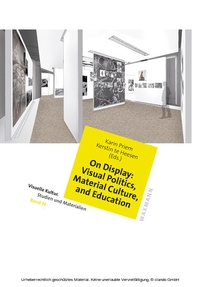
On Display: Visual Politics, Material Culture, and Education
1. Auflage
Erschienen am 1. September 2016
210 Seiten
978-3-8309-8469-6 (ISBN)
Beschreibung

This book focuses on one of the most successful photography exhibitions in history, The Family of Man. With The Family of Man as its reference point, this collection of essays takes a closer look at visual and material objects. It examines their relevance for educational issues and exhibition designs. We understand these issues in their broadest sense to encompass processes of citizenship and identity formation and the adoption and/or preservation of ethical and political values with effects that range from the micro to the macro, from the national to the international level. The overall hypothesis of this volume is that images, objects and designs were created and employed as performers and performances that interacted with and attracted mass audiences. This book not only looks at how the presentational, representational and social power of images, objects and designs was deliberately used by political and cultural stakeholders during the mid-1950s, but also how these technologies of display travelled through time and space and, as historical objects, interacted-and continue to interact-with new contexts and audiences.
Weitere Details
Weitere Ausgaben
Andere Ausgaben
Karin Priem | Kerstin te Heesen
On Display: Visual Politics, Material Culture, and Education
Buch
09/2016
1. Auflage
Waxmann
34,90 €
Versand in 10-15 Tagen
Inhalt
1 - Book Cover [Seite 1]
1.1 - Acknowledgments [Seite 5]
1.2 - Contents [Seite 7]
2 - On Display: Visual Politics, Material Culture and Education (Karin Priem and Kerstin te Heesen) [Seite 9]
3 - Icon, Allegory, Catastrophe: Three Modes of Articulation within 21st Century Public Culture (Robert Hariman) [Seite 17]
4 - Displaying Things: Perspectives from Cultural Anthropology (Gudrun M. König) [Seite 35]
4.1 - Topographies of Meaning [Seite 36]
4.2 - Lessons of Power: The Objects [Seite 37]
4.3 - From Zone of Display to Zone of Signifi cation [Seite 39]
4.4 - The Circulation of Exhibits and Knowledge [Seite 41]
4.5 - Summary: Assemblies of Things [Seite 43]
4.6 - Bibliography [Seite 43]
5 - Facts for Babies: Visual Experiments at the Intersection of Art, Science, and Consumerism in Education (Karin Priem) [Seite 47]
5.1 - Introduction [Seite 47]
5.2 - The First Picture Book: Facts on Display? [Seite 50]
5.3 - Encounters of Art and Science: New Ways of Seeing in Progressive Education [Seite 56]
5.4 - Why Does Photography Matter? Normative Implications of Facts [Seite 59]
5.5 - Conclusion: The Invention of the Future at the Intersection of Consumerism, Art, Science and Education [Seite 65]
5.6 - Bibliography [Seite 66]
6 - On "Casseroles" and Cobblestones: Approaches to the Material Culture of Public Protest (Jan C. Watzlawik) [Seite 69]
6.1 - I. Consumption as Protest: A Practice of Everyday Life [Seite 70]
6.2 - II. Commerce as Protest: A Revolution of Everyday Life [Seite 73]
6.3 - Bibliography [Seite 78]
7 - The Family of Man on the Road to Clervaux: From Temporary American Installation to Permanent Site of World Memory (Eric J. Sandeen) [Seite 83]
8 - From the Madonna lactans to The Family of Man: Tracing a Visual Frame of Reference Through History (Kerstin te Heesen) [Seite 99]
8.1 - A Few Words on Methodology [Seite 101]
8.2 - The Depiction of Breastfeeding in The Family of Man [Seite 103]
8.3 - The Depiction of Breastfeeding as a Timeless Topic [Seite 107]
8.4 - Conclusion - An Enduring Cultural Frame of Reference [Seite 117]
8.5 - Bibliography [Seite 122]
9 - The Politics of Photography: The Family of Man and the Museum of Modern Art's War Program (Kristen Gresh) [Seite 127]
10 - Hot Spots in the Cold War: Scripts, Visual Agendas, and Relocated Narratives in Cold War Photography (Æsa Sigurjónsdóttir) [Seite 145]
10.1 - Background [Seite 147]
10.2 - Relocated Narratives [Seite 149]
10.3 - Scripts and Visual Agendas [Seite 151]
10.4 - Werner Bischof in Sardinia and Iceland [Seite 155]
10.5 - Ernst Haas in Matera [Seite 159]
10.6 - Images in Their Own Time [Seite 160]
10.7 - List of Abbreviations and Acronyms [Seite 165]
10.8 - Bibliography [Seite 165]
11 - Work in Progress! Negotiating Visual Politics at the Centre national de l'audiovisuel in Luxembourg (Françoise Poos) [Seite 171]
11.1 - The CNA: A Short Historical Overview [Seite 173]
11.2 - Political Debates and Legal Frameworks [Seite 176]
11.3 - Reality Sets In: Early Developments [Seite 182]
11.4 - Bibliography [Seite 186]
12 - Dimensions of National Heritage in the USA (Brian I. Daniels) [Seite 189]
12.1 - Objects [Seite 189]
12.2 - Places [Seite 194]
12.3 - Routes [Seite 199]
12.4 - Conclusion [Seite 203]
12.5 - Bibliography [Seite 203]
13 - Notes on Contributors [Seite 207]
1.1 - Acknowledgments [Seite 5]
1.2 - Contents [Seite 7]
2 - On Display: Visual Politics, Material Culture and Education (Karin Priem and Kerstin te Heesen) [Seite 9]
3 - Icon, Allegory, Catastrophe: Three Modes of Articulation within 21st Century Public Culture (Robert Hariman) [Seite 17]
4 - Displaying Things: Perspectives from Cultural Anthropology (Gudrun M. König) [Seite 35]
4.1 - Topographies of Meaning [Seite 36]
4.2 - Lessons of Power: The Objects [Seite 37]
4.3 - From Zone of Display to Zone of Signifi cation [Seite 39]
4.4 - The Circulation of Exhibits and Knowledge [Seite 41]
4.5 - Summary: Assemblies of Things [Seite 43]
4.6 - Bibliography [Seite 43]
5 - Facts for Babies: Visual Experiments at the Intersection of Art, Science, and Consumerism in Education (Karin Priem) [Seite 47]
5.1 - Introduction [Seite 47]
5.2 - The First Picture Book: Facts on Display? [Seite 50]
5.3 - Encounters of Art and Science: New Ways of Seeing in Progressive Education [Seite 56]
5.4 - Why Does Photography Matter? Normative Implications of Facts [Seite 59]
5.5 - Conclusion: The Invention of the Future at the Intersection of Consumerism, Art, Science and Education [Seite 65]
5.6 - Bibliography [Seite 66]
6 - On "Casseroles" and Cobblestones: Approaches to the Material Culture of Public Protest (Jan C. Watzlawik) [Seite 69]
6.1 - I. Consumption as Protest: A Practice of Everyday Life [Seite 70]
6.2 - II. Commerce as Protest: A Revolution of Everyday Life [Seite 73]
6.3 - Bibliography [Seite 78]
7 - The Family of Man on the Road to Clervaux: From Temporary American Installation to Permanent Site of World Memory (Eric J. Sandeen) [Seite 83]
8 - From the Madonna lactans to The Family of Man: Tracing a Visual Frame of Reference Through History (Kerstin te Heesen) [Seite 99]
8.1 - A Few Words on Methodology [Seite 101]
8.2 - The Depiction of Breastfeeding in The Family of Man [Seite 103]
8.3 - The Depiction of Breastfeeding as a Timeless Topic [Seite 107]
8.4 - Conclusion - An Enduring Cultural Frame of Reference [Seite 117]
8.5 - Bibliography [Seite 122]
9 - The Politics of Photography: The Family of Man and the Museum of Modern Art's War Program (Kristen Gresh) [Seite 127]
10 - Hot Spots in the Cold War: Scripts, Visual Agendas, and Relocated Narratives in Cold War Photography (Æsa Sigurjónsdóttir) [Seite 145]
10.1 - Background [Seite 147]
10.2 - Relocated Narratives [Seite 149]
10.3 - Scripts and Visual Agendas [Seite 151]
10.4 - Werner Bischof in Sardinia and Iceland [Seite 155]
10.5 - Ernst Haas in Matera [Seite 159]
10.6 - Images in Their Own Time [Seite 160]
10.7 - List of Abbreviations and Acronyms [Seite 165]
10.8 - Bibliography [Seite 165]
11 - Work in Progress! Negotiating Visual Politics at the Centre national de l'audiovisuel in Luxembourg (Françoise Poos) [Seite 171]
11.1 - The CNA: A Short Historical Overview [Seite 173]
11.2 - Political Debates and Legal Frameworks [Seite 176]
11.3 - Reality Sets In: Early Developments [Seite 182]
11.4 - Bibliography [Seite 186]
12 - Dimensions of National Heritage in the USA (Brian I. Daniels) [Seite 189]
12.1 - Objects [Seite 189]
12.2 - Places [Seite 194]
12.3 - Routes [Seite 199]
12.4 - Conclusion [Seite 203]
12.5 - Bibliography [Seite 203]
13 - Notes on Contributors [Seite 207]
