

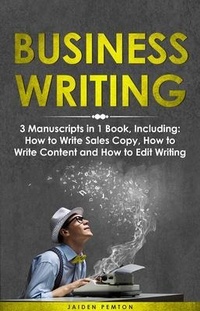
Business Writing
3-in-1 Guide to Master Business Communication, Technical Writing, Report Writing & Write Content
1. Auflage
Erschienen am 24. August 2023
174 Seiten
978-1-0882-7269-5 (ISBN)
Beschreibung
Business Writing - 3 Manuscripts in 1 Book, Including: How to Write Sales Copy, How to Write Content and How to Edit Writing
1)
HOW TO WRITE SALES COPY:
7 Easy Steps to Master Copywriting, Marketing Content, Business Writing & Freelance Writing.
YOU'LL LEARN:
- How to determine your sale copy audience
- Defining your product purpose
- How to develop your sales page
- Persuading reader action
- How to tell a story
- Playing on basic human needs
- How to develop your rebuttal
- How to excite your audience
- Presenting a sense of urgency
- How to define a call to action
- How to set your sales copy apart
- And so much more!
2)
HOW TO WRITE CONTENT:
7 Easy Steps to Master Content Writing, Article Writing, Web Content Marketing & Blog Writing.
YOU'LL LEARN:
- How to determine your audience
- How to develop a purpose
- How to assign purpose to each paragraph
- How to develop main ideas
- How to write an effective conclusion
- How to edit for technical purposes
- How to maintain audience engagement
- How to define a call to action
- How to determine the correct language to use
- How to create a community
- And so much more!
3)
HOW TO EDIT WRITING:
7 Easy Steps to Master Writing Editing, Proofreading, Copy Editing, Spelling, Grammar & Punctuation.
YOU'LL LEARN:
- The stages of editing: structural, line editing, and copy editing
- Necessary conversations to have between writers and editors
- The benefits of reading aloud to yourself and others
- How to separate the smaller elements into manageable chunks
- How to maintain consistency
- How to keep readers engaged
- How to isolate text in order to determine its purpose
- How to engage more deeply with the text in front of you
- How to critically evaluate dialogue and general flow
- How to monitor pacing and organization
- How to edit in reverse
- And so much more!
Master Business Communication, Technical Writing, Report Writing & Write Content Today!
Weitere Details
Inhalt
- Business Writing
- More by Jaiden Pemton
- Copyright
- Table of Contents
- Book 1: How to Write Sales Copy
- Table of Contents
- Introduction
- Chapter 1: Step 1 - Determining your Sale Copy Audience
- Defining Product Purpose
- Elements of Audience Definition
- Addressing Audience Struggles
- Saying Only What Needs to be Said
- Implementing "Fear Factor
- Establishing Pain Points
- Maintaining Conversational Tone
- Conducting User Surveys
- Conducting Individual Interviews
- Avoiding Common Assumptions
- Chapter 2: Step 2 - Developing your Sales Page
- Persuading Reader Action
- Types of Sales Pages
- Understanding Audience Motivations
- Defining Audience Benefits
- Creating Compelling Content
- Chapter 3: Step 3 - Telling a Story
- Elements of Storytelling
- Making the Customer a Hero
- Playing on Basic Human Needs
- Identifying Conflict
- Revealing the Guide
- Fostering Empathy
- Establishing Authority
- Presenting a Plan
- Providing a Clear Purpose
- Explaining What's at Stake
- Writing the Triumph
- Chapter 4: Step 4 - Developing your Rebuttal
- Redirection Strategies
- Following the Formula
- Things to Avoid
- Chapter 5: Step 5 - Exciting your Audience
- Building Long-Term Relationships
- Proving the "Must-Haves
- Weighing Out Features and Benefits
- Developing a Unique Central Idea
- Using Your Imagination
- Chapter 6: Step 6 - Defining a Call to Action
- Developing a Button
- Providing Clarity
- Sign Up Now" Call to Action
- Join Our Mailing List" Call to Action
- Watch the Video" Call to Action
- Chapter 7: Step 7 - Setting your Sales Copy Apart
- Conducting Thorough Research
- Using Personal Narrative
- Creating Eye-Catching Subject Lines
- Keeping it Simple
- Presenting a Sense of Urgency
- Highlighting the Benefits
- Prioritizing Reader's Needs
- Conclusion
- Book 2: How to Write Content
- Table of Contents
- Introduction
- Chapter 1: Step 1 - Writing for Your Audience
- Knowing Your Audience
- Visualizing Audience Reactions
- Obtaining Audience Demographics
- Considering Level of Education
- Determining Prior Knowledge
- Defining Reader's Expectations
- Determining Content Purpose
- Attracting Audience Attention
- Asking Questions and Sharing Extra Information
- Making Use of Written and Video Reviews
- Knowing Your Niche
- Chapter 2: Step 2 - Assigning a Purpose to Each Paragraph
- Creating Summary Paragraphs
- Quickly Answering Reader's Questions
- Offering Accurate Descriptions
- Narrowing Down Main Points
- Avoiding Passive Sentences
- Chapter 3: Step 3 - Determining Main Ideas and Conclusion
- Summarizing Passages
- Maintaining Overarching Themes
- Utilizing Repetition
- Topic and Thesis Sentences
- Implying the Main Idea
- Avoiding Main Idea Mistakes
- Revisiting Earlier Information
- Avoiding Introductory Phrases
- Summarizing the Overall Argument
- Facing Opposing Arguments
- Leaving a Lasting Impact
- Speaking to All Crucial Points
- Chapter 4: Step 4 - Selecting the Correct Language to Use
- Writing for Your Audience
- Know Your Purpose
- Selecting the Right Vocabulary
- Selecting the Right Tone
- Staying True to Your Personality
- Chapter 5: Step 5 - Providing Evidence
- Why Back Up Your Claims?
- Not All Sources Are Created Equal
- Types of Sources
- Scientific Journals
- Case Studies
- Testimonials
- News Reports
- Interviews
- Chapter 6: Step 6 - Triple-checking Technicalities
- Checking Grammar
- Ensuring proper vocabulary
- Beware of Sounding Smart
- Use Beta Testers
- Chapter 7: Step 7 - Utilizing Your Passion and Your Voice
- Make Your Position Clear
- Avoid Becoming a Cheerleader or a Critic
- Writing for Fun
- Conclusion
- Book 3: How to Edit Writing
- Table of Contents
- Introduction
- Chapter 1: Step 1 - Breaking Editing into Stages
- Breaking Down the Stages
- Stage 1: Structural Editing
- Stage 2: Line Editing
- Preparing for the Final Stage
- Chapter 2: Step 2 - Reading Work Aloud
- Significant Benefits of Reading Aloud
- Reading Aloud to Others
- Chapter 3: Step 3 - Setting Things Apart
- Giving Readers Something to Skim
- Tying up Loose Ends
- Conducting Regular Check-ins
- Writing Headings and Subheadings
- Writing and Editing Captions
- Dividing the Process into Stages
- Chapter 4: Step 4 - Utilizing Isolation Strategies
- Keeping the Focus
- Breaking the Text into Sections
- Considering Interest Level and Familiarity
- Working Through Sections Quickly
- Determining How Many Sections to Read Per Day
- Working Through Dense Content
- Chapter 5: Step 5 - Interacting for Deeper Engagement
- Benefits of Deep Text Interaction
- Physical Interaction Method
- Personal Interaction Method
- Chapter 6: Step 6 - Letting Things Sit
- Choosing to Take a Break When Frustrated
- Tuning into Your Surroundings
- Strengthening Character Development from Real-World People
- Reading for Other Purposes
- Move the Mind, Move the Body
- Giving Yourself Adequate Time
- Redirecting Energy on the "Off Days
- Planning Breaks Ahead of Time
- Chapter 7: Step 7 - Editing in Reverse
- Overcoming Preconceptions, Deepening Concentration
- Beginning at the End
- Correcting Consistency, Punctuation, Grammar, and Spelling
- Identifying Overuse
- Identifying "Non" Words
- Drafting in Reverse
- Keeping Author Goals in Mind
- Answering Crucial Questions
- Editing the Specifics of Each Paragraph
- Conclusion
- More by Jaiden Pemton
