

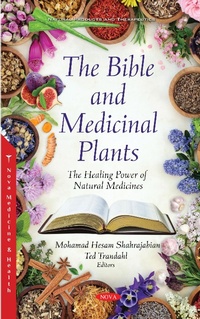
Bible and Medicinal Plants: The Healing Power of Natural Medicines
Erschienen am 9. März 2021
197 Seiten
978-1-5361-9431-9 (ISBN)
Beschreibung
Religious books, especially the Bible, include many plants and herbs which have been used as traditional medicines for thousands of years. Aloe vera (John 19:39-40), Anise (Matthew 23:23), Balm (Ezeiel 27:17, Genesis 37:25, Genesis 43:11, Genesis 37:25, Jeremiah 8:22, Jeremiah 46:11, Jeremiah 51:8), Bitter herbs such as Coriander seed, Cilantro root, Wild lettuce, Wild endives (Exodus 2:8, Exodus 12:8), Cassia (Exodus 30:24, Ezekiel 27:19, Psalms 45:8), Cinnamon (Exodus 30:23), Cumin (Isaiah 28:25), Fig (Judges 9:10-11, Numbers 13:21-23, Numbers 20:5, Deuteronomy 8:7-9, 1 Samuel 30:11-12, Nehemiah 13:15, 1 Samuel 25:18, 2 Samuel 16:1, 1 Chronicles 12:40, 2 Kings 20:107, Genesis 3:6-7, Isaiah 38:21, and etc.), Flax (Leviticus 6:10), Frankincense (Matthew 2:10-11, Exodus 30:24), Garlic (Numbers 11:5-6), Hyssop (1 King 4:33, Psalm 51:7), Mandrake (Genesis 30:14, Song of Songs 7:13), Milk thistle (Genesis 3:18), Mint (Luke 11:41, Matthew 23:23), Mustard seed (Luke 17:6), Myrrh (Esther 2:12, Genesis 43:11, Proverbs 7:17), Nard (Song 1:12, Song 4:13, Song 4:14, Mark 14:3, John 12:3), Pistachio nuts and Almond (Genesis 43:11), Saffron (Song of Solomon 4:14), and Turmeric (Song of Solomon 4:14-15) are important medicinal plants which have been mentioned in the Bible. In recent years, the use of herbal medicines and their natural products has increased rapidly across the world. The aim of this manuscript is to review the notable health benefits and pharmaceutical advantages of medicinal plants and herbs which have been mentioned in the Bible.
Weitere Details
Weitere Ausgaben
Inhalt
- Intro
- Contents
- Preface
- Chapter 1
- Introduction: Medicinal Plants in Bible
- Chapter 2
- Aloe (Aloe vera)
- Pharmaceutical Benefits of Aloe
- Chapter 3
- Anise (Pimpinella anisum)
- Pharmaceutical Benefits of Anise
- Chapter 4
- Balm of Gilead or Balsam
- Chapter 5
- Cassia (Cinnamomum cassia)
- Pharmaceutical Benefits of Cinnamomum cassia
- Chapter 6
- Cinnamon (Cinnamomum verum)
- Chemical Constituents
- Pharmaceutical Benefits
- Chapter 7
- Cumin (Cuminum cyminum L.)
- Chapter 8
- Hyssop (Hyssopus officinalis)
- Chapter 9
- Fig (Ficus carica L.)
- Fig Nutritional Composition and Chemical Constituents
- Medicinal Uses and Potential Health Benefits of Figs in Modern Pharmaceutical Science and Traditional Medicine
- Chapter 10
- Flax (Linum usitatissimum)
- Chapter 11
- Frankincense (Boswellia sacra) (Boswellia carteri)
- Chapter 12
- Garlic (Allium sativum)
- Chapter 13
- Mandrake (Mandragora officinarum)
- Chapter 14
- Milk Thistle (Silybum marianum)
- Chapter 15
- Myrrh (Commiphora spp.)
- Chapter 16
- Mint (Mentha spicata L.)
- Chapter 17
- Mustard Seed (Black Mustard) (Sinapis nigra) (Sinapis alba L.)
- Chapter 18
- Nard (Nardostachys jatamansi)
- Chapter 19
- Turmeric (Curcuma longa)
- Chapter 20
- Saffron (Corcus sativus L.)
- Chapter 21
- Bitter Herbs, Coriander Seeds (Coriandrum sativum L.)
- Chapter 22
- Wild Lettuce (Lactuca virosa L.)
- Chapter 23
- Wild Endive (Cichorium endivia L.)
- Chapter 24
- Pistachio (Pistacia vera L.)
- Chapter 25
- Almond
- References
- About the Authors
- Index
- Blank Page
