

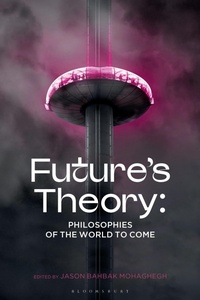
Future's Theory
Philosophies of the World to Come
1. Auflage
Erschienen am 22. Januar 2026
416 Seiten
978-1-350-42105-9 (ISBN)
Beschreibung
What are the most radical transformations on the horizon of our world? And how are they irreversibly altering our experience of time, movement, language, mind, body, virtuality, power, and nature?
Cloaked in relative obscurity, future eras compel the invention of new techniques of visionary speculation. Future's Theory provides many, shining a light on the infinity of possible futurities from multiple astonishing perspectives. Exploring how we imagine new ages in the 21st century, the book examines how alternate future dimensions will affect everything from our culture to our politics, our bodies to our minds.
Filled with original work from over 20 prominent thinkers in the domains of literature, philosophy, visual art, architecture, design, media studies, ecology, anthropology, it features immersive entries on phenomena including artificial intelligence, virtual reality, mass migration, speed, climate, geo-engineering, and automation. Contemplating the variables that will expand and distort these fields, Future's Theory opens up a new atmosphere for thought itself in the epochs to come.
Cloaked in relative obscurity, future eras compel the invention of new techniques of visionary speculation. Future's Theory provides many, shining a light on the infinity of possible futurities from multiple astonishing perspectives. Exploring how we imagine new ages in the 21st century, the book examines how alternate future dimensions will affect everything from our culture to our politics, our bodies to our minds.
Filled with original work from over 20 prominent thinkers in the domains of literature, philosophy, visual art, architecture, design, media studies, ecology, anthropology, it features immersive entries on phenomena including artificial intelligence, virtual reality, mass migration, speed, climate, geo-engineering, and automation. Contemplating the variables that will expand and distort these fields, Future's Theory opens up a new atmosphere for thought itself in the epochs to come.
Weitere Details
Reihe
Auflage
1. Auflage
Sprache
Englisch
Verlagsort
London
Großbritannien
Verlagsgruppe
Bloomsbury Publishing PLC
Zielgruppe
Für höhere Schule und Studium
ISBN-13
978-1-350-42105-9 (9781350421059)
Copyright in bibliographic data and cover images is held by Nielsen Book Services Limited or by the publishers or by their respective licensors: all rights reserved.
Schweitzer Klassifikation
Weitere Ausgaben
Person
Jason B. Mohaghegh is Associate Professor of Comparative Literature at Babson College, USA. He is the director of the Future Studies Program, and of Transdisciplinary Studies for the New Centre for Research & Practice. He is co-editor of the Suspensions book series (Bloomsbury), and founder of the 5th Disappearance Lab.
Inhalt
Prologue, Jason Mohaghegh (Babson College, USA)
Part I. Seven Prophecies of the Future
1.Chimera, Nora Khan (Rhode Island School of Design,USA) and Jason Mohaghegh (Babson College, USA)
2.Cipher, Amy Ireland (The University of New South Wales, Australia) and Edward Keller (The New School University, USA)
3. Temple, Carla Leitao (Rensselaer Polytechnic University, USA) and Dan Mellamphy (Western University Canada, Canada)
4. Reign, Nandita Biswas Mellamphy (Western University Canada, Canada) and Arshin Adib-Moghaddam (SOAS University of London, UK)
5. Oracle, Anna Longo (California Institute of the Arts, USA) and Dejan Lukic (The Institute for Doctoral Studies in the Visual Arts, USA)
6. Surface, Laura Tripaldi (The University of Milan, Italy) and Michael Marder (University of the Basque Country, Spain)
7. Idol, Reza Negarestani (The New Centre for Research & Practice) and Jason Mohaghegh (Babson College, USA)
Part II: Future Labs
8. Future Time, Edward Keller (The New School University, USA)
9. Future Space, Jason Mohaghegh (Babson College, USA)
9. Future Movement, Una Chung (Sarah Lawrence College, USA), Will Scarlett
10. Future Body, Laura Tripaldi (The University of Milan, Italy), Dana Dawud
11. Future Image, Dejan Lukic (The Institute for Doctoral Studies in the Visual Arts, USA)
12. Future Illusion, Nora Khan (Rhode Island School of Design,USA)
13. Future Cosmos, Damon Quasravie, Zahra Bonari
14. Future Thought, Dan Mellamphy (Western University Canada, Canada)
15. Future Power, Arshin Adib-Moghaddam (SOAS University of London, UK)
16. Future Machine, Nandita Biswas-Mellamphy (Western University Canada)
17. Future Virtual, Ali Eslami
18. Future Cruelty, Reza Negarestani (The New Centre for Research & Practice, USA)
19. Future Appearance, Ghazal Zamani and Jason Mohaghegh
20. Future Mysticism, Andrea Cetrulo
21. Future Prophecy, Anna Longo (California Institute of the Arts, USA)
22. Non-Future, Danna Al-Banyan, Asad Khan, Sahej Rahal
23. Future X, Federico Nieto, Sahej Rahal, Anna Engelhardt, Sasha Shestakova
Part III: Future Library
24.The Cosmological Archive, Jason Mohaghegh (Babson College, USA), Edward Keller (The New School University, USA), Carla Leitao (Rensselaer Polytechnic University, USA), Nora Khan (Rhode Island School of Design,USA), Sahej Rahal, Will Scarlett
Epilogue, Bogna Konior (NYU Shanghai, China)
Part I. Seven Prophecies of the Future
1.Chimera, Nora Khan (Rhode Island School of Design,USA) and Jason Mohaghegh (Babson College, USA)
2.Cipher, Amy Ireland (The University of New South Wales, Australia) and Edward Keller (The New School University, USA)
3. Temple, Carla Leitao (Rensselaer Polytechnic University, USA) and Dan Mellamphy (Western University Canada, Canada)
4. Reign, Nandita Biswas Mellamphy (Western University Canada, Canada) and Arshin Adib-Moghaddam (SOAS University of London, UK)
5. Oracle, Anna Longo (California Institute of the Arts, USA) and Dejan Lukic (The Institute for Doctoral Studies in the Visual Arts, USA)
6. Surface, Laura Tripaldi (The University of Milan, Italy) and Michael Marder (University of the Basque Country, Spain)
7. Idol, Reza Negarestani (The New Centre for Research & Practice) and Jason Mohaghegh (Babson College, USA)
Part II: Future Labs
8. Future Time, Edward Keller (The New School University, USA)
9. Future Space, Jason Mohaghegh (Babson College, USA)
9. Future Movement, Una Chung (Sarah Lawrence College, USA), Will Scarlett
10. Future Body, Laura Tripaldi (The University of Milan, Italy), Dana Dawud
11. Future Image, Dejan Lukic (The Institute for Doctoral Studies in the Visual Arts, USA)
12. Future Illusion, Nora Khan (Rhode Island School of Design,USA)
13. Future Cosmos, Damon Quasravie, Zahra Bonari
14. Future Thought, Dan Mellamphy (Western University Canada, Canada)
15. Future Power, Arshin Adib-Moghaddam (SOAS University of London, UK)
16. Future Machine, Nandita Biswas-Mellamphy (Western University Canada)
17. Future Virtual, Ali Eslami
18. Future Cruelty, Reza Negarestani (The New Centre for Research & Practice, USA)
19. Future Appearance, Ghazal Zamani and Jason Mohaghegh
20. Future Mysticism, Andrea Cetrulo
21. Future Prophecy, Anna Longo (California Institute of the Arts, USA)
22. Non-Future, Danna Al-Banyan, Asad Khan, Sahej Rahal
23. Future X, Federico Nieto, Sahej Rahal, Anna Engelhardt, Sasha Shestakova
Part III: Future Library
24.The Cosmological Archive, Jason Mohaghegh (Babson College, USA), Edward Keller (The New School University, USA), Carla Leitao (Rensselaer Polytechnic University, USA), Nora Khan (Rhode Island School of Design,USA), Sahej Rahal, Will Scarlett
Epilogue, Bogna Konior (NYU Shanghai, China)
