

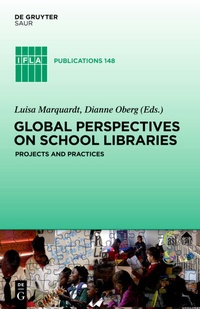
Global Perspectives on School Libraries
Projects and Practices
1. Auflage
Erschienen am 30. Juni 2011
VIII, 339 Seiten
978-3-11-023221-9 (ISBN)
Beschreibung

Education for all can be more effectively provided through the services, programmes and activities of the school library tailored to the needs of the school community. This inspiring book can foster the school librarian's professional development for school library enhancement. It aims at providing amazing topics, methodologies, approaches and experiences. It presents projects and practices addressing the challenges of supporting basic literacy, including contexts where many children cannot or do not access formal instruction on a regular basis. These may inspire education authorities, public librarians and other cultural professionals who work closely with schools and communities.
Weitere Details
Weitere Ausgaben
Andere Ausgaben
Buch
06/2011
De Gruyter Saur
199,95 €
Artikel ist vergriffen; siehe andere Ausgabe
Buch
06/2011
1. Auflage
De Gruyter Saur
129,95 €
Versand in 7-9 Tagen
Personen
Luisa Marquardt, Education Faculty, University "Roma Tre", Rome, Italy; Dianne Oberg, University of Alberta, Alberta, Canada.
Inhalt
1 - Table of Contents [Seite 6]
2 - Foreword Messages from the Sponsoring Associations [Seite 10]
3 - Introduction School Libraries: Joint Efforts for a Key Role [Seite 12]
4 - Part 1 School Library Education and Implementation Models [Seite 18]
4.1 - A Self-Evaluation Model for School Libraries in Portugal [Seite 20]
4.2 - Building a Model School Library at Madrasah Tsanawiyah Negeri Piyungan in Yogyakarta, Indonesia [Seite 31]
4.3 - Developing Understanding of Information Literacy within the Croatian School Environment [Seite 42]
4.4 - Personal Learning Networks and Participatory Culture: Getting Teacher-Librarians Connected in the 21st Century [Seite 53]
4.5 - A New Operational Culture: The Case of the School Library in the Information Society Project in the City of Oulu, Finland [Seite 66]
4.6 - Assessing School Library Learning Environments [Seite 80]
5 - Part 2 Promoting Literacies through the School Library [Seite 92]
5.1 - Reading Opens all Doors: An Integrated Reading Program at Genazzano FCJ College, Australia [Seite 94]
5.2 - Fun with Readathon: Helping Namibian Children to Love Books [Seite 105]
5.3 - Developing Information Literacy through Primary School Libraries in Nigeria [Seite 117]
5.4 - GiggleIT and Global Citizenship: School Libraries, Literacy and Laughter [Seite 127]
5.5 - 'Body in the Library': A Cross-Curriculum Transliteracy Project [Seite 139]
5.6 - HIV/AIDS Corners in Botswana Schools and Libraries [Seite 149]
6 - Part 3 School Libraries for All [Seite 160]
6.1 - School Libraries and Human Rights [Seite 162]
6.2 - Camels, Burros, Elephants, Boats and Trucks: Bringing Books and Literacy to Children in Remote Communities [Seite 168]
6.3 - Botswana's Book Box Service to Primary Schools [Seite 177]
6.4 - Participation of Croatian School Librarians in Teaching Children with Intellectual Disabilities [Seite 186]
6.5 - Lubuto Library Project: Bringing Knowledge to Zambian Children [Seite 197]
7 - Part 4 Expanding the Reach of School Libraries through Technology [Seite 208]
7.1 - Providing Web Based Online Reference Resources for Schools: An Alberta Success Story [Seite 210]
7.2 - The Belgrano Day School Model Project: Using Mobile Technology in a School Library in Argentina [Seite 221]
7.3 - Information Literacy on the Move: Mobile Learning with Netvibes, QR Codes and More [Seite 232]
7.4 - Web 2.0 and our School Library at the Hamilton and Alexandra College in Victoria, Australia [Seite 241]
8 - Part 5 Government Initiatives for School Library Development [Seite 252]
8.1 - The School Library as a Tool to Empower Literacy and Improve Schools: A Swedish Government Initiative [Seite 254]
8.2 - Focus on Reading Education and Information Literacy: The Norwegian School Library Program [Seite 263]
8.3 - Seize the Day! Developing School Libraries in Finland [Seite 273]
8.4 - A Long Walk to Significant School Libraries for All: Government Policies in Portugal, 1986-2010 [Seite 287]
9 - Part 6 Organizations for School Library Advocacy and Development [Seite 294]
9.1 - ENSIL: Advocacy of School Libraries in the Educational Context [Seite 296]
9.2 - SLA: Using Evidence to Move Forward in the UK [Seite 307]
9.3 - RuSLA: Policymaker for School Library Development [Seite 316]
9.4 - IFLA SLRC: Developing Policy and Guidelines [Seite 327]
9.5 - IASL: Sustaining the Vision for 40 Years [Seite 333]
10 - Afterword [Seite 342]
11 - Index [Seite 343]
2 - Foreword Messages from the Sponsoring Associations [Seite 10]
3 - Introduction School Libraries: Joint Efforts for a Key Role [Seite 12]
4 - Part 1 School Library Education and Implementation Models [Seite 18]
4.1 - A Self-Evaluation Model for School Libraries in Portugal [Seite 20]
4.2 - Building a Model School Library at Madrasah Tsanawiyah Negeri Piyungan in Yogyakarta, Indonesia [Seite 31]
4.3 - Developing Understanding of Information Literacy within the Croatian School Environment [Seite 42]
4.4 - Personal Learning Networks and Participatory Culture: Getting Teacher-Librarians Connected in the 21st Century [Seite 53]
4.5 - A New Operational Culture: The Case of the School Library in the Information Society Project in the City of Oulu, Finland [Seite 66]
4.6 - Assessing School Library Learning Environments [Seite 80]
5 - Part 2 Promoting Literacies through the School Library [Seite 92]
5.1 - Reading Opens all Doors: An Integrated Reading Program at Genazzano FCJ College, Australia [Seite 94]
5.2 - Fun with Readathon: Helping Namibian Children to Love Books [Seite 105]
5.3 - Developing Information Literacy through Primary School Libraries in Nigeria [Seite 117]
5.4 - GiggleIT and Global Citizenship: School Libraries, Literacy and Laughter [Seite 127]
5.5 - 'Body in the Library': A Cross-Curriculum Transliteracy Project [Seite 139]
5.6 - HIV/AIDS Corners in Botswana Schools and Libraries [Seite 149]
6 - Part 3 School Libraries for All [Seite 160]
6.1 - School Libraries and Human Rights [Seite 162]
6.2 - Camels, Burros, Elephants, Boats and Trucks: Bringing Books and Literacy to Children in Remote Communities [Seite 168]
6.3 - Botswana's Book Box Service to Primary Schools [Seite 177]
6.4 - Participation of Croatian School Librarians in Teaching Children with Intellectual Disabilities [Seite 186]
6.5 - Lubuto Library Project: Bringing Knowledge to Zambian Children [Seite 197]
7 - Part 4 Expanding the Reach of School Libraries through Technology [Seite 208]
7.1 - Providing Web Based Online Reference Resources for Schools: An Alberta Success Story [Seite 210]
7.2 - The Belgrano Day School Model Project: Using Mobile Technology in a School Library in Argentina [Seite 221]
7.3 - Information Literacy on the Move: Mobile Learning with Netvibes, QR Codes and More [Seite 232]
7.4 - Web 2.0 and our School Library at the Hamilton and Alexandra College in Victoria, Australia [Seite 241]
8 - Part 5 Government Initiatives for School Library Development [Seite 252]
8.1 - The School Library as a Tool to Empower Literacy and Improve Schools: A Swedish Government Initiative [Seite 254]
8.2 - Focus on Reading Education and Information Literacy: The Norwegian School Library Program [Seite 263]
8.3 - Seize the Day! Developing School Libraries in Finland [Seite 273]
8.4 - A Long Walk to Significant School Libraries for All: Government Policies in Portugal, 1986-2010 [Seite 287]
9 - Part 6 Organizations for School Library Advocacy and Development [Seite 294]
9.1 - ENSIL: Advocacy of School Libraries in the Educational Context [Seite 296]
9.2 - SLA: Using Evidence to Move Forward in the UK [Seite 307]
9.3 - RuSLA: Policymaker for School Library Development [Seite 316]
9.4 - IFLA SLRC: Developing Policy and Guidelines [Seite 327]
9.5 - IASL: Sustaining the Vision for 40 Years [Seite 333]
10 - Afterword [Seite 342]
11 - Index [Seite 343]
