

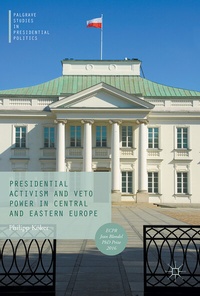
Presidential Activism and Veto Power in Central and Eastern Europe
Beschreibung

This book examines the use of presidential powers in Central and East Europe between 1990 and 2010. Focussing on presidential vetoes and the formation of governments, it maps patterns of presidential activism and its determinants across nine democracies. Thereby, it combines the analysis of original quantitative data on the use of presidential powers with in-depth case studies in an innovative mixed-methods framework. Based on regression analyses and unique insights from numerous elite interviews, the study shows strong support for the hitherto insufficiently tested assumption that popularly elected presidents are more active than their indirectly elected counterparts. As one of the first comprehensive comparative studies of presidential activism and veto power in Europe, this book will be a key resource not only for area specialists but also for scholars of presidential studies, comparative government, and executives.
Rezensionen / Stimmen
"This unique und impressive study constitutes a major contribution to the comparative analysis of presidents in parliamentary democracies. The original findings are based on superb theoretical reflections and a persuasive quantitative and qualitative empirical analysis that provides a compelling examination of why presidents' activities and their veto power differ across Central and Eastern European countries. The book is an inspiration for scholars of comparative government. It has set a new approach of excellence for those seeking to understand presidential activism in other democracies across the globe." (Ferdinand Müller-Rommel, Leuphana University Lüneburg, Germany)
Weitere Details
Weitere Ausgaben
Andere Ausgaben
Person
Philipp Köker is Senior Research Fellow in Politics and IR at Canterbury Christ Church University, UK. He specialises in the comparative study of presidents and political parties in modern democracies. He won the ECPR Jean Blondel PhD Prize 2016 for the best thesis in politics.
Inhalt
1. Introduction.- Part I: Patterns of Presidential Activism.- 2. Determinants of Presidential Activism.- 3. The Use of Presidential Vetoes in Central and Eastern Europe- Part II: Presidential Activism in Practice.- 4. Understanding presidential activism: Veto Use in Estonia and Poland.- 5. Understanding Presidential Activism: Veto Use in Hungary and Slovakia.- 6. Presidents in government formation and censure- Part III: Understanding Presidential Activism.- 7. Integrating Quantitative and Qualitative Findings on Presidential Activism.- 8. Conclusion: Studying Presidential Activism in Central and Eastern Europe and Beyond.
