

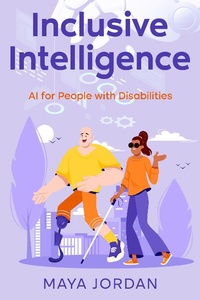
Inclusive Intelligence
AI for People with Disabilities
Erschienen am 1. August 2024
232 Seiten
978-1-4566-5426-9 (ISBN)
Beschreibung
Transform Lives with Cutting-Edge AI
Dive into a revolutionary exploration of how artificial intelligence is reshaping the lives of people with disabilities. This compelling book offers a profound journey, blending heartwarming real-life stories with cutting-edge technological advancements, designed to captivate and inspire.
Imagine a world where everyone is part of the digital revolution. With an eloquent introduction to various disabilities and the historical evolution of AI, this book sets a solid foundation. You will gain a deep understanding of the challenges faced by individuals with disabilities and the groundbreaking AI technologies that promise to overcome these barriers.
Discover the intersection of AI and disability. From intelligent assistive devices to AI-powered personal aides, delve into fascinating case studies and examples that illustrate how AI is transforming everyday lives. Witness the advancement of AI tools designed for visual, hearing, mobility, and cognitive impairments, offering unparalleled independence and accessibility. Uncover how smart assistants are revolutionizing daily living, enhancing communication, and creating personalized learning environments for diverse needs.
Explore the ethical dilemmas and regulations shaping the future. Learn about the legal and ethical considerations, privacy concerns, and the principles of inclusive design that guide the development of fair and accessible AI systems. This book highlights the collaborative efforts of governments, NGOs, and communities in fostering an inclusive AI ecosystem, ensuring that no one is left behind.
Filled with personal stories and international case studies, Inclusive Intelligence: AI for People with Disabilities paints a vivid picture of the current landscape and future potential of AI in enhancing accessibility. Whether you are an AI enthusiast, a disability advocate, or simply curious about the future of technology, this book is your gateway to a more inclusive world.
Take the first step towards understanding and embracing the transformative power of AI. Embark on a journey that promises to inform, engage, and inspire.
Dive into a revolutionary exploration of how artificial intelligence is reshaping the lives of people with disabilities. This compelling book offers a profound journey, blending heartwarming real-life stories with cutting-edge technological advancements, designed to captivate and inspire.
Imagine a world where everyone is part of the digital revolution. With an eloquent introduction to various disabilities and the historical evolution of AI, this book sets a solid foundation. You will gain a deep understanding of the challenges faced by individuals with disabilities and the groundbreaking AI technologies that promise to overcome these barriers.
Discover the intersection of AI and disability. From intelligent assistive devices to AI-powered personal aides, delve into fascinating case studies and examples that illustrate how AI is transforming everyday lives. Witness the advancement of AI tools designed for visual, hearing, mobility, and cognitive impairments, offering unparalleled independence and accessibility. Uncover how smart assistants are revolutionizing daily living, enhancing communication, and creating personalized learning environments for diverse needs.
Explore the ethical dilemmas and regulations shaping the future. Learn about the legal and ethical considerations, privacy concerns, and the principles of inclusive design that guide the development of fair and accessible AI systems. This book highlights the collaborative efforts of governments, NGOs, and communities in fostering an inclusive AI ecosystem, ensuring that no one is left behind.
Filled with personal stories and international case studies, Inclusive Intelligence: AI for People with Disabilities paints a vivid picture of the current landscape and future potential of AI in enhancing accessibility. Whether you are an AI enthusiast, a disability advocate, or simply curious about the future of technology, this book is your gateway to a more inclusive world.
Take the first step towards understanding and embracing the transformative power of AI. Embark on a journey that promises to inform, engage, and inspire.
Weitere Details
Inhalt
- Intro
- Title Page
- Copyright
- Front Matter
- Table of Contents
- Introduction
- Understanding Disabilities
- Overview of Different Disabilities
- Common Challenges and Barriers
- Introduction to Artificial Intelligence
- Basic Concepts of AI
- History and Evolution of AI
- The Intersection of AI and Disability
- The Role of AI in Accessibility
- Potential Benefits and Risks
- AI-Powered Assistive Technologies
- Overview of Assistive Tech
- Case Studies and Examples
- Smart Assistants and Personal Aides
- Virtual Assistants for Daily Living
- Enhancing Communication and Interaction
- Vision and Hearing Impairment Solutions
- AI for the Visually Impaired
- AI for the Hearing Impaired
- Mobility and Physical Disabilities
- AI in Mobility Solutions
- Robotic Assistance and Adaptability
- Cognitive Disabilities and AI
- AI Tools for Cognitive Support
- Improving Learning and Memory
- AI in Education
- Personalized Learning Environments
- Bridging Educational Gaps
- Healthcare Innovations
- AI in Medical Diagnostics
- AI for Personalized Healthcare
- Mental Health and Emotional Support
- AI for Mental Health Monitoring
- Emotional Wellbeing Tools
- Enhancing Workplace Accessibility
- AI in the Workplace
- Tools for Remote Work and Collaboration
- AI in Communication Aid
- Advanced Communication Devices
- Natural Language Processing Applications
- Legal and Ethical Considerations
- Privacy Concerns
- Fair and Inclusive AI Development
- Community and Social Inclusion
- AI for Community Engagement
- Enhancing Social Interaction
- User-Centered Design
- Principles of Inclusive Design
- Involving Users in Development
- Challenges and Barriers in Implementation
- Technical and Societal Challenges
- Addressing Accessibility in AI Systems
- Future Trends and Innovations
- Emerging AI Technologies
- Predicted Developments
- Global Perspectives
- Case Studies from Around the World
- International Standards and Practices
- Collaboration Between Stakeholders
- Partnerships in Development
- Roles of Government and NGOs
- Funding and Support for AI Projects
- Sources of Funding
- Grants and Incentives
- Accessibility Standards and Guidelines
- Current Standards
- Implementing Best Practices
- Case Studies of Successful AI Applications
- Detailed Examples
- Lessons Learned
- Building an Inclusive AI Ecosystem
- Strategies for Inclusivity
- Community Involvement
- Personal Stories and Testimonials
- Real-Life Experiences
- Impact of AI on Individual Lives
- Conclusion
- Appendix
- Glossary of Terms
- Additional Resources
