

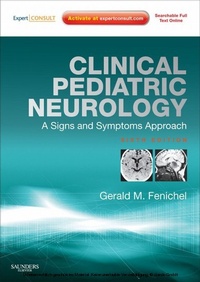
Clinical Pediatric Neurology
A Signs and Symptoms Approach: Expert Consult - Online and Print
6. Auflage
Erschienen am 1. Juli 2009
432 Seiten
978-1-4377-1974-1 (ISBN)
Beschreibung

Clinical Pediatric Neurology, 6th Edition, by Gerald M. Fenichel, MD, offers you highly practical assistance in diagnosing and managing the primary neurologic disorders of childhood. Simply look up the presenting symptoms, and you'll be guided step by step through evaluation and management! Thorough coverage for each neurological disease clearly defines age at onset, course of illness, clinical features, and treatment options. Differential diagnosis tables and treatment algorithms expedite clinical decision making. And now, you can also rapidly consult the book from any computer at expertconsult.com!
- Thorough coverage for each neurological disease clearly defines age at onset, course of illness, clinical features, and treatment options.
- Differential diagnosis tables and treatment algorithms lead you through the evaluation and management of even the most difficult neurodegenerative disorders, including those caused by inborn errors of metabolism.
- An organization by body system, together with a user-friendly, highly templated format, makes reference quick and easy.
- Online access at expertconsult.com allows you to rapidly and efficiently reference the complete contents of the book from any computer.
- Updated clinical treatment strategies throughout equip you with the most current drugs and dosages.
- New bulleted 'Key Points' summaries present crucial information at a glance.
- A new two-color interior design greatly enhances the readability of differential diagnosis and treatment algorithms.
Weitere Details
Weitere Ausgaben
Andere Ausgaben
Buch
07/2009
6. Auflage
Saunders
135,31 €
Artikel ist vergriffen; siehe Neuauflage
Inhalt
- Front Cover
- Half Title page
- Clinical Pediatric Neurology
- Copyright Page
- Dedication
- Preface
- Contents
- Chapter 1: Paroxysmal Disorders
- Approach to Paroxysmal Disorders
- Paroxysmal Disorders of Newborns
- Paroxysmal Disorders in Children Younger than 2 Years
- Paroxysmal Disorders of Childhood
- Managing Seizures
- References
- Chapter 2: Altered States of Consciousness
- Diagnostic Approach to Delirium
- Diagnostic Approach to Lethargy and Coma
- Hypoxia and Ischemia
- Brain Death
- Infectious Disorders
- Acute Disseminated Encephalomyelitis
- Postimmunization Encephalopathy
- Metabolic and Systemic Disorders
- Migraine
- Psychological Disorders
- Toxic Encephalopathies
- Trauma
- References
- Chapter 3: Headache
- Approach to Headache
- Migraine
- Cluster Headache
- Indomethacin-Responsive Headache
- Chronic Low-Grade Headaches
- Headaches Associated with Foods and Drugs
- Headache and Systemic Disease
- Pain From other Cranial Structures
- Seizure Headache
- References
- Chapter 4: Increased Intracranial Pressure
- Pathophysiology
- Symptoms and Signs
- Medical Treatment
- Hydrocephalus
- Brain Tumors
- Intracranial Arachnoid Cysts
- Intracranial Hemorrhage
- Infectious Disorders
- Idiopathic Intracranial Hypertension (Pseudotumor Cerebri)
- References
- Chapter 5: Psychomotor Retardation and Regression
- Developmental Delay
- Progressive Encephalopathies with Onset Before Age 2 Years
- Progressive Encephalopathies with Onset After Age 2
- References
- Chapter 6: The Hypotonic Infant
- Appearance of Hypotonia
- Approach to Diagnosis
- Cerebral Hypotonia
- Spinal Cord Disorders
- Motor Unit Disorders
- References
- Chapter 7: Flaccid Limb Weakness in Childhood
- Clinical Features of Neuromuscular Disease
- Progressive Proximal Weakness
- Progressive Distal Weakness
- Acute Generalized Weakness
- Periodic Paralyses
- References
- Chapter 8: Cramps, Muscle Stiffness, and Exercise Intolerance
- Abnormal Muscle Activity
- Decreased Muscle Energy
- Myopathic Stiffness and Cramps
- References
- Chapter 9: Sensory and Autonomic Disturbances
- Sensory Symptoms
- Painful Limb Syndromes
- Central Congenital Insensitivity (Indifference) to Pain
- Foramen Magnum Tumors
- Hereditary Neuropathies
- Spinal Disorders
- Thalamic Pain
- References
- Chapter 10: Ataxia
- Acute and Recurrent Ataxias
- Chronic or Progressive Ataxia
- References
- Chapter 11: Hemiplegia
- Hemiplegic Cerebral Palsy
- Acute Hemiplegia
- Chronic Progressive Hemiplegia
- References
- Chapter 12: Paraplegia and Quadriplegia
- Approach to Paraplegia
- Spinal Paraplegia and Quadriplegia
- References
- Chapter 13: Monoplegia
- Approach to Monoplegia
- Spinal Muscular Atrophies
- Plexopathies
- References
- Chapter 14: Movement Disorders
- Approach to the Patient
- Chorea and Athetosis
- Dystonia
- Mirror Movements
- Myoclonus
- Restless Legs Syndrome
- Stereotypies
- Tics and Tourette Syndrome
- Tremor
- References
- Chapter 15: Disorders of Ocular Motility
- Nonparalytic Strabismus
- Ophthalmoplegia
- Nystagmus
- Acquired Nystagmus
- References
- Chapter 16: Disorders of the Visual System
- Assessment of Visual Acuity
- Congenital Blindness
- Acute Monocular or Binocular Blindness
- Progressive Loss of Vision
- Disorders of the Pupil
- References
- Chapter 17: Lower Brainstem and Cranial Nerve Dysfunction
- Facial Weakness and Dysphagia
- Hearing Impairment and Deafness
- Vertigo
- References
- Chapter 18: Disorders of Cranial Volume and Shape
- Measuring Head Size
- Macrocephaly
- Abnormal Head Shape
- References
- Index
