

Pain
Beschreibung
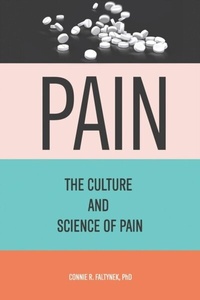
Step into the intriguing world of pain, an enduring global medical challenge that plagues countless lives and drives individuals to seek relief in doctor's offices worldwide. PAIN: The Culture and Science of Pain delves deep into the intricate web of history and various treatments of pain. Unveiling the limitations of current medications and alternative approaches, as well as the associated risks they carry, this captivating exploration uncovers a myriad of factors contributing to subpar pain relief. From cultural perspectives to ingrained biases, this book describes how they contribute to inadequate pain management. Drawing upon her vast expertise, the author masterfully navigates the complex terrain of pain, expertly bridging the gap between medical intricacies and cultural influences. The book provides profound insights into the pressing dilemma of inadequate pain relief, while also presenting promising glimpses of a future where pain may be finally conquered. PAIN offers both enlightenment and hope, transforming your perception of this ubiquitous human experience.
Weitere Details
Inhalt
- Intro
- Preface to the 2nd Edition
- Introduction
- Chapter 1. What is Pain? A Primer
- Types of Pain
- Mechanisms of Pain Transmission
- PAIN: It Is All in Your Head!
- Impact of Emotions and Thoughts on Pain Sensation
- Conclusion
- Chapter 2. Pain and Pain Relief Prior to the 19th Century
- Ancient Western World
- Early Christian Era
- Middle Ages
- 16th, 17th, and 18th Centuries
- Historical Views About Pain in the Muslim and Jewish Worlds
- Conclusion
- Chapter 3. Pain and Pain Relief in the 19th and 20th Centuries
- Early 19th Century
- Discovery of Anesthesia in the Mid-19th Century
- Conflict Between Religion and Advances in Medicine in the 19th Century
- Emergence of "Faith Cure" and the Christian Science Church
- Conflict Between Religious Views and Pain Relief Continued in the 20th Century
- Limited Pain Control in Infants and Children in the 19th and 20th Centuries
- Gender Bias in Pain Relief?
- Rise in Use of Opioids for Pain Relief
- Pain Relief in the Latter Part of the 20th Century
- Conclusion
- Chapter 4. Pain in Animals
- Historical Views Regarding Animal Pain
- Surgical and Post-Surgical Pain in Animals in the 20th Century
- Management of Painful Diseases and Conditions in Animals in the 20th Century
- Pain Control in Animals in the 21st Century
- Conclusion
- Chapter 5. Pain and Pain Relief in the 21st Century
- Management of Acute Pain in Hospitals
- Chronic Pain
- Pain Management in Infants and Children
- Diminished Emphasis on Pain Relief in the 21st Century
- Lack of Availability of Strong Pain-Relieving Medications Worldwide
- Racial Disparities in Pain Management in the United States
- Pain Can Not be Measured Objectively
- Reluctance of Patients to Use Pain-Relieving Medications
- Limited Pain Education Contributes to Unrelieved Pain
- Conclusion
- Chapter 6. How Good Are Current Medications in Relieving Pain?
- Medications for Non-Neuropathic Pain
- Medications for Neuropathic Pain
- Medications for Migraine
- Other Pain Medications
- Conclusion
- Chapter 7. Prescription Opioids: Essential Medications for Pain Relief or Evil Drugs?
- Short-Term Use of Opioids to Relieve Severe Acute Pain
- Opioids: Important Drugs for Acute Pain, But What About Chronic Pain?
- Current Opioid Crisis
- How Great Are the Risks of Taking Opioids for Pain Relief?
- "Opiophobia"
- Balancing Risks vs Pain-Relieving Benefits of Prescription Opioids
- The Criminalization Model and the War on Drugs
- Abuse-Deterrent Opioid Products
- Urgent Need to Expand Treatment for Those Addicted to Opioids
- Conclusion
- Chapter 8. Recent Research to Identify New Pain Medications
- Modern Drug Discovery
- Marijuana/Cannabis
- Capsaicin Receptor
- Sodium Channels
- Nerve Growth Factor
- Recent Opioid Research
- Other Ongoing Research
- Why So Little Progress?
- Conclusion
- Chapter 9. Alternative Methods to Manage Pain
- Spinal Manipulation and Exercise
- Acupuncture
- Electrical Stimulation
- Nerve Ablation
- Psychological Methods to Relieve Pain
- The Placebo Effect
- Conclusion
- Chapter 10: The Future of Pain Management
- Attempts to Reduce Opioid Abuse
- Use of Naloxone to Prevent Deaths from Opioid Overdoses
- Is There a "Magic Bullet" Waiting to be Discovered?
- Barriers to Use of Alternative Methods to Relieve Pain
- Efforts to Develop Objective Measures of Pain
- The Future of Brain Imaging in Pain Management
- Role of Genetics in Pain and Pain Relief
- Conclusion: There is Hope for the Future!
- Epilogue
- Acknowledgments
- Abbreviations
- References
