

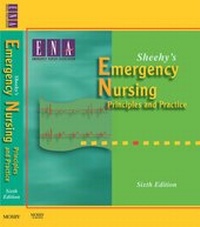
Sheehy's Emergency Nursing - E-Book
Principles and Practice
6. Auflage
Erschienen am 30. Juni 2009
768 Seiten
978-0-323-07402-5 (ISBN)
Beschreibung
Written by emergency nurses for emergency nurses, this comprehensive, evidence-based resource covers the issues and procedures that are often unique to the emergency department. New developments and changes in clinical practice are incorporated throughout. The user-friendly format features more than 350 high-quality illustrations and 150 tables that highlight essential concepts and offer quick access to vital information. Key coverage includes clinical fundamentals, treatment for trauma and medical-surgical emergencies, the foundations of emergency nursing practice, and special populations.
- 58 contributors offer valuable insights from a broad range of clinical positions in rural, suburban, and urban areas.
- High-quality radiographs and other diagnostic images help you learn to identify common conditions - especially head trauma, fractures, and dislocations.
- Logically organized, chapters are grouped into six sections for quick access to important content: Foundations of Emergency Nursing, Professional Practice, Clinical Foundations of Emergency Nursing, Major Trauma Emergencies, Medical and Surgical Emergencies, and Special Patient Populations.
- Tables and boxes highlight and summarize critical information for at-a-glance reference.
- A separate unit on special patient populations covers topics such as child abuse, elder abuse, intimate partner violence, sexual assault, substance abuse and behavioral/pediatric/obstetrical emergencies.
- Priority nursing diagnoses are highlighted in a quick-reference appendix to help you focus on the most serious problems.
- Five new chapters bring you the most reliable, up-to-date information on these key topics:
- Management of the Critical Care Patient in the Emergency Department
- Family Presence During Resuscitation
- Forensic Nursing
- Nuclear, Biological, and Chemical Agents of Mass Destruction
- Influenza: Seasonal, Avian, and Pandemic
- Expanded coverage of shock and sepsis provides essential information on pathophysiology and diagnosis, with valuable guidelines for managing these patients.
- A detailed discussion of various types of triage systems and triage acuity ratings examines valid and reliable methods for differentiating between patients who require immediate treatment and those who can wait.
- Additional coverage of behavioral health emergencies includes new information on agitation, substance abuse, and suicide prevention.
Weitere Details
Weitere Ausgaben
Inhalt
Unit I: Foundations of Emergency Nursing
1. Emergency Nursing: An Historical Perspective
2. Emergency Nursing Practice
3. Legal and Regulatory Constructs
4. Cultural Dimensions
Unit II: Professional Practice
5. Evidence-Based Practice
6. Research
Unit III: Clinical Foundations of Emergency Nursing
7. Triage
8. Patient Assessment
9. Air and Surface Patient Transport
10. Vascular Access and Fluid Replacement
11. Wound Management
12. Pain
13. Family Presence During Resuscitation - NEW!
14. Organ and Tissue Donation
15. Palliative and End of Life in the Emergency Department
16. Forensic Nursing in the Emergency Department - NEW!
17. Emergency Operations Preparedness
18. Nuclear, Biological, and Chemical Agents of Mass Destruction - NEW!
19. Management of the Critical Care Patient in the Emergency Department - NEW!
Unit IV: Major Trauma Emergencies
20. Epidemiology of Trauma
21. Head Trauma
22. Spinal Trauma
23. Thoracic Trauma
24. Abdominal and Genitourinary Trauma
25. Orthopedic and Neurovascular Trauma
26. Burns
27. Maxillofacial Trauma
28. Pediatric Trauma
29. Obstetric Trauma
Unit V: Medical and Surgical Emergencies
30. Respiratory Emergencies
31. Cardiovascular Emergencies
32. Shock Emergencies
33. Neurologic Emergencies
34. Gastrointestinal Emergencies
35. Renal and Genitourinary Emergencies
36. Fluids and Electrolytes
37. Endocrine Emergencies
38. Infections and Communicable Diseases
39. Influenza: Seasonal, Avian, and Pandemic - NEW!
40. Environmental Emergencies
41. Hematologic and Oncologic Emergencies
42. Toxicologic Emergencies
43. Gynecologic Emergencies
44. Dental, Ear, Nose, Throat, and Facial Emergencies
45. Ocular Emergencies
Unit VI: Special Patient Populations
46. Obstetric Emergencies
47. Pediatric Emergencies
48. Child Abuse and Neglect
49. Intimate Partner Violence
50. Elder Abuse and Neglect
51. Behavioral Health Emergencies
52. Substance Abuse
53. Sexual Assault
1. Emergency Nursing: An Historical Perspective
2. Emergency Nursing Practice
3. Legal and Regulatory Constructs
4. Cultural Dimensions
Unit II: Professional Practice
5. Evidence-Based Practice
6. Research
Unit III: Clinical Foundations of Emergency Nursing
7. Triage
8. Patient Assessment
9. Air and Surface Patient Transport
10. Vascular Access and Fluid Replacement
11. Wound Management
12. Pain
13. Family Presence During Resuscitation - NEW!
14. Organ and Tissue Donation
15. Palliative and End of Life in the Emergency Department
16. Forensic Nursing in the Emergency Department - NEW!
17. Emergency Operations Preparedness
18. Nuclear, Biological, and Chemical Agents of Mass Destruction - NEW!
19. Management of the Critical Care Patient in the Emergency Department - NEW!
Unit IV: Major Trauma Emergencies
20. Epidemiology of Trauma
21. Head Trauma
22. Spinal Trauma
23. Thoracic Trauma
24. Abdominal and Genitourinary Trauma
25. Orthopedic and Neurovascular Trauma
26. Burns
27. Maxillofacial Trauma
28. Pediatric Trauma
29. Obstetric Trauma
Unit V: Medical and Surgical Emergencies
30. Respiratory Emergencies
31. Cardiovascular Emergencies
32. Shock Emergencies
33. Neurologic Emergencies
34. Gastrointestinal Emergencies
35. Renal and Genitourinary Emergencies
36. Fluids and Electrolytes
37. Endocrine Emergencies
38. Infections and Communicable Diseases
39. Influenza: Seasonal, Avian, and Pandemic - NEW!
40. Environmental Emergencies
41. Hematologic and Oncologic Emergencies
42. Toxicologic Emergencies
43. Gynecologic Emergencies
44. Dental, Ear, Nose, Throat, and Facial Emergencies
45. Ocular Emergencies
Unit VI: Special Patient Populations
46. Obstetric Emergencies
47. Pediatric Emergencies
48. Child Abuse and Neglect
49. Intimate Partner Violence
50. Elder Abuse and Neglect
51. Behavioral Health Emergencies
52. Substance Abuse
53. Sexual Assault
