


Self-Regulated Learning, Cognition and Metacognition
Erschienen am 14. Februar 2020
240 Seiten
978-1-5361-7084-9 (ISBN)
Beschreibung

Self-regulated learning is one of the phenomena, which is seen as highly important for successful student academic performance. It is considered to be one of the key components for achieving academic success by the students, which has become topical in recent years in higher education. However, most studies on self-regulated learning have been prepared in the tradition more specifically focused at its mechanisms, types etc. Although self-regulated learning as a topic is far from being new, the studies, specifically placing self-regulated learning in the context of its cognitive and metacognitive aspects perspective, are rarer. The aim of this book is to precisely further explore this perspective, using theoretical and empirical data from various sources all over the globe. The contribution of this book deals with a broad range of issues concerning self-regulated learning, cognition and metacognition. However, this book deals not only with the theoretical research of the various aspects of self-regulated learning. Other intriguing issues have also been examined, such as why self-regulated learning is so effective, its linkage with cognitive psychology research; developmental trends of adolescents' learning strategies and academic motivation in relation to age and gender; self-regulatory climate in college math labs; metacognitive self-regulated models in math learning for students with special needs; cognitive and metacognitive strategy use in reading; students' goals, motivation and self-initiated actions for improving English and delivery skills for oral presentations; self-regulated cognitive and metacognitive learning strategy use and access to online learning activities to university students' academic success in a blended context etc. Qualitative and quantitative approaches to the research have produced better insight and deeper understanding of the students' goals and motives, as well as attitudes and differences in their academic achievements. Some of the chapters in this book present the empirical results of in-depth interviews, discussions and participant observation. I hope that my contribution in this book will advance our understanding of the variety in cognitive and metacognitive aspects of self-regulated learning; the differences between the attitudes and genders; the impact of cognition and metacognition on self-regulated learning of students and their academic excellence. I also hope that this book will contribute to further recognition of self-regulated learning as an interesting and important topic for further scientific research. I wish to thank to all those who have contributed to the preparation of this book. As editor, I invited scholars from different disciplines and countries to prepare their contributions in order to get the broadest possible overview of the current status of knowledge in the sphere of self-regulated learning, its connection with cognition and metacognition. I believe that the resulting variation has been properly reflected in this book. I thank all the authors not only for their contribution, but also for their accuracy during the preparation of the appropriate chapters.
Weitere Details
Weitere Ausgaben
Andere Ausgaben
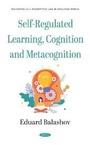
Eduard Balashov
Self-Regulated Learning, Cognition and Metacognition
Buch
03/2020
Nova Science Publishers Inc
210,85 €
Versand in 15-20 Tagen
Inhalt
- Intro
- Contents
- Preface
- Chapter 1
- Why Is Self-Regulated Learning So Effective? Its Links with Cognitive Psychology Research
- Abstract
- Introduction
- Learning Principles from Cognitive Psychology and Related Research
- Active Learning
- Targeted, Immediate Feedback
- Base of Sound Prior Knowledge
- Personally-Relevant Material
- Emotional Impact
- Multimodal Repetition
- Spaced Practice
- Frequent Testing/The Testing Effect
- Generating Answers/The Generation Effect
- Resolving Mental Impasses
- Desirable Difficulties
- Conclusion
- References
- Chapter 2
- Developmental Trends of Adolescents' Learning Strategies and Academic Motivation in Relation to Age and Gender
- Abstract
- Introduction
- Theoretical Background
- Self-Regulation, Cognitive and Metacognitive Strategies
- Gender and Age Differences of Learners' Self-Regulation Skills
- Methods
- The Design of the Study
- Instrument
- Procedure
- Sample
- Data Analysis
- Results
- Motivation
- Cognitive Strategies
- Metacognitive Strategies
- Resource Management
- Conclusion
- References
- Appendix A. Correlation Coefficients between the Dimensions of Motivation and Strategy Scales
- Appendix B. Statistically Significant Differences between Boys' and Girls' Strategy Use
- Chapter 3
- Psychological Peculiarities of Self-Regulated Learning of the First-Year and Graduate Students
- Abstract
- Introduction
- Analysis of Current Research
- Aims and Tasks
- Research Methods
- Results and Discussion
- Conclusion
- References
- Chapter 4
- Self-Regulatory Climate in the College Math Lab
- Abstract
- Introduction
- Literature Review
- Self-Regulated Learning
- Computer-Based Learning Environments
- Shaping Learning Environments
- Methods
- The Pre-Calculus Summer Course
- Participants
- Data Collection and Analysis
- Observation Data
- SRL Self-Reports
- Time on Task
- Results
- Differences between the Classroom and Computer-Based Environments
- Students' Self-Regulated Learning Strategies
- Motivation and Emotion Control
- Discussion
- Conclusion
- References
- Chapter 5
- A Dynamic Meta-Cognitive Self-Regulation Model in Mathematical Problem Solving for Students with Special Needs
- Abstract
- Introduction
- Meta-Cognitive Self-Regulation in Solving Mathematical Problems
- Model's Development
- Accommodations in DMC Model
- The MC Regulation Stages
- Self-Questions
- Learning Methods
- Explicit Training
- A Dynamic Applicative Tool - DMC Table
- Principles of Teaching and Evaluation
- Examples
- Example A
- Description of the Planning Process of "My Regulation Path"?
- Example B
- Description of the Planning Process of "My Regulation Path"
- Conclusion
- References
- Chapter 6
- Self-Regulated Metacognitive and Cognitive Strategy Use in L2 Reading among High-, Moderate-, and Low-Achieving Readers
- Abstract
- Introduction
- Literature Review
- Definition and Operationalization about Language Learner Strategy
- Components of Reading Strategy
- Types of Reading Strategies
- Empirical Studies on Reading Strategy Use in L1 Reading
- Empirical Studies on Reading Strategy in L2 Reading
- The Current Study
- Method
- Setting and Participants
- Instruments and Procedure
- The State Strategy Use Questionnaire (SSUQ)
- The Reading Test
- Data Analysis
- Results
- Discussion
- Conclusion
- References
- Chapter 7
- Tertiary-Level Students' Goals, Motivation and Self-Initiated Actions for Improving English and Delivery Skills for Oral Presentations: An Exploratory Qualitative Study in the Context of Self-Regulated Learning
- Abstract
- Introduction
- The Cyclical Model of Self-Regulated Learning
- Goal-Setting
- Motivation
- Self-Regulated Learning: Metacognition
- The Study
- Methods
- Questionnaire
- Participants
- The Questionnaire
- Procedure
- Data Analysis
- Inter-Coder Reliability
- Interviews
- Results
- Results from the Open-Ended Questionnaire Items
- Motivation for Improving English for Presentations
- Motivation for Improving Presentation Delivery Skills
- Goal-Setting
- Actual Self-Initiated Actions
- Comments from Teachers
- Recalled Teacher Comments and Goal-Setting
- Results from the Interviews
- Motivation: How Keen to Improve
- Goal-Setting: What Areas to Improve
- Actual Actions Taken: What to Do
- Teachers' Feedback
- Discussion
- RQ1: What Are the Reasons Behind Learners' Motivation (or Lack of Motivation) to Improve Their English and Delivery Skills for Oral Presentations?
- RQ2: Which Aspects of English and Delivery Skills Do Learners Want to Improve Most as Goals for Oral Presentations?
- RQ3: What Have Learners Done in the Past to Improve Their English and Delivery Skills for Oral Presentations?
- RQ4: To What Extent Does the Teachers' Feedback Recalled by the Learners Relate to The Goals They Set to Improve Their English and Delivery Skills for Oral Presentations?
- Overall Discussion
- Conclusion
- References
- Chapter 8
- Predictions of Self-Regulated Cognitive and Metacognitive Learning Strategy Use and Access to Online Learning Activities to University Students' Academic Success in a Blended Context
- Abstract
- Introduction
- Research in Self-Regulated Learning
- Application of Learning Analytics in Higher Education
- The Current Study
- Method
- Participants and the Learning Context
- Data Sources and Instruments
- The Self-Regulated Learning Strategies Questionnaire
- Frequency of Online Learning Activities Access
- Academic Success
- Data Collection Procedure
- Data Analysis
- Results
- Results of CFA and Reliability Analysis
- Results of Correlation Analysis
- Results of Hierarchical Regression Analysis
- Discussion and Conclusion
- References
- About the Editor
- Index
- Blank Page
