

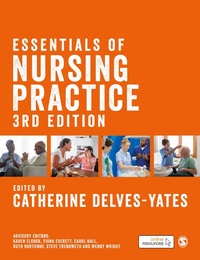
Essentials of Nursing Practice
3. Auflage
Erschienen am 25. März 2022
848 Seiten
978-1-5297-8678-1 (ISBN)
Beschreibung
Delivering knowledge, theory and skills for the NMC Future Nurse curriculum.
This definitive textbook introduces the core topics and essential information that every nursing student will need to master during their degree. Written by a diverse team of nursing educators from around the UK, with input from patients, practitioners and students, the book delivers a complete solution that challenges modern nursing practice and prepares students for the changing health needs of communities and individuals.
Key features:
Adopts a values-based and person-centred approach to nursing
Modelled on the NMC Standards providing full coverage of the core curriculum
Real-life 'voices' and experiences from patients, students and practitioners bring the subject to life
Includes active learning features that develop graduate nursing skills such as critical thinking, reflection and evidence-based practice
Lecturers and educators can also access a collection of exclusive teaching materials including presentation slides for each chapter, hundreds of multiple choice and short-form questions, guided case studies as well as recommendations for video-based activities with assignable questions.
This definitive textbook introduces the core topics and essential information that every nursing student will need to master during their degree. Written by a diverse team of nursing educators from around the UK, with input from patients, practitioners and students, the book delivers a complete solution that challenges modern nursing practice and prepares students for the changing health needs of communities and individuals.
Key features:
Adopts a values-based and person-centred approach to nursing
Modelled on the NMC Standards providing full coverage of the core curriculum
Real-life 'voices' and experiences from patients, students and practitioners bring the subject to life
Includes active learning features that develop graduate nursing skills such as critical thinking, reflection and evidence-based practice
Lecturers and educators can also access a collection of exclusive teaching materials including presentation slides for each chapter, hundreds of multiple choice and short-form questions, guided case studies as well as recommendations for video-based activities with assignable questions.
Rezensionen / Stimmen
I think this book is excellent - I can't wait to purchase a copy. It's everything a student nurse could need all in one place, a one-stop shop for orientation to the world of nursing.It seems to cover everything a student would want to know. The case studies are great and I was especially pleased to see learning disabilities so prominently, and family-centred case studies. The activities are excellent and I can imagine lecturers buying this book and adapting them for classroom discussion too. -- Lucy Kirkham This book has everything that we want to convey to our student nurses as a good foundation of knowledge on which to build throughout their course. It is a useful guide to our profession, the values, skills and knowledge we possess. The case studies are good to encourage critical thinking and the chapter summaries, activities, glossaries etc are great to bring each chapter to a close and for the student to reflect on what has been learnt. -- Sera Manning
Weitere Details
Auflage
Third Edition
Sprache
Englisch
Verlagsort
London
Großbritannien
Verlagsgruppe
Sage Publications Ltd (Digital)
Zielgruppe
Für höhere Schule und Studium
ISBN-13
978-1-5297-8678-1 (9781529786781)
Copyright in bibliographic data and cover images is held by Nielsen Book Services Limited or by the publishers or by their respective licensors: all rights reserved.
Schweitzer Klassifikation
Weitere Ausgaben
Person
Catherine Delves-Yates is an experienced nurse and a Lecturer at the School of Health Sciences, University of East Anglia, UK. She started her nursing career as a student at the Nightingale School of Nursing, London and has worked clinically in adult and paediatric critical care in the UK and has taught and nursed in America, Africa and Nepal. Her passion is to ensure all nurses have the knowledge, skills and professionalism to deliver effective compassionate care to each of their patients. Catherine is an Honorary Lecturer at the University of Buea and the Higher Institute of Applied Medical Sciences, Cameroon and an international advisor to the Patan Academy of Health Sciences, Nepal. Currently she is researching whether nursing students' views of health and illness alter during their pre-registration nursing programme.
Inhalt
Part A: Learning to be a Nurse
Chapter 1. What is Nursing and What is a Nurse? - Catherine Delves-Yates, Karen Elcock, Carol Hall, Ruth Northway and Steve Trenoweth
Chapter 2. Being a Nursing Student - Catherine Delves-Yates
Chapter 3. Reflection and Evidence-based Practice - Gabrielle Thorpe
Chapter 4. Academic Writing and Assessment - Gabrielle Thorpe
Part B: Professional Practice
Chapter 5. Ethics - Ruth Northway and Ian Beech
Chapter 6. Law - Graham Avery updated by Marc Cornock
Chapter 7. Accountability and Professionalism - Karen Elcock
Chapter 8. Resilience - E. Jane Blowers
Chapter 9. Becoming a Change Agent - Nickey Rooke and Jacqueline Phillips
Part C: Fundamentals of Nursing Care
Chapter 10. Delivering Effective Care - Fiona Everett and Wendy Wright
Chapter 11. Introduction to Nursing Theory - Carol Hall
Chapter 12. Value-based, Person-or family-centred Care - Catherine Delves-Yates
Chapter 13. Patient, Service User, Family and Carer Perspectives - Katrina Emerson and Ruth Northway
Chapter 14. Assessment, Planning, Implementation and Evaluation (Apie): The Process of Nursing - Rebeckah Hill
Chapter 15. Core Communication Skills - Karen Elcock and Kimberley Byrnes
Chapter 16. Communication and Interpersonal Skills in Challenging Circumstances - Steve Trenoweth and Sue Baron
Chapter 17. Ensuring Quality and Effective Management of Risk - Melanie Fisher and Margaret Scott updated by Karen Elcock
Chapter 18. Record Keeping and Documentation - Jill Barnes and Robert Jenkins updated by Claire Brockwell
Chapter 19. Clinical Decision-making - Gemma Hurley
Chapter 20. Safeguarding - Katie Mclaughlin
Chapter 21. Promoting Health - Charlene Lobo, Daryl Evans and Helen Walker updated by Coralie Roll
Part D: Skills for Nursing Care
Chapter 22. Infection Prevention and Control - Rose Gallagher
Chapter 23. Aseptic Technique and Specimen Collection - Rose Gallagher
Chapter 24. Clinical Measurement - Caroline Dobson and Trevor Simpson
Chapter 25. Pain Management - Ann Kettyle
Chapter 26. Skin Integrity - Alexandra Carlin
Chapter 27. Safe Movement of People - Michelle O'Reilly and David Best
Chapter 28. Emergency Care - Sara Morgan
Chapter 29. Medicines Administration - Carol Hall updated by Christina Roulston
Chapter 30. Assisting People with their Nutritional Needs - Kate Goodhand and Jane Ewen
Chapter 31. Assisting People with their Elimination Needs - Mairead Collie and David J. Hunter
Chapter 32. Assisting People with their Hygiene Needs - Catherine Delves-Yates
Chapter 33. Care after Death - Maria Parry
Part E: Context of Nursing Care
Chapter 34. Introduction to the Organisation and Settings of Care - Siobhan McCullough
Chapter 35. Introduction to Interprofessional Working - Hanneke Wiltjer
Chapter 36. Introduction to the Psychological Context of Nursing - Janet Ramjeet Updated by Catherine Delves-Yates
Chapter 37. Introduction to the Sociological Context of Nursing - Ruth Northway
Chapter 38. Introduction to Public Health - Charlene Lobo Updated by Coralie Roll
Chapter 39. Introduction to Health Policy and the Political Context of Nursing - Siobhan McCullough
Chapter 40. Introduction to the Global Context of Nursing - Catherine Delves-Yates
Chapter 1. What is Nursing and What is a Nurse? - Catherine Delves-Yates, Karen Elcock, Carol Hall, Ruth Northway and Steve Trenoweth
Chapter 2. Being a Nursing Student - Catherine Delves-Yates
Chapter 3. Reflection and Evidence-based Practice - Gabrielle Thorpe
Chapter 4. Academic Writing and Assessment - Gabrielle Thorpe
Part B: Professional Practice
Chapter 5. Ethics - Ruth Northway and Ian Beech
Chapter 6. Law - Graham Avery updated by Marc Cornock
Chapter 7. Accountability and Professionalism - Karen Elcock
Chapter 8. Resilience - E. Jane Blowers
Chapter 9. Becoming a Change Agent - Nickey Rooke and Jacqueline Phillips
Part C: Fundamentals of Nursing Care
Chapter 10. Delivering Effective Care - Fiona Everett and Wendy Wright
Chapter 11. Introduction to Nursing Theory - Carol Hall
Chapter 12. Value-based, Person-or family-centred Care - Catherine Delves-Yates
Chapter 13. Patient, Service User, Family and Carer Perspectives - Katrina Emerson and Ruth Northway
Chapter 14. Assessment, Planning, Implementation and Evaluation (Apie): The Process of Nursing - Rebeckah Hill
Chapter 15. Core Communication Skills - Karen Elcock and Kimberley Byrnes
Chapter 16. Communication and Interpersonal Skills in Challenging Circumstances - Steve Trenoweth and Sue Baron
Chapter 17. Ensuring Quality and Effective Management of Risk - Melanie Fisher and Margaret Scott updated by Karen Elcock
Chapter 18. Record Keeping and Documentation - Jill Barnes and Robert Jenkins updated by Claire Brockwell
Chapter 19. Clinical Decision-making - Gemma Hurley
Chapter 20. Safeguarding - Katie Mclaughlin
Chapter 21. Promoting Health - Charlene Lobo, Daryl Evans and Helen Walker updated by Coralie Roll
Part D: Skills for Nursing Care
Chapter 22. Infection Prevention and Control - Rose Gallagher
Chapter 23. Aseptic Technique and Specimen Collection - Rose Gallagher
Chapter 24. Clinical Measurement - Caroline Dobson and Trevor Simpson
Chapter 25. Pain Management - Ann Kettyle
Chapter 26. Skin Integrity - Alexandra Carlin
Chapter 27. Safe Movement of People - Michelle O'Reilly and David Best
Chapter 28. Emergency Care - Sara Morgan
Chapter 29. Medicines Administration - Carol Hall updated by Christina Roulston
Chapter 30. Assisting People with their Nutritional Needs - Kate Goodhand and Jane Ewen
Chapter 31. Assisting People with their Elimination Needs - Mairead Collie and David J. Hunter
Chapter 32. Assisting People with their Hygiene Needs - Catherine Delves-Yates
Chapter 33. Care after Death - Maria Parry
Part E: Context of Nursing Care
Chapter 34. Introduction to the Organisation and Settings of Care - Siobhan McCullough
Chapter 35. Introduction to Interprofessional Working - Hanneke Wiltjer
Chapter 36. Introduction to the Psychological Context of Nursing - Janet Ramjeet Updated by Catherine Delves-Yates
Chapter 37. Introduction to the Sociological Context of Nursing - Ruth Northway
Chapter 38. Introduction to Public Health - Charlene Lobo Updated by Coralie Roll
Chapter 39. Introduction to Health Policy and the Political Context of Nursing - Siobhan McCullough
Chapter 40. Introduction to the Global Context of Nursing - Catherine Delves-Yates
