

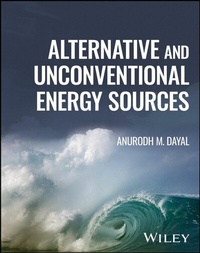
Alternative and Unconventional Energy Sources
1. Auflage
Erschienen am 19. Januar 2024
272 Seiten
978-1-119-50072-8 (ISBN)
Beschreibung
A timely volume for understanding our future energy landscape and for creating a bridge towards a decarbonized energy system
Alternative and Unconventional Energy Sources discusses various alternative energy sources and their present usage, including wind, solar, ocean, and geothermal energy, along with unconventional fossil energy sources, such as shale gas. The text covers the development and global adoption of each energy source, along with their environmental and economic impacts, resulting in a comprehensive and in-depth treatment of the subject. This approach provides the reader with a one-stop reference for each particular energy source, making the information accessible to all, regardless of discipline or current level of experience with each energy source.
Specific topics covered in Alternative and Unconventional Energy Sources include:
* The controversial perception of shale gas and its future potential as an energy source
* Technologies to reduce harmful emissions of CO2 and other waste gases and their potential to cause less global warming
* Downsides of commonly accepted alternative energy sources, such as the disposal of nuclear waste and land requirements for solar panels
* How undeveloped countries can make use of local energy sources to become more efficient and competitive
Alternative and Unconventional Energy Sources is a highly accessible and useful resource for geographers, geologists, petroleum engineers, renewable energy specialists, and policy makers who wish to understand the current state of global energy production and where the industry may turn in the coming years.
Alternative and Unconventional Energy Sources discusses various alternative energy sources and their present usage, including wind, solar, ocean, and geothermal energy, along with unconventional fossil energy sources, such as shale gas. The text covers the development and global adoption of each energy source, along with their environmental and economic impacts, resulting in a comprehensive and in-depth treatment of the subject. This approach provides the reader with a one-stop reference for each particular energy source, making the information accessible to all, regardless of discipline or current level of experience with each energy source.
Specific topics covered in Alternative and Unconventional Energy Sources include:
* The controversial perception of shale gas and its future potential as an energy source
* Technologies to reduce harmful emissions of CO2 and other waste gases and their potential to cause less global warming
* Downsides of commonly accepted alternative energy sources, such as the disposal of nuclear waste and land requirements for solar panels
* How undeveloped countries can make use of local energy sources to become more efficient and competitive
Alternative and Unconventional Energy Sources is a highly accessible and useful resource for geographers, geologists, petroleum engineers, renewable energy specialists, and policy makers who wish to understand the current state of global energy production and where the industry may turn in the coming years.
Weitere Details
Weitere Ausgaben
Person
Anurodh Dayal, Emeritus Scientist, CSIR, Hyderabad, India.
