

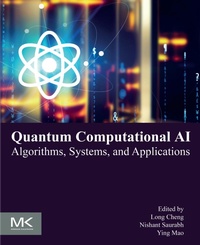
Quantum Computational AI
Algorithms, Systems, and Applications
Erschienen am 5. August 2025
250 Seiten
978-0-443-30260-2 (ISBN)
Beschreibung
Quantum Computational AI: Algorithms, Systems, and Applications is an emerging field that bridges quantum computing and artificial intelligence. With rapid advancements in both areas, this book serves as a vital resource, capturing the latest theories, algorithms, and practical applications at their intersection. It aims to be both informative and accessible, making it perfect for academics, researchers, industry professionals, and students eager to lead in these technologies. The book explores quantum algorithms, system design, and demonstrates real-world applications across various sectors. It provides a comprehensive understanding of how quantum principles can advance AI, revealing unprecedented possibilities and benefits.
- Consolidates key concepts of quantum computing and AI into one accessible resource, bridging the existing knowledge gap
- Provides the latest insights and developments in Quantum Computational AI, offering readers up-to-date information
- Offers practical guidance on applying quantum principles in AI across various real-world sectors, bridging theory and practice
- Aids in skill development for designing, analyzing, and implementing quantum algorithms and systems in AI applications
- Stimulates innovative thinking by providing a thorough understanding of the interdisciplinary field of Quantum Computational AI
Weitere Details
Weitere Ausgaben
Inhalt
1. Introduction to Quantum Computational AI: Overview of quantum computing and artificial intelligence, setting the stage for their intersection2. Fundamental Quantum Algorithms: Exploration of basic quantum algorithms crucial for quantum-enhanced AI applications3. Quantum Machine Learning Algorithms: Delve into quantum machine learning algorithms and their superiority over classical machine learning algorithms4. Quantum Neural Networks (QNNs): Exploration of Quantum Neural Networks, their structure, and advantages over classical neural networks5. Architecture of Quantum Systems: Discussion on the architectural design of quantum systems and their relevance in AI applications6. Quantum Programming Languages: Overview of quantum programming languages and their role in developing quantum AI applications7. Quantum Hardware for AI: Examination of quantum hardware technologies and their impact on the performance of AI applications8. Error Correction in Quantum Computing: Discussing the challenges and solutions associated with error correction in quantum computing for reliable AI applications9. Scalability of Quantum Systems: Investigating the scalability challenges and solutions in integrating quantum systems with AI applications10. Quantum Cryptography and Security: Exploration of the role of quantum cryptography in securing AI applications and data11. Real-world Applications of Quantum Computational AI: Case studies showcasing the application of Quantum Computational AI across various sectors like finance, healthcare, and cybersecurity12. Challenges and Future Directions: Discussion on the challenges faced in Quantum Computational AI and prospective future developments
