

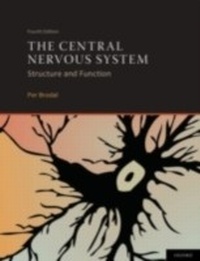
Central Nervous System
1. Auflage
Erschienen am 1. März 2010
606 Seiten
978-0-19-970104-9 (ISBN)
Beschreibung

A textbook of neuroscience for undergraduate medical students providing a concise yet critical treatment of structure - function relationships as a basis for clinical thinking. It aims at conveying an understanding of how the nervous system performs it tasks by using data from molecular biology to clinical neurology.
Weitere Details
Weitere Ausgaben
Nachauflagen
Per Brodal
The Central Nervous System
E-Book
04/2016
5. Auflage
OUP eBook
100,99 €
Als Download verfügbar
Andere Ausgaben
Buch
03/2010
4. Auflage
Oxford University Press Inc
92,59 €
Artikel ist vergriffen; siehe Neuauflage
Inhalt
- Intro
- Contents
- Preface
- Introduction
- A Bird's Eye View of the Nervous System
- Studying the Structure and Function of the Nervous System
- PART I: MAIN FEATURES OF STRUCTURE AND FUNCTION
- 1. Structure of the Neuron and Organization of Nervous Tissue
- Overview
- Neurons and Their Processes
- Coupling of Neurons: Pathways for Signals
- The Cytoskeleton and Axonal Transport
- 2. Glia
- Overview
- Types of Glial Cells
- Glial Cells and Homeostasis
- Insulation and Protection of Axons
- Microglia and Reactions of the CNS to Injury
- 3. Neuronal Excitability
- Overview
- Basis of Excitability
- The Action Potential
- Impulse Propagation
- How Nerve Cells Vary Their Messages
- 4. Synaptic Function
- Overview
- Neurotransmitter Handling at the Synapse
- Synaptic Potentials and Types of Synapses
- Synaptic Plasticity
- 5. Neurotransmitters and Their Receptors
- Overview
- General Aspects
- Specific Neurotransmitters
- Actions of Drugs on the Nervous System
- 6. Parts of the Nervous System
- Overview
- The Spinal Cord
- The Brain Stem
- The Cerebrum
- The Cerebellum
- 7. The Coverings of the Brain and the Ventricular System
- Overview
- The Meninges
- The Cerebral Ventricles and the Cerebrospinal Fluid
- 8. The Blood Supply of the CNS
- Overview
- Cerebral Microcirculation and the Blood-Brain Barrier
- Arterial System
- Venous System
- PART II: DEVELOPMENT, AGING, AND PLASTICITY
- 9. Prenatal and Postnatal Development
- Overview
- Prenatal Development
- Mechanisms for Establishment of Specific Connections
- The Role of the Environment in Development of the Nervous System
- 10. The Nervous System and Aging
- Overview
- Age-Related Changes in the Normal Brain and Their Consequences
- Neurodegenerative Diseases and Dementia
- 11. Restitution of Function after Brain Damage
- Overview
- Brain Injuries and Possible Reparative Processes
- Brain Processes Underlying Recovery of Function
- Restitution after Damage in Early Childhood
- PART III: SENSORY SYSTEMS
- 12. Sensory Receptors in General
- Overview
- Sensory Units and Their Receptive Fields
- Transduction: The Translation of Stimuli to Action Potentials
- Properties and Classification of Receptors
- Receptors and Subjective Sensory Experience
- 13. Peripheral Parts of the Somatosensory System
- Overview
- Exteroceptors: Cutaneous Sensation
- Proprioceptors: Deep Sensation
- The Sensory Fibers and the Dorsal Roots
- 14. Central Parts of the Somatosensory System
- Overview
- Central Somatosensory Pathways
- The Somatosensory Cortical Regions
- 15. Pain
- Overview
- Some Distinctive Features of Pain
- When the Pain System Gets Out of Control
- Central Control of Transmission from Nociceptors and Pain Sensation
- Placebo and Nocebo
- Modern Views on Pain and Pain Treatment
- 16. The Visual System
- Overview
- The Eyeball and the Refracting Media
- The Retina
- Organization of the Visual Pathways
- The Visual Cortex and the Final Processing of Visual Information
- 17. The Auditory System
- Overview
- The Cochlea
- The Auditory Pathways
- The Auditory Cortex
- 18. The Sense of Equilibrium
- Overview
- Structure and Function of the Vestibular Apparatus
- Connections of the Vestibular Nuclei
- Vestibular Reflexes: Control of Eye Movements and Bodily Posture
- Cortical Processing of Vestibular Signals
- 19. Olfaction and Taste
- Overview
- The Olfactory System
- Gustatory System (The Sense of Taste)
- PART IV: MOTOR SYSTEMS
- 20. Motor Systems and Movements in General
- Overview
- Motor and Other Systems Are Mutually Dependent
- Classification of Movements
- 21. The Peripheral Motor Neurons and Reflexes
- Overview
- Motoneurons and Muscles
- Reflexes
- Muscle Tone
- Injury of Peripheral Motor Neurons and Regeneration
- 22. The Motor Cortical Areas and Descending Pathways
- Overview
- The Pyramidal Tract (The Corticospinal Tract)
- Indirect Corticospinal Pathways
- Control of Automatic Movements
- Motor Cortical Areas and Control of Voluntary Movements
- Symptoms Caused by Interruption of Central Motor Pathways (Upper Motor Neurons)
- 23. The Basal Ganglia
- Overview
- Structure and Connections of the Basal Ganglia
- The Ventral Striatum
- Functions of the Basal Ganglia
- Diseases of the Basal Ganglia
- 24. The Cerebellum
- Overview
- Subdivisions and Afferent Connections of the Cerebellum
- The Cerebellar Cortex and the Mossy and Climbing Fibers
- Efferent Connections of the Cerebellum
- Cerebellar Functions and Symptoms in Disease
- 25. Control of Eye Movements
- Overview
- Movements of the Eyes and the Eye Muscles
- Brain Stem and Cerebellar Control of Eye Movements
- Cortical Control of Eye Movements
- PART V: THE BRAIN STEM AND THE CRANIAL NERVES
- 26. The Reticular Formation: Premotor Networks, Consciousness, and Sleep
- Overview
- Structure and Connections of the Reticular Formation
- Functions of the Reticular Formation
- Consciousness
- Sleep
- 27. The Cranial Nerves
- Overview
- General Organization of the Cranial Nerves
- The Hypoglossal Nerve
- The Accessory Nerve
- The Vagus Nerve
- The Glossopharyngeal Nerve
- The Vestibulocochlear Nerve
- The Facial and Intermediate Nerves
- The Trigeminal Nerve
- The Abducens, Trochlear, and Oculomotor Nerves
- PART VI: THE AUTONOMIC NERVOUS SYSTEM
- 28. Visceral Efferent Neurons: The Sympathetic and Parasympathetic Divisions
- Overview
- General Organization
- Peripheral Parts of the Sympathetic System
- Peripheral Parts of the Parasympathetic System
- The Enteric Nervous System
- Functional Aspects of the Autonomic Nervous System
- Neurotransmitters in the Autonomic Nervous System
- 29. Sensory Visceral Neurons and Visceral Reflexes
- Overview
- Visceral Receptors and Afferent Pathways
- Visceral Reflexes
- Visceral Pain
- 30. The Central Autonomic System: The Hypothalamus
- Overview
- Centers in the Brain Stem for Coordination of Behavior
- Structure and Connections of the Hypothalamus
- The Hypothalamus and the Endocrine System
- Functional Aspects
- The Hypothalamus and the Immune System
- The Hypothalamus and Mental Functions
- PART VII: LIMBIC STRUCTURES
- 31. The Amygdala, the Basal Forebrain, and Emotions
- Overview
- What Is the "Limbic System?"
- The Amygdala
- Some Aspects of Cortical Control of Autonomic Functions and Emotions
- Neuronal Groups in the Basal Parts of the Hemispheres: The Basal Forebrain
- 32. The Hippocampal Formation: Learning and Memory
- Overview
- The Hippocampal Formation
- Functional Aspects
- PART VIII: THE CEREBRAL CORTEX
- 33. The Cerebral Cortex: Intrinsic Organization and Connections
- Overview
- Structure of the Cerebral Cortex
- Connections of the Cerebral Cortex
- 34. Functions of the Neocortex
- Overview
- Association Areas
- Language Functions and "Speech Areas" of the Cerebral Cortex
- The Division of Tasks between the Hemispheres
- Sex Differences and the Cerebral Cortex
- Literature
- Index
- A
- B
- C
- D
- E
- F
- G
- H
- I
- J
- K
- L
- M
- N
- O
- P
- Q
- R
- S
- T
- U
- V
- W
- X
- Y
