

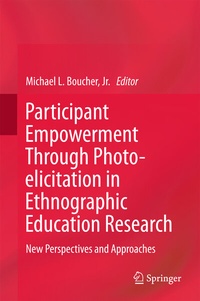
Participant Empowerment Through Photo-elicitation in Ethnographic Education Research
Beschreibung

This volume gives scholars and students a working knowledge of the procedures, challenges, and benefits of using photo methods in their ethnographic work through studies by researchers who are currently using it. The studies are both examples of exemplary scholarship and serve as tutorials on the procedures and methodological considerations of using this personal, even intimate, method. These eight authors were asked to re-open their carefully packed-away studies, disassemble the methods and the findings, and reflect on the contents. Like looking through old photo albums, these reflective essays allowed us to have new conversations with different audiences. Each chapter contains sections that penetratingly explain the research problem, describe why photo methods were used for the study, elucidate and reflect on the method, summarize the findings, and then examine participant empowerment through the method. This unique structure is specifically designed to be used in masters and doctoral classrooms and with researchers looking for new methods or to strengthen their existing work. The editors and authors believe that using photo-methods can empower participants to become part of the research process. Each author uses photo with the same goal; to create rigorous science that has meaning for the participants.
Weitere Details
Weitere Ausgaben
Andere Ausgaben
Person
Assistant Professor of Curriculum and Instruction at Texas State University. He received his Ph.D. from Indiana University and has published on White teachers who build relationships of solidarity with their African American students. He teaches instructional methods, research methods, developmental theory, and diversity classes to graduate students. Before becoming a teacher educator, he taught 9 th and 10 th graders to change the world at South High School in Minneapolis, Minnesota.
