

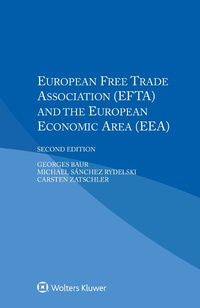
European Free Trade Association (EFTA) and the European Economic Area (EEA)
2. Auflage
Erschienen am 27. März 2018
190 Seiten
978-94-035-0011-9 (ISBN)
Beschreibung

Derived from the renowned multi-volume International Encyclopaedia of Laws, this practical analysis of the structure, competence, and management of European Free Trade Association (EFTA) and the European Economic Area (EEA) provides substantial and readily accessible information for lawyers, academics, and policymakers likely to have dealings with its activities and data. No other book gives such a clear, uncomplicated description of the organization's role, its rules and how they are applied, its place in the framework of international law, or its relations with other organizations.
The monograph proceeds logically from the organization's genesis and historical development to the structure of its membership, its various organs and their mandates, its role in intergovernmental cooperation, and its interaction with decisions taken at the national level. Its competence, its financial management, and the nature and applicability of its data and publications are fully described.
Systematic in presentation, this valuable time-saving resource offers the quickest, easiest way to acquire a sound understanding of the workings of European Free Trade Association (EFTA) and the European Economic Area (EEA) for all interested parties. Students and teachers of international law will find it especially valuable as an essential component of the rapidly growing and changing global legal milieu.
The monograph proceeds logically from the organization's genesis and historical development to the structure of its membership, its various organs and their mandates, its role in intergovernmental cooperation, and its interaction with decisions taken at the national level. Its competence, its financial management, and the nature and applicability of its data and publications are fully described.
Systematic in presentation, this valuable time-saving resource offers the quickest, easiest way to acquire a sound understanding of the workings of European Free Trade Association (EFTA) and the European Economic Area (EEA) for all interested parties. Students and teachers of international law will find it especially valuable as an essential component of the rapidly growing and changing global legal milieu.
Weitere Details
Weitere Ausgaben
Andere Ausgaben
Georges Baur | Michael Sanchez Rydelski | Carsten Zatschler
European Free Trade Association (EFTA) and the European Economic Area (EEA)
Buch
03/2018
2. Auflage
Kluwer Law International
89,14 €
Versand in 15-20 Tagen
Inhalt
- Intro
- The Authors
- List of Abbreviations
- General Introduction to EFTA and EEA
- Part I. The EFTA
- Chapter 1. Genesis and Historical Development
- Chapter 2. Institutional Framework
- §1. Membership and Territorial Application
- §2. Institutions
- I. The EFTA Council
- II. Organs, Committees and Other Bodies Assisting the EFTA Council
- A. Vaduz Committees Entrusted with the Updating of the EFTA Convention
- B. Pre-Vaduz Committees Entrusted with Specific Tasks
- C. Pre-Vaduz Committees with Horizontal Mandates
- D. Pre-Vaduz Committees with Technical Mandates
- III. The EFTA Secretariat
- Chapter 3. Activities
- §1. Intra-EFTA Activities
- I. Substantive Rules Applicable to Intra-EFTA Trade
- A. Free Movement of Goods
- B. TBT
- C. State Aid, Public Undertakings, Monopolies and Competition Rules
- D. Intellectual Property Rights
- E. Movement of Persons, Social Security and Mutual Recognition of Diplomas
- F. Investment and Establishment
- G. Trade in Services
- H. Land and Air Transport
- I. Public Procurement
- J. Economic and Monetary Policy Cooperation
- II. Procedure for Updating the EFTA Convention
- §2. Third-Country Relations
- I. Joint Declarations on Cooperation
- II. FTAs
- A. The Scope
- B. Institutional Set-Up under the FTAs
- C. Dispute Settlement under the FTAs
- III. Technical Cooperation
- Chapter 4. Enforcement Mechanisms
- §1. The Consultation Phase
- §2. The Arbitration Procedure
- I. The Arbitration Tribunal
- II. Implementation of Arbitral Awards
- III. Non-implementation of Arbitral Awards
- Chapter 5. Finance
- Chapter 6. Network with Other Organizations
- Part II. The EEA
- Chapter 1. Genesis and Historical Development of the EEA
- §1. The Luxembourg Process
- §2. The Delors Initiative
- I. The Acquis Communautaire
- II. Decision-Making
- III. The Surveillance Mechanism
- IV. The Judicial Architecture
- V. The Final Agreement
- Chapter 2. Characteristics of the EEA
- §1. A Special Relation with the EU Treaties
- I. The Extension of the Internal Market
- A. No Customs Union
- B. Limited Product Scope
- C. No Citizenship and Limited Movement of People
- D. No Economic or Monetary Union
- E. Limited Horizontal and Flanking Policies
- II. Homogeneity with EU Law
- A. The Cut-Off Date
- B. Rules 'Identical in Substance'
- C. Homogeneity and the SCA
- D. ECJ Rulings Relevant in an EEA Context
- E. The Duty of Homogeneous Interpretation in the EU Courts
- F. When Homogeneity Fails
- III. General Principles Inspired by the EU Treaties
- A. Direct Effect and Supremacy
- B. State Liability
- C. Fundamental Rights
- §2. An Agreement of Public International Law Nature
- I. The Structure of the EEA Agreement
- II. The Dynamic Development of the EEA
- A. Dynamic Development Within the Fields Already Covered by the EEA Agreement
- B. Dynamic Development Beyond the Fields Already Covered by the EEA Agreement
- C. Technical Updates of the EEA Agreement Through the EEA Enlargement Agreements
- Chapter 3. Institutional Set-Up
- §1. The EEA Council
- I. Functions of the EEA Council
- II. Organization and Composition
- §2. The EEA Joint Committee
- I. Functions
- A. Exchanges of Views and Information
- B. Decisions in the Cases Provided for by the EEA Agreement
- II. Organization and Composition
- A. Composition
- B. Voting Arrangements
- C. Procedural Aspects of the Joint Committee's Work
- §3. The EEA Joint Parliamentary Committee
- I. Functions
- II. Organization and Composition
- §4. EEA Consultative Committee
- I. Functions
- II. Organization and Composition
- §5. The Standing Committee of the EFTA States
- I. Functions
- A. Preparations of the Meetings of the EEA Institutions
- B. Administration and Management of the Rules of the EEA Agreement
- II. Organization and Composition
- A. General Aspects
- B. Voting Arrangements
- C. Subcommittees and Working Groups
- D. The ESA/Court Committee
- §6. The EFTA Surveillance Authority
- I. Tasks and Status
- II. The College
- III. The Organization
- §7. The EFTA Court
- I. Organizational Issues
- II. The Judges
- III. The Registrar and Other Officials and Servants of the Court
- IV. Privileges and Immunities
- V. Procedural Issues
- §8. EEA-EFTA Forum of Elected Representatives from Local and Regional Authorities
- §9. Financial Mechanisms (Cohesion Funds)
- Chapter 4. The Decision-Making Process in the EEA
- §1. Participation in Decision-Shaping
- I. Participation in the Policy Development Phase
- II. Participation in the Policy Decision Phase
- III. Participation in the Policy Implementation Phase
- A. Involvement in the Preparation of Delegated Acts
- B. Involvement in the Adoption of Implementing Acts
- 1. Involvement in the Committees
- 2. Involvement in the Appeal Committees
- IV. Assessment of the EFTA States' Involvement in the EU's Policy Cycle
- §2. Cooperation with a View to Ensuring the Good Functioning of the EEA Agreement
- §3. Decision-Making in the EEA
- I. Scope of the Simplified Procedure for Amendments of the EEA Agreement
- II. Different Stages of the Procedure Leading to an Amendment of the EEA Agreement
- A. The Procedure Preceding the Discussions in the EEA Joint Committee
- 1. Procedures to Be Followed in the EFTA Pillar
- 2. Procedures to Be Followed in the EU Pillar
- B. The Procedure Within the EEA Joint Committee
- 1. Considerations Related to the Principle of Homogeneity
- 2. Overcoming a Lack of Agreement on Amending an Annex Between the Contracting Parties
- Chapter 5. The Enforcement Mechanism
- §1. Surveillance
- I. General Surveillance of the Transposition and Application of the EEA Agreement
- A. The Authority's Enforcement Policy
- B. The Role of Complainants
- C. Indirect Supervision via the EU Pillar
- II. Special Surveillance
- A. Public Procurement
- B. Competition
- 1. The Substantive EEA Competition Rules
- 2. Attribution of Competence and Cooperation Rules
- 3. The Procedural EEA Competition Rules
- C. State Aid
- 1. The Substantive EEA State Aid Provisions
- 2. The Procedural EEA State Aid Provisions
- 3. Cooperation Between the European Commission and the EFTA Surveillance Authority
- 4. State Aid to Fisheries
- D. The Role of EU Agencies and Other Bodies: Deviations from the Two-Pillar Structure
- §2. Judicial Control
- I. The Infringement Procedure
- II. Disputes Between EFTA States
- III. Advisory Opinions
- A. Differences with Article 267 TFEU
- B. Different Questions of Competence and Procedure
- IV. The Annulment Procedure
- A. Jurisdiction
- B. Procedural Questions
- C. Intensity in Control
- V. Actions for Failure to Act
- VI. Interim Measures
- Chapter 6. Cross-Pillar Dispute Settlement
- §1. Dispute Settlement Procedure under Article 111 of the EEA Agreement
- I. Parties to the Dispute
- II. Dispute Settlement Procedure
- A. Disputes Concerning the Interpretation of Provisions of the EEA Agreement Which Are Identical in Substance to the Corresponding Rules in EU Law
- B. Disputes Concerning the Scope or Duration of Safeguard Measures Taken in Accordance with Articles 111(3) or 112 of the EEA Agreement or the Proportionality of Rebalancing Measures Taken in Accordance with Article 114 of the EEA Agreement
- C. Other Disputes
- §2. Other Relevant Provisions of the EEA Agreement
- Chapter 7. Finance
- §1. Financing of EFTA Participation in EU Activities
- §2. Financing the EFTA Surveillance Authority and the EFTA Court
- Chapter 8. Publications and Addresses
- §1. Publications
- §2. Addresses
- Selected Bibliography
- Index
