

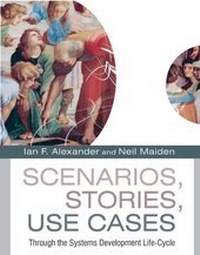
Scenarios, Stories, Use Cases
Through the Systems Development Life-Cycle
Erschienen am 11. April 2005
544 Seiten
978-0-470-86195-0 (ISBN)
Beschreibung

* Extending the scenario method beyond interface design, thisimportant book shows developers how to design more effectivesystems by soliciting, analyzing, and elaborating stories fromend-users
* Contributions from leading industry consultants andopinion-makers present a range of scenario techniques, from thelight, sketchy, and agile to the careful and systematic
* Includes real-world case studies from Philips, DaimlerChrysler,and Nokia, and covers systems ranging from custom software toembedded hardware-software systems
* Contributions from leading industry consultants andopinion-makers present a range of scenario techniques, from thelight, sketchy, and agile to the careful and systematic
* Includes real-world case studies from Philips, DaimlerChrysler,and Nokia, and covers systems ranging from custom software toembedded hardware-software systems
Weitere Details
Weitere Ausgaben
Andere Ausgaben
Buch
08/2004
Wiley
65,00 €
Versand in 10-20 Tagen
Personen
Ian F Alexander is an independent consultant researches withDaimlerChrysler (in Ulm, Germany) he also writes, teaches, andconsults on requirements, especially scenarios.. He is on thecommittee of the BCS Requirements Engineering Specialist Group andruns the Requirements chapter of the IEE Professional Network forSystems Engineers. He has written extensively on Requirements
Neil Maiden is a Reader and Head of the Centre forHuman-Computer Interface Design, in City University's School ofInformatics, London UK. He is co-founder and treasurer of theBritish Computer Society Requirements Engineering SpecialistGroup.
Neil Maiden is a Reader and Head of the Centre forHuman-Computer Interface Design, in City University's School ofInformatics, London UK. He is co-founder and treasurer of theBritish Computer Society Requirements Engineering SpecialistGroup.
Inhalt
Preface.
Biographies and Photographs.
Part I: Overview.
Chapter 1. Introduction: Scenarios in System Development.
Chapter 2. Scenario-Based Approaches.
Part II: Scenarios through the System Life-Cycle:Techniques.
Chapter 3. Scenarios in Requirements Discovery.
Chapter 4. Scenarios for Innovation: DevelopingScenario-Based User Needs Analysis (SUNA).
Chapter 5. Running a Use Case/Scenario Workshop.
Chapter 6. Alternative World Scenarios to Assess RequirementStability.
Chapter 7. Negative Scenarios and Misuse Cases.
Chapter 8. Authoring Use Cases.
Chapter 9. Systematic Scenario Walkthroughs withArt-Scene.
Chapter 10. The Role of Scenarios in Contextual Design: FromUser Observations to Work Redesign To Use Cases.
Chapter 11. A Scenario-Based Design Method Human-CentredInteraction Design.
Chapter 12. Use Case-Based Software Development.
Chapter 13. User Stories in Agile Software Development.
Chapter 14. Use Cases, Test Cases.
Chapter 15. Project Stories: Combining Life-Cycle Process Models(Andrew Farncombe).
Part III: Scenarios in Action: Case Studies.
Chapter 16. Story Use and Reuse in Automotive SystemsEngineering.
Chapter 17. Use and Misuse Cases in Railway Systems.
Chapter 18. Scenarios in Air Traffic Control (ATC).
Chapter 19. Scenarios and Quality Requirements inTelecommunications.
Chapter 20. Scenarios in Rail Rolling Stock with Reveal.
Chapter 21. Evaluating Scenarios by Simulation.
Part IV: The Way Ahead.
Chapter 22. Putting Scenarios into Practice.
Chapter 23. Teaching Computer Scientists to Make Use.
Chapter 24. What Scenarios (Still) Aren't Good For.
Chapter 25. The Future of Scenarios.
Appendix 1: Scenario-Based System Development Templates.
Appendix 2: Exercises.
Appendix 3: Answers to Exercises.
Glossary.
Index.
Biographies and Photographs.
Part I: Overview.
Chapter 1. Introduction: Scenarios in System Development.
Chapter 2. Scenario-Based Approaches.
Part II: Scenarios through the System Life-Cycle:Techniques.
Chapter 3. Scenarios in Requirements Discovery.
Chapter 4. Scenarios for Innovation: DevelopingScenario-Based User Needs Analysis (SUNA).
Chapter 5. Running a Use Case/Scenario Workshop.
Chapter 6. Alternative World Scenarios to Assess RequirementStability.
Chapter 7. Negative Scenarios and Misuse Cases.
Chapter 8. Authoring Use Cases.
Chapter 9. Systematic Scenario Walkthroughs withArt-Scene.
Chapter 10. The Role of Scenarios in Contextual Design: FromUser Observations to Work Redesign To Use Cases.
Chapter 11. A Scenario-Based Design Method Human-CentredInteraction Design.
Chapter 12. Use Case-Based Software Development.
Chapter 13. User Stories in Agile Software Development.
Chapter 14. Use Cases, Test Cases.
Chapter 15. Project Stories: Combining Life-Cycle Process Models(Andrew Farncombe).
Part III: Scenarios in Action: Case Studies.
Chapter 16. Story Use and Reuse in Automotive SystemsEngineering.
Chapter 17. Use and Misuse Cases in Railway Systems.
Chapter 18. Scenarios in Air Traffic Control (ATC).
Chapter 19. Scenarios and Quality Requirements inTelecommunications.
Chapter 20. Scenarios in Rail Rolling Stock with Reveal.
Chapter 21. Evaluating Scenarios by Simulation.
Part IV: The Way Ahead.
Chapter 22. Putting Scenarios into Practice.
Chapter 23. Teaching Computer Scientists to Make Use.
Chapter 24. What Scenarios (Still) Aren't Good For.
Chapter 25. The Future of Scenarios.
Appendix 1: Scenario-Based System Development Templates.
Appendix 2: Exercises.
Appendix 3: Answers to Exercises.
Glossary.
Index.
