

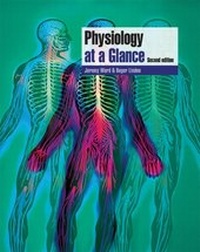
Physiology at a Glance
2. Auflage
Erschienen am 18. Juli 2008
Buch
Softcover
160 Seiten
978-1-4051-7723-8 (ISBN)
Beschreibung
Everything you need to know about Physiology.at a Glance!
Whether you are studying a physiology course as part of a degree in physiology or biomedical sciences, or are a medical student or junior doctor, this is the revision aid that you have been waiting for. Better than before, the second edition of Physiology at a Glance is in full colour with an MCQ self-assessment section, a new table of normal physiological values and updates in a number of key areas.
The text and diagrams work brilliantly throughout the whole book, which is helpfully set out around the body systems:
- Muscles
- Cardiovascular
- Respiratory
- Renal
- The gut and metabolism
- Endocrinology and reproduction
- The sensory and motor systems
Each section has its own introduction and covers all key components. That means from the muscle and its contraction to the control of metabolic fuels, and from renal filtration to the control of breathing, you have everything you need on physiology in one place. But don't just take our word for it.look inside and make the most of Physiology at a Glance.
Whether you are studying a physiology course as part of a degree in physiology or biomedical sciences, or are a medical student or junior doctor, this is the revision aid that you have been waiting for. Better than before, the second edition of Physiology at a Glance is in full colour with an MCQ self-assessment section, a new table of normal physiological values and updates in a number of key areas.
The text and diagrams work brilliantly throughout the whole book, which is helpfully set out around the body systems:
- Muscles
- Cardiovascular
- Respiratory
- Renal
- The gut and metabolism
- Endocrinology and reproduction
- The sensory and motor systems
Each section has its own introduction and covers all key components. That means from the muscle and its contraction to the control of metabolic fuels, and from renal filtration to the control of breathing, you have everything you need on physiology in one place. But don't just take our word for it.look inside and make the most of Physiology at a Glance.
Rezensionen / Stimmen
"Students studying physiology as a course or for a degree will find Physiology at a Glance, 2nd Edition to be a fine survey in full color with a new table of normal physiological values and updates in many different areas. Text and diagrams cover all key components of physiology and are key to any student's course of study, making it an important pick for any college-level library strong in health science." (Midwest Book Review)Weitere Details
Reihe
Auflage
2., Auflage
Sprache
Englisch
Verlagsort
Chicester
Großbritannien
Verlagsgruppe
John Wiley and Sons Ltd
Zielgruppe
Für Beruf und Forschung
Editions-Typ
Neue Ausgabe
Illustrationen
ill
Maße
Höhe: 27.7 cm
Breite: 22 cm
Dicke: 8 mm
Gewicht
528 gr
ISBN-13
978-1-4051-7723-8 (9781405177238)
Schweitzer Klassifikation
Weitere Ausgaben
Nachauflagen
Jeremy P. T. Ward | Roger W. A. Linden
Physiology at a Glance
Buch
04/2013
3. Auflage
Wiley
34,90 €
Artikel ist vergriffen; siehe Neuauflage
Personen
Jeremy Ward is Professor of Respiratory Cell Physiology in the School of Medicine at King's College London.
Roger Linden is Professor of Craniofacial Biology and Head of the Academic Department of Physiology in the School of Biomedical Sciences at King's College London.
Roger Linden is Professor of Craniofacial Biology and Head of the Academic Department of Physiology in the School of Biomedical Sciences at King's College London.
Inhalt
Preface.
List of abbreviations.
Part 1 Introduction.
1 Physiology and the genome.
2 Homeostasis and the physiology of proteins.
3 Body water compartments and physiological fluids.
4 Cells, membranes and organelles.
5 Membrane transport proteins and ion channels.
6 Biological electricity.
7 Conduction of action potentials.
8 The autonomic nervous system.
9 Blood.
10 Inflammation and immunity.
11 Principles of diffusion and flow.
Part 2 Muscles.
12 Skeletal muscle and its contraction.
13 Neuromuscular junction and whole muscle contraction.
14 Motor units, recruitment and summation.
15 Cardiac and smooth muscle.
Part 3 The cardiovascular system.
16 Introduction to the cardiovascular system.
17 The heart.
18 The cardiac cycle.
19 Initiation of the heart beat and excitation-contraction coupling.
20 Control of cardiac output and Starling's law of the heart.
21 Blood vessels.
22 Control of blood pressure and blood volume.
23 The microcirculation, filtration and lymphatics.
24 Local control of blood flow and special circulations.
Part 4 The respiratory system.
25 Introduction to the respiratory system.
26 Lung mechanics.
27 Transport of gases and the gas laws.
28 Carriage of oxygen and carbon dioxide by the blood.
29 Control of breathing.
30 Ventilation-perfusion matching and right to left shunts.
Part 5 The renal system.
31 Introduction to the renal system.
32 Renal filtration.
33 Reabsorption and secretion and the proximal tubule.
34 The loop of Henle and distal nephron.
35 Regulation of plasma osmolality and fluid volume.
36 Control of acid-base status.
Part 6 The gut and metabolism.
37 Gastrointestinal tract: overview and the mouth.
38 Oesophagus and stomach.
39 Small intestine.
40 The exocrine pancreas, liver and gallbladder.
41 Large intestine.
Part 7 Endocrinology and reproduction.
42 Endocrine control.
43 Control of metabolic fuels.
44 The hypothalamus and the pituitary gland.
45 Thyroid hormones and metabolic rate.
46 Growth factors.
47 Somatic and skeletal growth.
48 Control of plasma calcium.
49 The adrenal glands and stress.
50 Endocrine control of reproduction.
51 Sexual differentiation and function.
52 Fertilization, pregnancy and parturition.
53 Lactation.
Part 8 The sensory and motor systems.
54 Introduction to sensory systems.
55 Sensory receptors.
56 Special senses (taste and smell).
57 Vision.
58 Hearing and balance.
59 Motor control and the cerebellum.
60 Proprioception and reflexes.
Self-assessment MCQs.
Answers.
Appendix I: comparison of the properties of skeletal, cardiac and smooth muscle.
Appendix II: normal physiological values Index
List of abbreviations.
Part 1 Introduction.
1 Physiology and the genome.
2 Homeostasis and the physiology of proteins.
3 Body water compartments and physiological fluids.
4 Cells, membranes and organelles.
5 Membrane transport proteins and ion channels.
6 Biological electricity.
7 Conduction of action potentials.
8 The autonomic nervous system.
9 Blood.
10 Inflammation and immunity.
11 Principles of diffusion and flow.
Part 2 Muscles.
12 Skeletal muscle and its contraction.
13 Neuromuscular junction and whole muscle contraction.
14 Motor units, recruitment and summation.
15 Cardiac and smooth muscle.
Part 3 The cardiovascular system.
16 Introduction to the cardiovascular system.
17 The heart.
18 The cardiac cycle.
19 Initiation of the heart beat and excitation-contraction coupling.
20 Control of cardiac output and Starling's law of the heart.
21 Blood vessels.
22 Control of blood pressure and blood volume.
23 The microcirculation, filtration and lymphatics.
24 Local control of blood flow and special circulations.
Part 4 The respiratory system.
25 Introduction to the respiratory system.
26 Lung mechanics.
27 Transport of gases and the gas laws.
28 Carriage of oxygen and carbon dioxide by the blood.
29 Control of breathing.
30 Ventilation-perfusion matching and right to left shunts.
Part 5 The renal system.
31 Introduction to the renal system.
32 Renal filtration.
33 Reabsorption and secretion and the proximal tubule.
34 The loop of Henle and distal nephron.
35 Regulation of plasma osmolality and fluid volume.
36 Control of acid-base status.
Part 6 The gut and metabolism.
37 Gastrointestinal tract: overview and the mouth.
38 Oesophagus and stomach.
39 Small intestine.
40 The exocrine pancreas, liver and gallbladder.
41 Large intestine.
Part 7 Endocrinology and reproduction.
42 Endocrine control.
43 Control of metabolic fuels.
44 The hypothalamus and the pituitary gland.
45 Thyroid hormones and metabolic rate.
46 Growth factors.
47 Somatic and skeletal growth.
48 Control of plasma calcium.
49 The adrenal glands and stress.
50 Endocrine control of reproduction.
51 Sexual differentiation and function.
52 Fertilization, pregnancy and parturition.
53 Lactation.
Part 8 The sensory and motor systems.
54 Introduction to sensory systems.
55 Sensory receptors.
56 Special senses (taste and smell).
57 Vision.
58 Hearing and balance.
59 Motor control and the cerebellum.
60 Proprioception and reflexes.
Self-assessment MCQs.
Answers.
Appendix I: comparison of the properties of skeletal, cardiac and smooth muscle.
Appendix II: normal physiological values Index