


On Human Nature
Biology, Psychology, Ethics, Politics, and Religion
2. Auflage
Erscheint ca. am 1. Oktober 2026
Buch
Hardcover
980 Seiten
978-0-443-33691-1 (ISBN)
Beschreibung
On Human Nature: Biology, Psychology, Ethics, Politics, and Religion covers the present state of knowledge on human biological and cultural diversity and its adaptative significance through an extensive selection of representative chapters. Edited by renowned expert Michel Tibayrenc, this second edition features updates to all major sections of the first edition and brings novel chapters covering critical advancements in human biology, psychology, behavior, ethics, and culture. It is accessible not only to specialists, but also to students, professors, industry professionals, and the educated public. Glossaries of specialized terms and general public references help nonspecialists understand complex notions, with contributions avoiding technical jargon.
The book brings together specialists from various fields, including geneticists, evolutionists, physicians, ethologists, psychoanalysts, anthropologists, sociologists, theologians, historians, linguists, and philosophers. A globally diverse and interdisciplinary team of experts has been carefully selected to cover the breadth of topics enclosed.
The book brings together specialists from various fields, including geneticists, evolutionists, physicians, ethologists, psychoanalysts, anthropologists, sociologists, theologians, historians, linguists, and philosophers. A globally diverse and interdisciplinary team of experts has been carefully selected to cover the breadth of topics enclosed.
Weitere Details
Weitere Ausgaben
Vorauflage
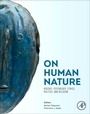
Michel Tibayrenc | Francisco J. Ayala
On Human Nature
Biology, Psychology, Ethics, Politics, and Religion
Buch
09/2016
Academic Press
142,31 €
Versand in 15-20 Tagen
Inhalt
Section I. Biological Basis of Human Diversity
1. The advent of biological evolution and humankind. chance or necessity?
2. Hominins. context, origins and taxic diversity
3. The history of early Homo
4. The contribution of genetic ancestry from archaic humans to modern humans
5. World dispersals and genetic diversity of mankind. The Out-of-Africa theory and its challenges
6. Human population variability and its adaptive significance
7. Evolution and implications of genomic diversity on ‘human kind’ in India
8. The human brain. evolution and distinctive features
9. How different are humans and "great apes". A matrix of comparative anthropogeny
10. Human intergroup variation and disease genetics
11. Natural selection associated with infectious diseases
12. Aging, somatic evolution and cancer
13. Evolution of the human leucocyte antigen system
14. Human life history. Biocultural factors, community effects, and strategic growth trade-offs
15. Gorillas in our midst? Human sexual dimorphism and contest competition in men
16. The human family. Evolutionary origins and adaptative significance
17. Epigenetics
18. Evolution of the human microbiome
19. Recent evolution in humans
20. Sex or gender. Genes versus environment
Section II. Psychology, Behavior and Society
21. Biological future of humankind. Ongoing evolution and the impact of recognition of human biological variation
22. Gene-culture models for the evolution of altruistic teaching
23. Agricultural origins and distribution in Eurasia and Africa
24. The quantum origin of life. How the brain evolved to feel good
25. Empathy, theory of mind, cognition, morality, and altruism
26. Cognitive ethology and social attention
27. Human sociobiology and Group Selection Theory
28. Behavior analysis, Darwinian evolutionary processes, and the diversity of human behavior
29. A psychoanalyst views the self across civilizations
30. Biological and social causation of serious mental illness
31. The flexible psychological concept of normality
32. Diversity and hierarchy in the evolution of mental mechanisms
33. Human diversity at the individual and population levels, and societal hierarchies
34. Homosexuality and evolution. A critical appraisal
35. The roots and individual diversity of addiction
36. Human variability and the origins and evolution of language
37. Human evolution and progress
38. Culture, brain, and behavior. The implications of neural plasticity and development on social contexts and political structures
39. Artificial intelligence and human nature
40. New ideologies. Decolonialism and woke culture
41. On the changing relationship between humans and nature in the course of human development
42. Reductionism, holism and human nature
43. The future of transhumanism
44. Theory of mind
Section III. Ethics, historic, political and religious aspects
45. Adaptive significance of ethics and aesthetics
46. The politics of human nature
47. Race and racism. Biology, ethics, and politics
48. Social Darwinism
49. History and diversity of religions
50. Religion viewed from different sciences
51. Universal humanity, religious particularity, and scientific reductionism
52. Evolution and the future of medicine
53. The impact of modern medicine on human evolution
54. Science and technology in human societies. from toolmaking to technology
55. Biology, psychology, ethics, and politics. An innate moral sense?
56. What HIV has taught about the interactions between biology, culture, and other evolving systems
57. A history of eugenics
58. A recent history of agronomy
1. The advent of biological evolution and humankind. chance or necessity?
2. Hominins. context, origins and taxic diversity
3. The history of early Homo
4. The contribution of genetic ancestry from archaic humans to modern humans
5. World dispersals and genetic diversity of mankind. The Out-of-Africa theory and its challenges
6. Human population variability and its adaptive significance
7. Evolution and implications of genomic diversity on ‘human kind’ in India
8. The human brain. evolution and distinctive features
9. How different are humans and "great apes". A matrix of comparative anthropogeny
10. Human intergroup variation and disease genetics
11. Natural selection associated with infectious diseases
12. Aging, somatic evolution and cancer
13. Evolution of the human leucocyte antigen system
14. Human life history. Biocultural factors, community effects, and strategic growth trade-offs
15. Gorillas in our midst? Human sexual dimorphism and contest competition in men
16. The human family. Evolutionary origins and adaptative significance
17. Epigenetics
18. Evolution of the human microbiome
19. Recent evolution in humans
20. Sex or gender. Genes versus environment
Section II. Psychology, Behavior and Society
21. Biological future of humankind. Ongoing evolution and the impact of recognition of human biological variation
22. Gene-culture models for the evolution of altruistic teaching
23. Agricultural origins and distribution in Eurasia and Africa
24. The quantum origin of life. How the brain evolved to feel good
25. Empathy, theory of mind, cognition, morality, and altruism
26. Cognitive ethology and social attention
27. Human sociobiology and Group Selection Theory
28. Behavior analysis, Darwinian evolutionary processes, and the diversity of human behavior
29. A psychoanalyst views the self across civilizations
30. Biological and social causation of serious mental illness
31. The flexible psychological concept of normality
32. Diversity and hierarchy in the evolution of mental mechanisms
33. Human diversity at the individual and population levels, and societal hierarchies
34. Homosexuality and evolution. A critical appraisal
35. The roots and individual diversity of addiction
36. Human variability and the origins and evolution of language
37. Human evolution and progress
38. Culture, brain, and behavior. The implications of neural plasticity and development on social contexts and political structures
39. Artificial intelligence and human nature
40. New ideologies. Decolonialism and woke culture
41. On the changing relationship between humans and nature in the course of human development
42. Reductionism, holism and human nature
43. The future of transhumanism
44. Theory of mind
Section III. Ethics, historic, political and religious aspects
45. Adaptive significance of ethics and aesthetics
46. The politics of human nature
47. Race and racism. Biology, ethics, and politics
48. Social Darwinism
49. History and diversity of religions
50. Religion viewed from different sciences
51. Universal humanity, religious particularity, and scientific reductionism
52. Evolution and the future of medicine
53. The impact of modern medicine on human evolution
54. Science and technology in human societies. from toolmaking to technology
55. Biology, psychology, ethics, and politics. An innate moral sense?
56. What HIV has taught about the interactions between biology, culture, and other evolving systems
57. A history of eugenics
58. A recent history of agronomy