

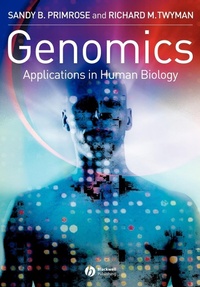
Genomics
Applications in Human Biology
1. Auflage
Erschienen am 17. Dezember 2003
Buch
Softcover
232 Seiten
978-1-4051-0819-5 (ISBN)
Beschreibung
Written by the successful author team of Sandy Primrose and Richard Twyman, Genomics: Applications in Human Biology is a topical book showing how the new science of genomics is adding impetus to the advances in human health provided by biotechnology.
Written to provide the necessary overview of the subject, covering technological developments, applications and (where necessary) the ethical implications.
Divided into three sections, the first section introduces the role of biotechnology and genomics in medicine and sets out some of the technological advances that have been the basis of recent medical breakthroughs.
The second section takes a closer look at how biotechnology and genomics are influencing the prevention and treatment of different categories of disease.
Finally the contribution of biotechnology and genomics to the development of different types of therapy is described, including conventional drugs, recombinant proteins and gene/cell therapies.
References to appropriate sections in other two popular books, authored by Sandy Primrose and Richard Twyman, are included - Principles of Gene Manipulation and Principles of Gene Analysis and Genomics.
Features several categories of boxed text, including history boxes (describing the origins and development of particular technologies or treatments), molecular boxes (featuring the molecular basis of diseases or treatments in more detail) and ethic boxes (which discusses the ethical implications of technology development and new therapies).
Written to provide the necessary overview of the subject, covering technological developments, applications and (where necessary) the ethical implications.
Divided into three sections, the first section introduces the role of biotechnology and genomics in medicine and sets out some of the technological advances that have been the basis of recent medical breakthroughs.
The second section takes a closer look at how biotechnology and genomics are influencing the prevention and treatment of different categories of disease.
Finally the contribution of biotechnology and genomics to the development of different types of therapy is described, including conventional drugs, recombinant proteins and gene/cell therapies.
References to appropriate sections in other two popular books, authored by Sandy Primrose and Richard Twyman, are included - Principles of Gene Manipulation and Principles of Gene Analysis and Genomics.
Features several categories of boxed text, including history boxes (describing the origins and development of particular technologies or treatments), molecular boxes (featuring the molecular basis of diseases or treatments in more detail) and ethic boxes (which discusses the ethical implications of technology development and new therapies).
Rezensionen / Stimmen
"Genomics is the more specialised...but still manages to cover an impressive array of topics relevant to human biology, including infectious disease, cancer and biopharmaceuticals. Wherever possible, the authors have gone out of their way to link technology and biological application." Paul B. Rainey, Times Higher Education Supplement, March 2004Weitere Details
Sprache
Englisch
Verlagsort
Hoboken
Großbritannien
Verlagsgruppe
John Wiley and Sons Ltd
Zielgruppe
Für Beruf und Forschung
Produkt-Hinweis
Broschur/Paperback
Klebebindung
Maße
Höhe: 244 mm
Breite: 170 mm
Dicke: 13 mm
Gewicht
409 gr
ISBN-13
978-1-4051-0819-5 (9781405108195)
Copyright in bibliographic data and cover images is held by Nielsen Book Services Limited or by the publishers or by their respective licensors: all rights reserved.
Schweitzer Klassifikation
Weitere Ausgaben
Andere Ausgaben
E-Book
05/2008
Wiley-Blackwell
87,99 €
Als Download verfügbar
Personen
Sandy Primrose was an academic for 10 years and a senior manager in the biotechnology industry for 20 years. He now manages a consultancy practice focused on technology management. He is also Visiting Professor at the Universities of Warwick and Liverpool, and sits on the board of a number of biotechnology companies.
Richard Twyman worked as a research scientist at the University of Warwick and the MRC Laboratory of Molecular Biology in Cambridge before taking up scientific writing as a full-time occupation in 1998. He is currently a Visiting Fellow at the Department of Biology, University of York, and manages a company that provides scientific writing services.
Richard Twyman worked as a research scientist at the University of Warwick and the MRC Laboratory of Molecular Biology in Cambridge before taking up scientific writing as a full-time occupation in 1998. He is currently a Visiting Fellow at the Department of Biology, University of York, and manages a company that provides scientific writing services.
Inhalt
Chapter One: Biotechnology And Genomics In Medicine. Introduction.
Recombinant DNA Technology.
From Recombinant DNA To Molecular Medicine.
Gene Medicine.
Disease Models.
The Impact Of Genomics On Medicine.
The New Molecular Medicine.
Outline Of This Book.
Further Reading.
Chapter Two: An Overview Of Genomics.
Introduction.
A Review Of Progress: The Human Genome Project.
The Future: Functional Genomics.
Mutational Genomics.
Further Reading.
Chapter Three: Genomics And The Challenge Of Infectious Disease.
Microorganisms Causing Disease.
Where Do New Diseases Come From?.
Identifying The Causative Agent Of A Disease.
Molecular Epidemiology.
Host Resistance To Infection.
Understanding Bacterial Pathogenicity.
Comparative Genomics And Genome Plasticity.
Combating Infectious Disease.
Further Reading.
Chapter Four: Analyzing And Treating Genetic Diseases.
Genetic Disease In Context.
Detecting Single Gene Disorders.
Treating Single Gene Disorders.
Finding Genes For Monogenic Diseases And Determining Gene Function.
Analysis Of Polygenic Disorders.
Haplotypes.
The Major Histocompatibility Complex (MHC).
Individual Responses To Drugs (Pharmacogenomics).
Further Reading.
Chapter Five: Diagnosis And Treatment Of Cancer.
Introduction.
The Impact Of Genomics On Cancer Research.
New Methods For The Diagnosis Of Cancer.
New Approaches To Cancer Therapy.
Further Reading.
Chapter Six: The Large Scale Production Of Biopharmaceuticals.
Overview.
The Generation Of Monoclonal Antibodies.
The Large Scale Culture Of Microorganisms.
The Large Scale Culture Of Animal Cells.
Expression Systems.
Downstream Processing.
Using Gene Manipulation To Facilitate Downstream Processing. Of Biopharmaceuticals.
The Quality Of Biopharmaceuticals.
Good Manufacturing Practice.
Alternative Production Systems.
Further Reading.
Chapter Seven: Genomics And The Development Of New Chemical Entities.
Introduction. How Drugs Are Developed.
High-Throughput Screening.
Target Validation And Animal Models.
Combinatorial Chemistry.
Dynamic Combinatorial Libraries.
Virtual Screening.
Combinatorial Biosynthesis And Chemobiosynthesis.
Drug Metabolism.
Toxicogenomics.
Further Reading.
Chapter Eight: Gene And Cell Therapies.
Introduction.
Gene Therapy.
Nucleic Acids As Drugs.
DNA Vaccines.
Disease Models.
Cell Therapy.
Further Reading.
Recombinant DNA Technology.
From Recombinant DNA To Molecular Medicine.
Gene Medicine.
Disease Models.
The Impact Of Genomics On Medicine.
The New Molecular Medicine.
Outline Of This Book.
Further Reading.
Chapter Two: An Overview Of Genomics.
Introduction.
A Review Of Progress: The Human Genome Project.
The Future: Functional Genomics.
Mutational Genomics.
Further Reading.
Chapter Three: Genomics And The Challenge Of Infectious Disease.
Microorganisms Causing Disease.
Where Do New Diseases Come From?.
Identifying The Causative Agent Of A Disease.
Molecular Epidemiology.
Host Resistance To Infection.
Understanding Bacterial Pathogenicity.
Comparative Genomics And Genome Plasticity.
Combating Infectious Disease.
Further Reading.
Chapter Four: Analyzing And Treating Genetic Diseases.
Genetic Disease In Context.
Detecting Single Gene Disorders.
Treating Single Gene Disorders.
Finding Genes For Monogenic Diseases And Determining Gene Function.
Analysis Of Polygenic Disorders.
Haplotypes.
The Major Histocompatibility Complex (MHC).
Individual Responses To Drugs (Pharmacogenomics).
Further Reading.
Chapter Five: Diagnosis And Treatment Of Cancer.
Introduction.
The Impact Of Genomics On Cancer Research.
New Methods For The Diagnosis Of Cancer.
New Approaches To Cancer Therapy.
Further Reading.
Chapter Six: The Large Scale Production Of Biopharmaceuticals.
Overview.
The Generation Of Monoclonal Antibodies.
The Large Scale Culture Of Microorganisms.
The Large Scale Culture Of Animal Cells.
Expression Systems.
Downstream Processing.
Using Gene Manipulation To Facilitate Downstream Processing. Of Biopharmaceuticals.
The Quality Of Biopharmaceuticals.
Good Manufacturing Practice.
Alternative Production Systems.
Further Reading.
Chapter Seven: Genomics And The Development Of New Chemical Entities.
Introduction. How Drugs Are Developed.
High-Throughput Screening.
Target Validation And Animal Models.
Combinatorial Chemistry.
Dynamic Combinatorial Libraries.
Virtual Screening.
Combinatorial Biosynthesis And Chemobiosynthesis.
Drug Metabolism.
Toxicogenomics.
Further Reading.
Chapter Eight: Gene And Cell Therapies.
Introduction.
Gene Therapy.
Nucleic Acids As Drugs.
DNA Vaccines.
Disease Models.
Cell Therapy.
Further Reading.