

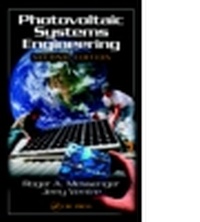
Photovoltaic Systems Engineering, Second Edition
2. Auflage
Erschienen am 28. Juli 2003
Buch
Hardcover
480 Seiten
978-0-8493-1793-4 (ISBN)
Beschreibung
In just the last few years, the increase in worldwide photovoltaic (PV) shipments has grown from 15 to 25 percent per year. Grid-connected applications have surpassed stand-alone applications, system components have realized significant improvements, and major efforts are underway to build a quality control infrastructure for PV systems. Such rapid growth and evolution continues to put engineers skilled in PV systems at a premium.
Thoroughly updated, Photovoltaic Systems Engineering, Second Edition offers a practical engineering basis for PV system design. It provides quick exposure to all system building blocks, then examines both the whys and hows of the electrical, mechanical, economic, and aesthetic aspects of PV system design-why certain designs are done in certain ways and how the design process is implemented. Students mastering the contents of this book will have the engineering judgement needed to make intelligent decisions based on a clear understanding of the parameters involved in PV systems.
Highlights of the Second Edition:
Y Complete updates to each chapter that incorporate currently available system components and recent changes in codes and standards
Y Increased emphasis on design trade-offs and the design of grid-connected systems
Y New discussions on site evaluation, and battery connections
Y A new section on array mounting system design
Y A new section on utility interactive residential PV systems
Y A new section on curve fitting using Excel
Y A new appendix that presents a recommended format for submitting PV design packages for permitting or design review purposes
Y Examples and exercises replaced or modified to incorporate contemporary components, such as the Linear Current Booster
Thoroughly updated, Photovoltaic Systems Engineering, Second Edition offers a practical engineering basis for PV system design. It provides quick exposure to all system building blocks, then examines both the whys and hows of the electrical, mechanical, economic, and aesthetic aspects of PV system design-why certain designs are done in certain ways and how the design process is implemented. Students mastering the contents of this book will have the engineering judgement needed to make intelligent decisions based on a clear understanding of the parameters involved in PV systems.
Highlights of the Second Edition:
Y Complete updates to each chapter that incorporate currently available system components and recent changes in codes and standards
Y Increased emphasis on design trade-offs and the design of grid-connected systems
Y New discussions on site evaluation, and battery connections
Y A new section on array mounting system design
Y A new section on utility interactive residential PV systems
Y A new section on curve fitting using Excel
Y A new appendix that presents a recommended format for submitting PV design packages for permitting or design review purposes
Y Examples and exercises replaced or modified to incorporate contemporary components, such as the Linear Current Booster
Weitere Details
Auflage
2nd New edition
Sprache
Englisch
Verlagsort
Bosa Roca
USA
Verlagsgruppe
Taylor & Francis Inc
Zielgruppe
Für Beruf und Forschung
Engineers, professors, solar installers/contractors, electrical inspectors, energy agencies
Editions-Typ
Neue Ausgabe
Illustrationen
79 s/w Tabellen, 10 s/w Photographien bzw. Rasterbilder, 170 s/w Abbildungen
10 Halftones, black and white; 79 Tables, black and white; 170 Illustrations, black and white
Maße
Höhe: 234 mm
Breite: 159 mm
Gewicht
794 gr
ISBN-13
978-0-8493-1793-4 (9780849317934)
Copyright in bibliographic data and cover images is held by Nielsen Book Services Limited or by the publishers or by their respective licensors: all rights reserved.
Schweitzer Klassifikation
Weitere Ausgaben
Nachauflagen
Roger A. Messenger | Amir Abtahi
Photovoltaic Systems Engineering, Third Edition
Buch
03/2010
3. Auflage
CRC Press
113,83 €
Artikel ist vergriffen; siehe Neuauflage
Vorauflage
Roger A. Messenger | Gerard Vent
Photovoltaic Systems Engineering
Buch
12/1999
1. Auflage
CRC Press
55,67 €
Artikel ist vergriffen; siehe Neuauflage
Personen
Inhalt
BACKGROUND
Introduction
Energy Units
Current World Energy Use Patterns
Exponential Growth
Net Energy, BTU Economics and the Test for Sustainability
Direct Conversion of Sunlight to Electricity with Photovoltaics
THE SUN
Introduction
The Solar Spectrum
The Effect of Atmosphere on Sunlight
Insolation Specifics
Capturing Sunlight
INTRODUCTION TO PV SYSTEMS
Introduction
The PV Cell
The PV Module
The PV Array
Energy Storage
PV System Loads
PV System Availability
Associated System Electronic Components
Generators
Wiring and Code Compliance
Balance of System Components
PV SYSTEM EXAMPLES
Introduction
Example 1: A Simple PV-Powered Fan
Example 2: A PV-Powered Water Pumping System with Linear Current Booster
Example 3: A PV-Powered Area Lighting System
Example 4: A PV-Powered Remote Cabin
Example 5: A Hybrid System
Example 6: A Utility Interactive System
Example 7: A Cathodic Protection System
Example 8: A Portable Highway Advisory Sign
COST CONSIDERATIONS
Introduction
Life Cycle Costing
Borrowing Money
Externalities
MECHANICAL CONSIDERATIONS
Introduction
Important Properties of Materials
Establishing Mechanical System Requirements
Design and Installation Guidelines
Forces Acting on Photovoltaic Arrays
Array Mounting System Design
Computing Mechanical Loads and Stresses
Summary
STAND-ALONE PV SYSTEMS
Introduction
A Critical Need Refrigeration System
A PV-Powered Mountain Cabin
A Hybrid Powered Residence
Seasonal or Periodic Battery Discharge
Battery Connections
Computer Programs
UTILITY INTERACTIVE PV SYSTEMS
Introduction
Nontechnical Barriers to Utility Interactive PV Systems
Technical Considerations for Connecting to the Grid
Small (
Introduction
Energy Units
Current World Energy Use Patterns
Exponential Growth
Net Energy, BTU Economics and the Test for Sustainability
Direct Conversion of Sunlight to Electricity with Photovoltaics
THE SUN
Introduction
The Solar Spectrum
The Effect of Atmosphere on Sunlight
Insolation Specifics
Capturing Sunlight
INTRODUCTION TO PV SYSTEMS
Introduction
The PV Cell
The PV Module
The PV Array
Energy Storage
PV System Loads
PV System Availability
Associated System Electronic Components
Generators
Wiring and Code Compliance
Balance of System Components
PV SYSTEM EXAMPLES
Introduction
Example 1: A Simple PV-Powered Fan
Example 2: A PV-Powered Water Pumping System with Linear Current Booster
Example 3: A PV-Powered Area Lighting System
Example 4: A PV-Powered Remote Cabin
Example 5: A Hybrid System
Example 6: A Utility Interactive System
Example 7: A Cathodic Protection System
Example 8: A Portable Highway Advisory Sign
COST CONSIDERATIONS
Introduction
Life Cycle Costing
Borrowing Money
Externalities
MECHANICAL CONSIDERATIONS
Introduction
Important Properties of Materials
Establishing Mechanical System Requirements
Design and Installation Guidelines
Forces Acting on Photovoltaic Arrays
Array Mounting System Design
Computing Mechanical Loads and Stresses
Summary
STAND-ALONE PV SYSTEMS
Introduction
A Critical Need Refrigeration System
A PV-Powered Mountain Cabin
A Hybrid Powered Residence
Seasonal or Periodic Battery Discharge
Battery Connections
Computer Programs
UTILITY INTERACTIVE PV SYSTEMS
Introduction
Nontechnical Barriers to Utility Interactive PV Systems
Technical Considerations for Connecting to the Grid
Small (