


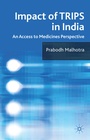
Impact of TRIPS in India
An Access to Medicines Perspective
Erschienen am 13. Oktober 2010
Buch
Hardcover
XXI, 320 Seiten
978-0-230-27278-1 (ISBN)
Beschreibung
In India today only 35 percent of people have access to medicines. This book examines the rise of drug prices in India, and develops a new healthcare model, which if implemented, would extend access to medicines to India's entire population. Sensitivity tests show that the proposed model is affordable, equitable and implementable
Weitere Details
Auflage
2010 edition
Sprache
Englisch
Verlagsort
London
Großbritannien
Zielgruppe
Für Beruf und Forschung
Produkt-Hinweis
Klebebindung
Pappband
Illustrationen
XXI, 320 p.
Maße
Höhe: 216 mm
Breite: 142 mm
Dicke: 25 mm
Gewicht
544 gr
ISBN-13
978-0-230-27278-1 (9780230272781)
DOI
10.1057/9780230290747
Schweitzer Klassifikation
Weitere Ausgaben
Andere Ausgaben
E-Book
10/2010
1. Auflage
Palgrave Macmillan
53,49 €
Als Download verfügbar

Buch
01/2010
Palgrave Macmillan
53,49 €
Versand in 15-20 Tagen
Person
PRABODH MALHOTRA was born and brought up in India but has been living in Australia since 1980. Thus, he understands both systems. He has taught at a number of universities in Australia. Prabodh has PhD in Economics and Masters in International Business and has published conference papers, journal articles and government reports in these areas. This book is based on his extensive research and fieldwork in India.
Inhalt
Foreword Acknowledgments Introduction PART I: INFLUENCE OF GLOBAL FORCES ON ACCESS TO MEDICINES The World Trade Organization and the TRIPS Agreement The Global Pharmaceutical Industry and Developing New Drugs PART II: ACCESS TO MEDICINES IN INDIA Development of India's Pharmaceutical Industry TRIPS and the Indian Patents Regime Price Controls and Drug Affordability in India: Policy Options Health Insurance in India Broadening the Access to Medicines and Healthcare in India PART III: GLOBAL PERSPECTIVE Is TRIPS Appropriate for Developing Countries? Which Way Ahead? Final Conclusions References