

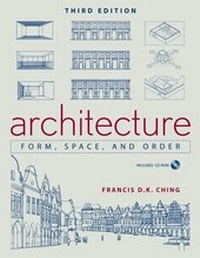
Architecture
Form, Space, & Order
3. Auflage
Erschienen am 1. Juni 2007
Buch
Softcover
448 Seiten
978-0-471-75216-5 (ISBN)
Beschreibung
A superb visual reference to the principles of architecture
Now including interactive CD-ROM!
For more than thirty years, the beautifully illustrated Architecture: Form, Space, and Order has been the classic introduction to the basic vocabulary of architectural design. The updated Third Edition features expanded sections on circulation, light, views, and site context, along with new considerations of environmental factors, building codes, and contemporary examples of form, space, and order.
This classic visual reference helps both students and practicing architects understand the basic vocabulary of architectural design by examining how form and space are ordered in the built environment.? Using his trademark meticulous drawing, Professor Ching shows the relationship between fundamental elements of architecture through the ages and across cultural boundaries. By looking at these seminal ideas, Architecture: Form, Space, and Order encourages the reader to look critically at the built environment and promotes a more evocative understanding of architecture.
In addition to updates to content and many of the illustrations, this new edition includes a companion CD-ROM that brings the book's architectural concepts to life through three-dimensional models and animations created by Professor Ching.
Now including interactive CD-ROM!
For more than thirty years, the beautifully illustrated Architecture: Form, Space, and Order has been the classic introduction to the basic vocabulary of architectural design. The updated Third Edition features expanded sections on circulation, light, views, and site context, along with new considerations of environmental factors, building codes, and contemporary examples of form, space, and order.
This classic visual reference helps both students and practicing architects understand the basic vocabulary of architectural design by examining how form and space are ordered in the built environment.? Using his trademark meticulous drawing, Professor Ching shows the relationship between fundamental elements of architecture through the ages and across cultural boundaries. By looking at these seminal ideas, Architecture: Form, Space, and Order encourages the reader to look critically at the built environment and promotes a more evocative understanding of architecture.
In addition to updates to content and many of the illustrations, this new edition includes a companion CD-ROM that brings the book's architectural concepts to life through three-dimensional models and animations created by Professor Ching.
Rezensionen / Stimmen
"His classic introduction to the basic elements of architecture has served as a reference for both students and practicing architects for 30-plus years. Illustrated throughout with b&w diagrams and renderings, the third edition includes expanded sections on circulation, light, views, and site context; new material on environmental factors and building codes; and contemporary examples of form, space, and order." (Book News, February 2008)Weitere Details
Weitere Ausgaben
Nachauflagen
Buch
11/2014
4. Auflage
Wiley
Preis leider unbekannt
Artikel ist vergriffen; siehe Neuauflage
Vorauflage
Buch
01/1996
2. Auflage
Wiley
44,90 €
Artikel ist vergriffen; siehe Neuauflage
Person
Francis D.K. Ching is the bestselling author of numerous books on architecture and design, including A Global History of Architecture, Architectural Graphics, A Visual Dictionary of Architecture, Interior Design Illustrated, and Building Construction Illustrated, all published by Wiley. He is a registered architect and Professor Emeritus at the University of Washington in Seattle.
Inhalt
1 Primary Elements
2 Form
3 Form & Space
4 Organization
5 Circulation
6 Proportion & Scale
7 Principles
Conclusion
A Selected Bibliography
Glossary
Index
2 Form
3 Form & Space
4 Organization
5 Circulation
6 Proportion & Scale
7 Principles
Conclusion
A Selected Bibliography
Glossary
Index