

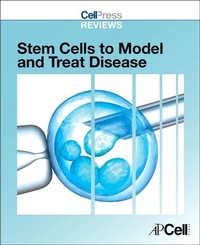
Cell Press Reviews: Stem Cells to Model and Treat Disease
Stem Cells to Model and Treat Disease
Erschienen am 12. Dezember 2013
Buch
Softcover
374 Seiten
978-0-12-420191-0 (ISBN)
Beschreibung
Cell Press Reviews: Stem Cells to Model and Treat Disease informs, inspires, and connects stem cell researchers and clinicians at all stages in their careers with timely, comprehensive reviews written by leaders in the field and curated by Cell Press editors. The publication offers a broad view of some of the most compelling topics in stem cell research including:
Safety and efficacy of stem cell treatments
Stem-cell-based organ regeneration
Integrating stem cells into personalized drug discovery
Using pluripotent stem cells for treating neurological disease
Engineering hematopoietic stem cells for innovative therapies
Contributions come from leading voices in the field, including:
- Shinya Yamanaka, Recipient of the 2012 Nobel Prize for Physiology or Medicine, Recipient of the 2012 Millennium Technology Prize, Professor and Director of the Center for iPS Cell Research and Application at Kyoto University, Senior Investigator at the Gladstone Institute of Cardiovascular Disease, L.K. Whittier Foundation Investigator in Stem Cell Biology and Professor at the University of California, San Francisco
- George Q. Daley, Samuel E. Lux IV Professor of Hematology/Oncology at Harvard Medical School and Director for the Stem Cell Transplantation Program at Boston Children's Hospital
- Irving Weissman, Member of National Academy of Sciences, Virgina & D.K Ludwig Professor for Clinical Investigation in Cancer Research, and Director for Institute of Stem Cell Biology and Regenerative Medicine at Stanford University of Medicine
Cell Press Reviews: Stem Cells to Model and Treat Disease is part of the Cell Press Reviews series, which features reviews published in Cell Press primary research and Trends reviews journals.
Safety and efficacy of stem cell treatments
Stem-cell-based organ regeneration
Integrating stem cells into personalized drug discovery
Using pluripotent stem cells for treating neurological disease
Engineering hematopoietic stem cells for innovative therapies
Contributions come from leading voices in the field, including:
- Shinya Yamanaka, Recipient of the 2012 Nobel Prize for Physiology or Medicine, Recipient of the 2012 Millennium Technology Prize, Professor and Director of the Center for iPS Cell Research and Application at Kyoto University, Senior Investigator at the Gladstone Institute of Cardiovascular Disease, L.K. Whittier Foundation Investigator in Stem Cell Biology and Professor at the University of California, San Francisco
- George Q. Daley, Samuel E. Lux IV Professor of Hematology/Oncology at Harvard Medical School and Director for the Stem Cell Transplantation Program at Boston Children's Hospital
- Irving Weissman, Member of National Academy of Sciences, Virgina & D.K Ludwig Professor for Clinical Investigation in Cancer Research, and Director for Institute of Stem Cell Biology and Regenerative Medicine at Stanford University of Medicine
Cell Press Reviews: Stem Cells to Model and Treat Disease is part of the Cell Press Reviews series, which features reviews published in Cell Press primary research and Trends reviews journals.
Weitere Details
Reihe
Sprache
Englisch
Verlagsort
USA
Verlagsgruppe
Elsevier Science Publishing Co Inc
Zielgruppe
Für Beruf und Forschung
Produkt-Hinweis
Broschur/Paperback
Klebebindung
Maße
Höhe: 231 mm
Breite: 184 mm
Dicke: 20 mm
Gewicht
757 gr
ISBN-13
978-0-12-420191-0 (9780124201910)
Copyright in bibliographic data and cover images is held by Nielsen Book Services Limited or by the publishers or by their respective licensors: all rights reserved.
Schweitzer Klassifikation
Weitere Ausgaben
Andere Ausgaben
E-Book
12/2013
Elsevier
19,95 €
Als Download verfügbar
Person
Surveillance and Threat Detection offers readers a complete understanding of the terrorist/criminal cycle, and how to interrupt that cycle to prevent an attack.
Terrorists and criminals often rely on pre-attack and pre-operational planning and surveillance activities that can last a period of weeks, months, or even years. Identifying and disrupting this surveillance is key to prevention of attacks. The systematic capture of suspicious events and the correlation of those events can reveal terrorist or criminal surveillance, allowing security professionals to employ appropriate countermeasures and identify the steps needed to apprehend the perpetrators. The results will dramatically increase the probability of prevention while streamlining protection assets and costs.
Readers of Surveillance and Threat Detection will draw from real-world case studies that apply to their real-world security responsibilities. Ultimately, readers will come away with an understanding of how surveillance detection at a high-value, fixed site facility can be integrated into an overall security footprint for any organization.
Terrorists and criminals often rely on pre-attack and pre-operational planning and surveillance activities that can last a period of weeks, months, or even years. Identifying and disrupting this surveillance is key to prevention of attacks. The systematic capture of suspicious events and the correlation of those events can reveal terrorist or criminal surveillance, allowing security professionals to employ appropriate countermeasures and identify the steps needed to apprehend the perpetrators. The results will dramatically increase the probability of prevention while streamlining protection assets and costs.
Readers of Surveillance and Threat Detection will draw from real-world case studies that apply to their real-world security responsibilities. Ultimately, readers will come away with an understanding of how surveillance detection at a high-value, fixed site facility can be integrated into an overall security footprint for any organization.
Inhalt
1) Stem cell therapies could change medicine... if they get the chance; Irving Weissman; Cell Stem Cell
2) Why is it taking so long to develop clinically competitive stem cell therapies for CNS disorders? Olle Lindvall; Cell Stem Cell
3) Assessing the safety of stem cell therapeutics; Chris E.P. Goldring, Paul A. Duffy, Nissim Benvenisty, Peter W. Andrews, Uri Ben-David, Rowena Eakins, Neil French, Neil A. Hanley, Lorna Kelly, Neil R. Kitteringham, Jens Kurth, Deborah Ladenheim, Hugh Laverty, James McBlane, Gopalan Narayanan, Sara Patel, Jens Reinhardt, Annamaria Rossi, Michaela Sharpe and B. Kevin Park; Cell Stem Cell
4) The promise and perils of stem cell therapeutics; George Q. Daley; Cell Stem Cell
5) Reprogramming cellular identity for regenerative medicine; Anne B.C. Cherry and George Q. Daley; Cell
6) Cardiac stem cell therapy and the promise of heart regeneration; Jessica C. Garbern and Richard T. Lee; Cell Stem Cell
7) Next-generation regenerative medicine: Organogenesis from stem cells in 3D culture; Yoshiki Sasai; Cell Stem Cell
8) Induced pluripotent stem cells: past, present, and future; Shinya Yamanaka; Cell Stem Cell
9) Remodeling neurodegeneration: Somatic cell reprogramming-based models of adult neurological disorders; Liang Qiang, Ryousuke Fujita and Asa Abeliovich; Neuron
10) Therapeutic translation of iPSCs for treating neurological disease; Diana X. Yu, Maria C. Marchetto and Fred H. Gage; Cell Stem Cell
11) Modeling human disease with pluripotent stem cells: From genome association to function; Florian T. Merkle and Kevin Eggan; Cell Stem Cell
12) How can human pluripotent stem cells help decipher and cure Huntington's disease? Anselme Perrier and Marc Peschanski; Cell Stem Cell
13) Integrating human pluripotent stem cells into drug development; Sandra J. Engle and Dinesh Puppala; Cell Stem Cell
14) Process engineering of human pluripotent stem cells for clinical application; Margarida Serra, Catarina Brito, Claudia Correia and Paula M. Alves; Trends in Biotechnology
15) Mesenchymal stem cells: Therapeutic outlook for stroke; Osamu Honmou, Rie Onodera, Masanori Sasaki, Stephen G. Waxman and Jeffery D. Kocsis; Trends in Molecular Medicine
16) The potential of stem cells as an in vitro source of red blood cells for transfusion; Anna Rita Migliaccio, Carolyn Whitsett, Thalia Papayannopoulou and Michel Sadelain; Cell Stem Cell
17) Hematopoietic-stem-cell-based gene therapy for HIV disease; Hans-Peter Kiem, Keith R. Jerome, Steven G. Deeks and Joseph M. McCune; Cell Stem Cell
18) Stem cells in translation; Cell
2) Why is it taking so long to develop clinically competitive stem cell therapies for CNS disorders? Olle Lindvall; Cell Stem Cell
3) Assessing the safety of stem cell therapeutics; Chris E.P. Goldring, Paul A. Duffy, Nissim Benvenisty, Peter W. Andrews, Uri Ben-David, Rowena Eakins, Neil French, Neil A. Hanley, Lorna Kelly, Neil R. Kitteringham, Jens Kurth, Deborah Ladenheim, Hugh Laverty, James McBlane, Gopalan Narayanan, Sara Patel, Jens Reinhardt, Annamaria Rossi, Michaela Sharpe and B. Kevin Park; Cell Stem Cell
4) The promise and perils of stem cell therapeutics; George Q. Daley; Cell Stem Cell
5) Reprogramming cellular identity for regenerative medicine; Anne B.C. Cherry and George Q. Daley; Cell
6) Cardiac stem cell therapy and the promise of heart regeneration; Jessica C. Garbern and Richard T. Lee; Cell Stem Cell
7) Next-generation regenerative medicine: Organogenesis from stem cells in 3D culture; Yoshiki Sasai; Cell Stem Cell
8) Induced pluripotent stem cells: past, present, and future; Shinya Yamanaka; Cell Stem Cell
9) Remodeling neurodegeneration: Somatic cell reprogramming-based models of adult neurological disorders; Liang Qiang, Ryousuke Fujita and Asa Abeliovich; Neuron
10) Therapeutic translation of iPSCs for treating neurological disease; Diana X. Yu, Maria C. Marchetto and Fred H. Gage; Cell Stem Cell
11) Modeling human disease with pluripotent stem cells: From genome association to function; Florian T. Merkle and Kevin Eggan; Cell Stem Cell
12) How can human pluripotent stem cells help decipher and cure Huntington's disease? Anselme Perrier and Marc Peschanski; Cell Stem Cell
13) Integrating human pluripotent stem cells into drug development; Sandra J. Engle and Dinesh Puppala; Cell Stem Cell
14) Process engineering of human pluripotent stem cells for clinical application; Margarida Serra, Catarina Brito, Claudia Correia and Paula M. Alves; Trends in Biotechnology
15) Mesenchymal stem cells: Therapeutic outlook for stroke; Osamu Honmou, Rie Onodera, Masanori Sasaki, Stephen G. Waxman and Jeffery D. Kocsis; Trends in Molecular Medicine
16) The potential of stem cells as an in vitro source of red blood cells for transfusion; Anna Rita Migliaccio, Carolyn Whitsett, Thalia Papayannopoulou and Michel Sadelain; Cell Stem Cell
17) Hematopoietic-stem-cell-based gene therapy for HIV disease; Hans-Peter Kiem, Keith R. Jerome, Steven G. Deeks and Joseph M. McCune; Cell Stem Cell
18) Stem cells in translation; Cell