

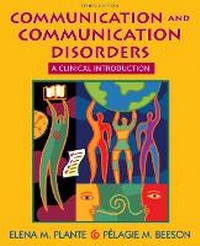
Communication and Communication Disorders
A Clinical Introduction
3rd Edition
Published on 20. August 2007
Book
Paperback/Softback
368 pages
978-0-205-53209-4 (ISBN)
Description
Plante and Beeson provide an introduction to the field of communication disorders that engages students' interests in professional practice and welcomes them into the major.
This third edition retains the strong introduction to the study of human communication and its disorders across the life span. The high-interest descriptions of communication disorders engage students planning to enter the field as well as non-majors who simply desire to better understand communication disorders. The third edition of the book reflects a refinement and clarity of writing that makes it an ideal introductory textbook. Case illustrations, figures, and photographs are used liberally to illustrate concepts and place them in a clinical context. The chapters maintain a balance between speech, language, and hearing assuring a balanced presentation of the professions of speech-language pathology and audiology. Chapters addressing disorders include information on the scientific basis for understanding each condition as well as assessment and treatment. The blend of science and clinical applications provides students with an understanding of normal processes and disorders.
This third edition retains the strong introduction to the study of human communication and its disorders across the life span. The high-interest descriptions of communication disorders engage students planning to enter the field as well as non-majors who simply desire to better understand communication disorders. The third edition of the book reflects a refinement and clarity of writing that makes it an ideal introductory textbook. Case illustrations, figures, and photographs are used liberally to illustrate concepts and place them in a clinical context. The chapters maintain a balance between speech, language, and hearing assuring a balanced presentation of the professions of speech-language pathology and audiology. Chapters addressing disorders include information on the scientific basis for understanding each condition as well as assessment and treatment. The blend of science and clinical applications provides students with an understanding of normal processes and disorders.
Reviews / Votes
"I think this text does a good job of reducing the field of communication disorders into a little over 300 pages. The examples of clients that are provided in each chapter are helpful, and may make these disorders more real to students." -Linda Shuster, West Virginia University"The book is very user friendly and it includes many good cases ... I will continue to use this text." -Patricia Mercaitis, University of Massachusetts Amherst
"The students enjoy it, and I think it's well written." -Ben Munson, University of Minnesota Minneapolis
More details
Edition
3rd edition
Language
English
Place of publication
United States
Publishing group
Pearson Education (US)
Target group
Professional and scholarly
Dimensions
Height: 189 mm
Width: 234 mm
Thickness: 14 mm
Weight
576 gr
ISBN-13
978-0-205-53209-4 (9780205532094)
Copyright in bibliographic data and cover images is held by Nielsen Book Services Limited or by the publishers or by their respective licensors: all rights reserved.
Schweitzer Classification
Other editions
New editions
Book
09/2012
4th Edition
Pearson
€181.97
Shipment within 15-20 days
Elena M. Plante | Pelagie M. Beeson
Communication and Communication Disorders
A Clinical Introduction: International Edition
Book
09/2012
4th Edition
Pearson
€145.45
Article is exhausted; no reprint
Previous edition
Elena M. Plante | Pelagie M. Beeson
Communication and Communication Disorders
A Clinical Introduction
Book
06/2003
2nd Edition
Pearson
€74.46
Article exhausted; check for reprint
Content
Preface
About the Authors
1. Introduction to the Professions of Audiology and Speech-Language Pathology.
Normal Communication.
Six Individuals with Communication Impairment.
Classification of Communication Disorders.
Careers in Communication Disorders.
Clinical Problem Solving.
References.
2. The Biological Foundations of Speech and Language.
The Vocal Mechanism.
The Articulatory Mechanisms.
The Nervous System.
Clinical Problem Solving.
References.
3. Sounds in Communication.
Acoustic Aspects of Sounds.
The Spoken Sounds of Communication.
Speech Sound Development.
Clinical Problem Solving.
References.
4. Disorders of Speech Sound Production.
Types of Speech Sound Errors.
Speech Sound Disorders in Children.
Evaluation of Speech Sound Disorders in Children.
Intervention Methods for Children.
Acquired Speech Sound Disorders in Adults.
Augmentative and Alternative Communication Systems.
Clinical Problem Solving.
References.
Readings from the Popular Literature.
5. Disorders of Fluency.
Normal Disfluency versus Stuttering.
Stuttering in the Population.
Definitions.
Theories of Stuttering.
Evaluation of Developmental Stuttering.
Stuttering Therapy.
Other Disorders of Fluency.
Clinical Problem Solving.
References.
Readings from the Popular Literature.
6. Disorders of the Voice and Swallowing Disorders.
by Julie Barkmeier.
Voice Disorders.
Voice Disorders Related to Vocal Fold Tissue Changes.
Neurological Voice Disorders.
Voice Assessment and Management.
Dysphagia.
Clinical Problem Solving.
References.
7. Language.
The Components of Language.
Approaches to the Study of Language Acquisition.
Language Development from Sounds to Sentences.
The Development of Literacy.
Clinical Problem Solving.
References.
8. Disorders of Language in Children.
Language Differences.
Early Signs of a Language Disorder.
Developmental Language Disorders.
Reading Impairments.
Other Disorders That Impact Language.
Evaluation of Language Disorders.
Language Therapy.
Clinical Problem Solving.
References.
Readings from the Popular Literature.
9. Disorders of Language in Adults.
Aphasia.
Acquired Reading and Writing Impairments.
Right-Hemisphere Communication Disorders.
Dementia.
Clinical Problem Solving.
References.
Readings from the Popular Literature.
10. The Biological Foundations of Hearing.
by Theodore Glattke
Structure and Function of the Ear.
Auditory Connections in the Brain.
Clinical Problem Solving.
References.
11. Disorders of Hearing in Children.
by Anne Marie Tharpe.
Auditory Pathologies.
Degree of Hearing Loss and Its Effect on Communication.
Audiological Testing.
Management of Children with Hearing Impairment.
Clinical Problem Solving.
References.
Readings from the Popular Literature.
12. Disorders of Hearing in Adults.
by Linda Norrix.
Conductive Hearing Loss.
Sensorineural Hearing Loss.
Mixed Hearing Impairment.
Psychosocial Impact of Hearing Loss.
Audiological Evaluation.
Management Strategies.
Clinical Problem Solving.
References.
Readings from the Popular Literature.
13. Professional Issues.
Clinical Settings.
Interdisciplinary Interactions.
The Professional Association: The American Speech-Language-Hearing Association.
Trends in the Profession.
References.
Glossary.
Author Index.
Subject Index.
About the Authors
1. Introduction to the Professions of Audiology and Speech-Language Pathology.
Normal Communication.
Six Individuals with Communication Impairment.
Classification of Communication Disorders.
Careers in Communication Disorders.
Clinical Problem Solving.
References.
2. The Biological Foundations of Speech and Language.
The Vocal Mechanism.
The Articulatory Mechanisms.
The Nervous System.
Clinical Problem Solving.
References.
3. Sounds in Communication.
Acoustic Aspects of Sounds.
The Spoken Sounds of Communication.
Speech Sound Development.
Clinical Problem Solving.
References.
4. Disorders of Speech Sound Production.
Types of Speech Sound Errors.
Speech Sound Disorders in Children.
Evaluation of Speech Sound Disorders in Children.
Intervention Methods for Children.
Acquired Speech Sound Disorders in Adults.
Augmentative and Alternative Communication Systems.
Clinical Problem Solving.
References.
Readings from the Popular Literature.
5. Disorders of Fluency.
Normal Disfluency versus Stuttering.
Stuttering in the Population.
Definitions.
Theories of Stuttering.
Evaluation of Developmental Stuttering.
Stuttering Therapy.
Other Disorders of Fluency.
Clinical Problem Solving.
References.
Readings from the Popular Literature.
6. Disorders of the Voice and Swallowing Disorders.
by Julie Barkmeier.
Voice Disorders.
Voice Disorders Related to Vocal Fold Tissue Changes.
Neurological Voice Disorders.
Voice Assessment and Management.
Dysphagia.
Clinical Problem Solving.
References.
7. Language.
The Components of Language.
Approaches to the Study of Language Acquisition.
Language Development from Sounds to Sentences.
The Development of Literacy.
Clinical Problem Solving.
References.
8. Disorders of Language in Children.
Language Differences.
Early Signs of a Language Disorder.
Developmental Language Disorders.
Reading Impairments.
Other Disorders That Impact Language.
Evaluation of Language Disorders.
Language Therapy.
Clinical Problem Solving.
References.
Readings from the Popular Literature.
9. Disorders of Language in Adults.
Aphasia.
Acquired Reading and Writing Impairments.
Right-Hemisphere Communication Disorders.
Dementia.
Clinical Problem Solving.
References.
Readings from the Popular Literature.
10. The Biological Foundations of Hearing.
by Theodore Glattke
Structure and Function of the Ear.
Auditory Connections in the Brain.
Clinical Problem Solving.
References.
11. Disorders of Hearing in Children.
by Anne Marie Tharpe.
Auditory Pathologies.
Degree of Hearing Loss and Its Effect on Communication.
Audiological Testing.
Management of Children with Hearing Impairment.
Clinical Problem Solving.
References.
Readings from the Popular Literature.
12. Disorders of Hearing in Adults.
by Linda Norrix.
Conductive Hearing Loss.
Sensorineural Hearing Loss.
Mixed Hearing Impairment.
Psychosocial Impact of Hearing Loss.
Audiological Evaluation.
Management Strategies.
Clinical Problem Solving.
References.
Readings from the Popular Literature.
13. Professional Issues.
Clinical Settings.
Interdisciplinary Interactions.
The Professional Association: The American Speech-Language-Hearing Association.
Trends in the Profession.
References.
Glossary.
Author Index.
Subject Index.