

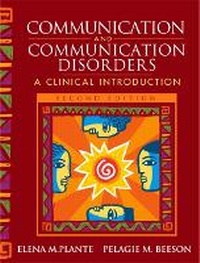
Communication and Communication Disorders
A Clinical Introduction
2nd Edition
Published on 5. June 2003
Book
Paperback/Softback
360 pages
978-0-205-38922-3 (ISBN)
Description
In this current and well-organized text, Plante and Beeson provide an introduction to the field of Communication Disorders that engages students' interests in professional practice and welcomes them into the major. The text presents a lifespan perspective on disorders from infancy through geriatrics, covering both normal development and disorders. Each chapter reflects insights gained from first-hand clinical, research, and teaching experience across a variety of clinical populations. The focus of the professions of speech-language pathology and audiology are conveyed through clinical cases, discussion of professional issues, and vignettes of professional interactions in a variety of work settings. This broad-based introduction presents the range of content central to the professions, yet maintains a consistent, easy-to-comprehend style and unified voice.
More details
Edition
2nd edition
Language
English
Place of publication
United States
Publishing group
Pearson Education (US)
Target group
Professional and scholarly
Dimensions
Height: 236 mm
Width: 180 mm
Thickness: 17 mm
Weight
539 gr
ISBN-13
978-0-205-38922-3 (9780205389223)
Copyright in bibliographic data and cover images is held by Nielsen Book Services Limited or by the publishers or by their respective licensors: all rights reserved.
Schweitzer Classification
Other editions
New editions
Elena M. Plante | Pelagie M. Beeson
Communication and Communication Disorders
A Clinical Introduction
Book
08/2007
3rd Edition
Pearson
€106.65
Article exhausted; check for reprint
Previous edition

Elena M. Plante | Pelagie M. Beeson
Communication and Communication Disorders
A Clinical Introduction
Book
06/1999
Pearson
€73.22
Article exhausted; check for reprint
Content
Each chapter concludes with "Clinical Problem Solving" and "References."
1. Introduction to the Professions of Audiology and Speech-Language Pathology.
Normal Communication.
Six Individuals with Communication Impairment.
Classification of Communication Disorders.
Careers in Communication Disorders.
2. The Biological Foundations of Speech and Language.
The Vocal Mechanism.
The Articulatory Mechanisms.
The Nervous System.
The Hearing Mechanism.
3. Sounds in Communication.
Acoustic Aspects of Sounds.
The Spoken Sounds of Communication.
Development of the Sound System.
4. Disorders of Articulation.
Types of Articulation Errors.
Articulation Disorders in Children.
Evaluation of Childhood Articulation Disorders.
Articulation Therapy for Children.
Acquired Articulation Disorders in Adults.
Augmentative Communication Systems.
5. Disorders of Fluency.
Normal Disfluency versus Stuttering.
Stuttering in the Population.
Definitions.
Theories of Stuttering.
Evaluation of Developmental Stuttering.
Stuttering Therapy.
Other Disorders of Fluency.
6. Disorders of the Voice and Swallowing Disorders (Julie Barkmeier).
Voice Disorders.
Voice Disorders Related to Vocal Fold Tissue Changes.
Neurological Voice Disorders.
Voice Assessment and Management.
Swallowing Disorders.
7. Language.
The Components of Language.
Approaches to the Study of Language Acquisition.
Language Development from Sounds to Sentences.
8. Disorders of Language in Children.
Language Differences.
Early Signs of a Language Disorder.
Developmental Language Disorders.
Disorders That Impact Language.
Evaluation of Language Disorders.
Language Therapy.
9. Disorders of Language in Adults.
Aphasia.
Right-Hemisphere Communication Disorders.
Dementia.
10. The Biological Foundations of Hearing (Theodore Glattke).
Structure and Function of the Ear.
Outer Ear.
Middle Ear.
Inner Ear.
Cochlear Structure and Function.
Auditory Connections in the Brain.
Clinical Problem Solving.
11. Disorders of Hearing in Children (Anne Marie Tharpe).
Auditory Pathologies.
Degree of Hearing Loss and Its Effect on Communication.
Audiological Testing.
Management of Children with Hearing Impairment.
12. Disorders of Hearing in Adults (Linda Norrix and Frances P. Harris).
Conductive Hearing Loss.
Sensorineural Hearing Loss.
Mixed Hearing Impairment.
Psychosocial Impact of Hearing Loss.
Audiological Evaluation.
Management Strategies.
13. Professional Issues.
Clinical Settings.
Interdisciplinary Interactions.
The Professional Association: The American Speech-Language-Hearing Association.
Trends in the Profession.
Glossary.
Index.
1. Introduction to the Professions of Audiology and Speech-Language Pathology.
Normal Communication.
Six Individuals with Communication Impairment.
Classification of Communication Disorders.
Careers in Communication Disorders.
2. The Biological Foundations of Speech and Language.
The Vocal Mechanism.
The Articulatory Mechanisms.
The Nervous System.
The Hearing Mechanism.
3. Sounds in Communication.
Acoustic Aspects of Sounds.
The Spoken Sounds of Communication.
Development of the Sound System.
4. Disorders of Articulation.
Types of Articulation Errors.
Articulation Disorders in Children.
Evaluation of Childhood Articulation Disorders.
Articulation Therapy for Children.
Acquired Articulation Disorders in Adults.
Augmentative Communication Systems.
5. Disorders of Fluency.
Normal Disfluency versus Stuttering.
Stuttering in the Population.
Definitions.
Theories of Stuttering.
Evaluation of Developmental Stuttering.
Stuttering Therapy.
Other Disorders of Fluency.
6. Disorders of the Voice and Swallowing Disorders (Julie Barkmeier).
Voice Disorders.
Voice Disorders Related to Vocal Fold Tissue Changes.
Neurological Voice Disorders.
Voice Assessment and Management.
Swallowing Disorders.
7. Language.
The Components of Language.
Approaches to the Study of Language Acquisition.
Language Development from Sounds to Sentences.
8. Disorders of Language in Children.
Language Differences.
Early Signs of a Language Disorder.
Developmental Language Disorders.
Disorders That Impact Language.
Evaluation of Language Disorders.
Language Therapy.
9. Disorders of Language in Adults.
Aphasia.
Right-Hemisphere Communication Disorders.
Dementia.
10. The Biological Foundations of Hearing (Theodore Glattke).
Structure and Function of the Ear.
Outer Ear.
Middle Ear.
Inner Ear.
Cochlear Structure and Function.
Auditory Connections in the Brain.
Clinical Problem Solving.
11. Disorders of Hearing in Children (Anne Marie Tharpe).
Auditory Pathologies.
Degree of Hearing Loss and Its Effect on Communication.
Audiological Testing.
Management of Children with Hearing Impairment.
12. Disorders of Hearing in Adults (Linda Norrix and Frances P. Harris).
Conductive Hearing Loss.
Sensorineural Hearing Loss.
Mixed Hearing Impairment.
Psychosocial Impact of Hearing Loss.
Audiological Evaluation.
Management Strategies.
13. Professional Issues.
Clinical Settings.
Interdisciplinary Interactions.
The Professional Association: The American Speech-Language-Hearing Association.
Trends in the Profession.
Glossary.
Index.