

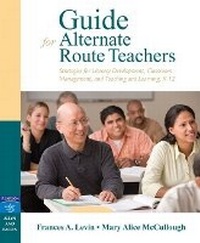
Guide for Alternate Route Teachers
Strategies for Literacy Development, Classroom Management and Teaching and Learning, K-12
Published on 18. October 2007
Book
Paperback/Softback
192 pages
978-0-205-51571-4 (ISBN)
Description
Read how this book can help you become a better teacher in your first year of teaching...
Unlike any other book on the market, Guide for Alternate Route Teachers: Strategies for Literacy Development, Classroom Management, and Teaching and Learning, K-12 offers guidance for professionals in all content areas (K-12) who are beginning new careers in teaching through the alternate route certification process.
This unique book is designed to address all of the important topics that new teachers encounter, including classroom management, literacy, inclusion, and working with English learners. The overarching goal of this resource is to provide alternate route teachers with the confidence and basic knowledge they need to begin their new careers and their responsibilities as teachers.
Why Reviewers Think This is a Unique Resource....
"The emphasis on serving all students is admirable. By including information about the inclusive classroom and concomitant teaching strategies, the authors are telling new teachers that this is the norm, and that being prepared to serve all students from the get-go is essential. I applaud them for including this emphasis in their book... I believe this book will be a great resource for alternative route teachers and for all new teachers, as well."
- Mary Glenn Rinne, Indiana Department of Education
What Makes This Book the First of its Kind ...
Two chapters are totally devoted to literacy development, with hands-on strategies and ready-to-use materials that will help teachers understand how to teach literacy and how to help students understand their content area textbooks.
Provides a strong knowledge base in inclusive education.
Addresses the importance of the home - school connection.
Offers information and strategies for understanding cultural differences, teaching English Language Learners, Students with Special Needs and differentiating instruction for all students.
Practical suggestions and strategies that can be immediately implemented.
Alignment of teaching practices with state and national tests and standards.
Includes strategies for literacy teaching and learning across the curriculum.
More details
Language
English
Place of publication
United States
Publishing group
Pearson Education (US)
Target group
Professional and scholarly
Dimensions
Height: 232 mm
Width: 191 mm
Weight
347 gr
ISBN-13
978-0-205-51571-4 (9780205515714)
Copyright in bibliographic data and cover images is held by Nielsen Book Services Limited or by the publishers or by their respective licensors: all rights reserved.
Schweitzer Classification
Other editions
New editions
Frances Levin | Mary Alice McCullough
Guide for Alternate Route Teachers
Strategies for Literacy Development, Classroom Management and Teaching and Learning, K-12
Book
07/2011
2nd Edition
Pearson
€48.88
Article is exhausted; no reprint
Content
Chapter 1 -What are the Expectations for Teachers in Today's Schools?
The job description of a teacher has radically changed over the years. This chapter is intended to clarify for teachers just what will be expected of them once they have accepted the challenge of becoming a classroom teacher. Also included are suggestions for meeting the expectations of administrators, supervisors, parents, and students.
? Changes in Teacher Expectations: A Historical Perspective
? What do Administrators Expect of New Teachers
? What do Content Supervisors Expect of New Teachers?
? What do Students Expect of Their Teachers?
? What do Parents Expect of Their Children's Teachers?
? What Should You Expect as a New Teacher?
? What are Your Personal Expectations?
? What can New Teachers do to Meet Expectations? (Before School Begins,
Throughout the School Year, and At the End of the School Year)
? The First Day: Setting the Expectations
? Advice from the Field
? References
? Models
Chapter 2 - Classroom Management
This chapter begins with a clarification of how the concept of classroom management has changed over time and includes a wide range of management strategies and implementation models.
? The Importance of Good Classroom Management
? Identifying Your Management Needs
? Managing Instructional Space
? Managing Daily Classroom Operations
? Managing Time and Instruction
? Managing Paraprofessionals
? Managing Behavior
Approaches to Classroom Management
Identifying Your Management Style
Developing a Behavioral Management Plan
Teaching Good Behavior
Correcting Behavioral Problems
Handling Severe Discipline Problems
Dealing with Students Who Are Out of Control
Dealing with Problems Beyond the Teacher's Scope
Rewarding Good Performance and Behavior
? Advice from the Field
? Additional Resources
? References
? Models
Chapter 3 - Planning for Success: Lesson and Unit Planning and Design
This chapter covers the pragmatics of selecting, designing, and developing effective lessons and units of instruction. Featured in this chapter is the step-by-step process of lesson and unit design as well as a clarification of how to align lessons and units with local, state, and national standards.
? Why Plan?
? Where Do I Begin?
? Planning Units of Instruction
? Planning Unit Lessons
? On-line Resources
? Incorporating Technology Into Your Plans
? Putting Planning Into Perspective
? References
? Advice from the Field
? Models
Chapter 4 - Evaluating Student Knowledge and Performance
This chapter begins with a historical overview of how the evaluation of students has changed over time. Included in this chapter are practical strategies and tools that teachers can use to assess and monitor both their teaching and their students' learning.
? How Student Evaluation Has Changed Over Time
? Types of Assessments
? Selecting Appropriate Assessment Tools
? Developing Effective Test Questions
? Making Sense of Assessments
? Designing Authentic Assessment Tools
? Using Portfolios to Assess Student Learning
? Using Assessments to Monitor Student Progress and Inform Instruction
? Using Assessments to Differentiate Instruction
? Assessing Young Readers
? Sharing the Results
? The Power of Assessments
? Additional Resources
? Advice from the Field
? References
? Models
Chapter 5 - Literacy Instruction K-12
This chapter begins with a clarification of what Balanced Literacy is and with an explanation of why it has come to be the strategy preferred by most educators for teaching children how to read, write, speak, and think effectively. Included are specific suggestions and strategies for setting up and running a successful, comprehensive Language of Arts Program.
? Background
? What is Balanced Literacy?
? What are the Components of a Balanced Literacy Program?
? What We Want Our Children to Know and Be Able to Do
? Using the Balanced Literacy Approach to Teach Children to Read
? Using Independent Activities to Support Student Learning
? Using the Balanced Literacy Approach to Teach Children to Write
? Activities in a Balanced Literacy Classroom
? Managing the Language Arts Block in Elementary School
? Advice from the Field
? Differentiating Instruction for Struggling Readers
? Differentiating Instruction for English Language Learners
? References
? Models
Chapter 6 - Teaching Literacy Across the Curriculum
This chapter assesses the role teachers in all content areas (k-12) have in the development of their students' literacy. Provided are sample lesson plans demonstrating how teachers in the various content areas can support literacy learning and development in their classes.
? Background: Defining Content Literacy
? What Elementary Teachers Can do to Support Content Literacy
? How Middle and Secondary Content Teachers Can Support Content
Literacy
? Challenges in Content Literacy
? Elements of a Strong Lesson
? Literacy Strategies
? Advice from the Field
? Differentiating Instruction for English Language Learners
? References
? Models
Chapter 7 -Meeting Standards: Preparing Students for Success on Standardized Tests
Because teachers are being held accountable for their students' performance on local, state and national standardized tests, it's important that teachers have an understanding of the tests and what their students need to know and be able to do to be successful on them. This chapter addresses these issues and provides teachers with strategies that they can incorporate into their curriculum that will set their students up for success.
? Reconciling Standardized Testing and Learner-centered Teaching Practices
? Identifying Performance Expectations: Understanding What Students Need
to Know and Be Able to Do
? Assessing Student Test-taking Behaviors
? Using Test Scores to Inform Instruction
? Setting Students Up for Success: Strategies for Overcoming Obstacles to
Student Success on Standardized Tests
? Making Test Day an Enjoyable Experience
? Teachers as Resources
? Additional Resources
? References
? Models
Chapter 8 - Honoring Diversity: Meeting the Needs of All Your Students
This chapter provides tools that teachers can use to identify the individual needs of their students as well as some practical suggestions for dealing with diversity, differentiating instruction, and for creating a culture of tolerance and acceptance.
? Background
? Understanding Cultural Differences
? What is Cultural Diversity?
? English Language Learners
? Understanding the Learning Styles of Your Students
? Students with Special Needs
? Advice from the Field
? Differentiating Instruction for English Language Learners
? References
? Models
Chapter 9 -Teaching in an Inclusive Environment
This chapter provides an understanding of the historical background of inclusive education. Also included is a clarification of inclusive education as well as strategies for creating and teaching in an inclusive environment.
? What is Inclusive Education?
? Why is Inclusive Education Important?
? Creating a Culture of Inclusion
? Co-managing an Inclusive Classroom: How General and Special Education
Teachers Can Work Together Effectively
? Planning: The Key to Success
Planning the Curriculum
Planning for Individual Differences
Planning for Problems
Instructional Strategies
? Accommodating Students with Disabilities
? Resources for Inclusion Teachers: The Child Study Team, IEPs, Colleagues
and Parents, Local, State, and National Organizations
? Advice from the Field - Frequently Asked Questions
? Additional Resources
? References
? Models
Chapter 10 -The Home-School Connection
This chapter stresses the importance of developing a partnership between parents, teachers, and students and provides teachers with suggestions for making and sustaining relationships.
? Background: Defining the Importance of the Home-School Connection
? Communicating with Parents and Guardians
? Building Mutual Trust
? Staying Connected
? Parent/Teacher Conference
? Student-led Conferences
? Standards for Home-School Connections
? Advice from the Field
? Communicating with Non-English Speaking Parents
? References
? Models
The job description of a teacher has radically changed over the years. This chapter is intended to clarify for teachers just what will be expected of them once they have accepted the challenge of becoming a classroom teacher. Also included are suggestions for meeting the expectations of administrators, supervisors, parents, and students.
? Changes in Teacher Expectations: A Historical Perspective
? What do Administrators Expect of New Teachers
? What do Content Supervisors Expect of New Teachers?
? What do Students Expect of Their Teachers?
? What do Parents Expect of Their Children's Teachers?
? What Should You Expect as a New Teacher?
? What are Your Personal Expectations?
? What can New Teachers do to Meet Expectations? (Before School Begins,
Throughout the School Year, and At the End of the School Year)
? The First Day: Setting the Expectations
? Advice from the Field
? References
? Models
Chapter 2 - Classroom Management
This chapter begins with a clarification of how the concept of classroom management has changed over time and includes a wide range of management strategies and implementation models.
? The Importance of Good Classroom Management
? Identifying Your Management Needs
? Managing Instructional Space
? Managing Daily Classroom Operations
? Managing Time and Instruction
? Managing Paraprofessionals
? Managing Behavior
Approaches to Classroom Management
Identifying Your Management Style
Developing a Behavioral Management Plan
Teaching Good Behavior
Correcting Behavioral Problems
Handling Severe Discipline Problems
Dealing with Students Who Are Out of Control
Dealing with Problems Beyond the Teacher's Scope
Rewarding Good Performance and Behavior
? Advice from the Field
? Additional Resources
? References
? Models
Chapter 3 - Planning for Success: Lesson and Unit Planning and Design
This chapter covers the pragmatics of selecting, designing, and developing effective lessons and units of instruction. Featured in this chapter is the step-by-step process of lesson and unit design as well as a clarification of how to align lessons and units with local, state, and national standards.
? Why Plan?
? Where Do I Begin?
? Planning Units of Instruction
? Planning Unit Lessons
? On-line Resources
? Incorporating Technology Into Your Plans
? Putting Planning Into Perspective
? References
? Advice from the Field
? Models
Chapter 4 - Evaluating Student Knowledge and Performance
This chapter begins with a historical overview of how the evaluation of students has changed over time. Included in this chapter are practical strategies and tools that teachers can use to assess and monitor both their teaching and their students' learning.
? How Student Evaluation Has Changed Over Time
? Types of Assessments
? Selecting Appropriate Assessment Tools
? Developing Effective Test Questions
? Making Sense of Assessments
? Designing Authentic Assessment Tools
? Using Portfolios to Assess Student Learning
? Using Assessments to Monitor Student Progress and Inform Instruction
? Using Assessments to Differentiate Instruction
? Assessing Young Readers
? Sharing the Results
? The Power of Assessments
? Additional Resources
? Advice from the Field
? References
? Models
Chapter 5 - Literacy Instruction K-12
This chapter begins with a clarification of what Balanced Literacy is and with an explanation of why it has come to be the strategy preferred by most educators for teaching children how to read, write, speak, and think effectively. Included are specific suggestions and strategies for setting up and running a successful, comprehensive Language of Arts Program.
? Background
? What is Balanced Literacy?
? What are the Components of a Balanced Literacy Program?
? What We Want Our Children to Know and Be Able to Do
? Using the Balanced Literacy Approach to Teach Children to Read
? Using Independent Activities to Support Student Learning
? Using the Balanced Literacy Approach to Teach Children to Write
? Activities in a Balanced Literacy Classroom
? Managing the Language Arts Block in Elementary School
? Advice from the Field
? Differentiating Instruction for Struggling Readers
? Differentiating Instruction for English Language Learners
? References
? Models
Chapter 6 - Teaching Literacy Across the Curriculum
This chapter assesses the role teachers in all content areas (k-12) have in the development of their students' literacy. Provided are sample lesson plans demonstrating how teachers in the various content areas can support literacy learning and development in their classes.
? Background: Defining Content Literacy
? What Elementary Teachers Can do to Support Content Literacy
? How Middle and Secondary Content Teachers Can Support Content
Literacy
? Challenges in Content Literacy
? Elements of a Strong Lesson
? Literacy Strategies
? Advice from the Field
? Differentiating Instruction for English Language Learners
? References
? Models
Chapter 7 -Meeting Standards: Preparing Students for Success on Standardized Tests
Because teachers are being held accountable for their students' performance on local, state and national standardized tests, it's important that teachers have an understanding of the tests and what their students need to know and be able to do to be successful on them. This chapter addresses these issues and provides teachers with strategies that they can incorporate into their curriculum that will set their students up for success.
? Reconciling Standardized Testing and Learner-centered Teaching Practices
? Identifying Performance Expectations: Understanding What Students Need
to Know and Be Able to Do
? Assessing Student Test-taking Behaviors
? Using Test Scores to Inform Instruction
? Setting Students Up for Success: Strategies for Overcoming Obstacles to
Student Success on Standardized Tests
? Making Test Day an Enjoyable Experience
? Teachers as Resources
? Additional Resources
? References
? Models
Chapter 8 - Honoring Diversity: Meeting the Needs of All Your Students
This chapter provides tools that teachers can use to identify the individual needs of their students as well as some practical suggestions for dealing with diversity, differentiating instruction, and for creating a culture of tolerance and acceptance.
? Background
? Understanding Cultural Differences
? What is Cultural Diversity?
? English Language Learners
? Understanding the Learning Styles of Your Students
? Students with Special Needs
? Advice from the Field
? Differentiating Instruction for English Language Learners
? References
? Models
Chapter 9 -Teaching in an Inclusive Environment
This chapter provides an understanding of the historical background of inclusive education. Also included is a clarification of inclusive education as well as strategies for creating and teaching in an inclusive environment.
? What is Inclusive Education?
? Why is Inclusive Education Important?
? Creating a Culture of Inclusion
? Co-managing an Inclusive Classroom: How General and Special Education
Teachers Can Work Together Effectively
? Planning: The Key to Success
Planning the Curriculum
Planning for Individual Differences
Planning for Problems
Instructional Strategies
? Accommodating Students with Disabilities
? Resources for Inclusion Teachers: The Child Study Team, IEPs, Colleagues
and Parents, Local, State, and National Organizations
? Advice from the Field - Frequently Asked Questions
? Additional Resources
? References
? Models
Chapter 10 -The Home-School Connection
This chapter stresses the importance of developing a partnership between parents, teachers, and students and provides teachers with suggestions for making and sustaining relationships.
? Background: Defining the Importance of the Home-School Connection
? Communicating with Parents and Guardians
? Building Mutual Trust
? Staying Connected
? Parent/Teacher Conference
? Student-led Conferences
? Standards for Home-School Connections
? Advice from the Field
? Communicating with Non-English Speaking Parents
? References
? Models