

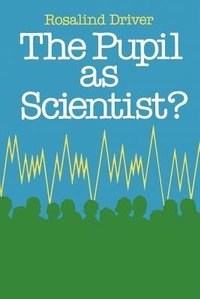
PUPIL AS SCIENTIST
Published on 16. June 1983
Book
Paperback/Softback
100 pages
978-0-335-10178-8 (ISBN)
Description
The Pupil as Scientist intends to give teachers and student teachers a better understanding of the thinking of young adolescent pupils in science lessons and to indicate the difficulties such pupils have in understanding the more abstract or formal ideas with which they are presented. It is practical in its orientation as the issues discussed are illustrated with examples drawn from dialogue and observations made in science classes.
One of Rosalind Driver's main themes is that science teachers must recognise more fully and act upon the preconceptions and alternative frameworks which pupils bring to their study of science.
Despite is practical orientation, the book addresses some fundamental questions arguing for a reappraisal of science teaching in secondary schools in the light of developments in cognitive psychology and philosophy of science.
This is an accessible, authoritative and very helpful book for all concerned with the teaching of science in the secondary years.
One of Rosalind Driver's main themes is that science teachers must recognise more fully and act upon the preconceptions and alternative frameworks which pupils bring to their study of science.
Despite is practical orientation, the book addresses some fundamental questions arguing for a reappraisal of science teaching in secondary schools in the light of developments in cognitive psychology and philosophy of science.
This is an accessible, authoritative and very helpful book for all concerned with the teaching of science in the secondary years.
More details
Other editions
Additional editions
Rosalind Driver
Pupil As Scientist
E-Book
06/1983
1st Edition
McGraw-Hill Education
€63.89
Available for download
Content
The fallacy of induction in science teaching; learning to observe; making meanings; children's beliefs and classroom learning; invention and imagination; learning science and theories of cognitive development; logic and intuition in children's thinking; from theory to practice; appendix.