

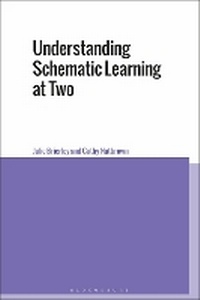
Understanding Schematic Learning at Two
Published on 20. September 2018
Book
Paperback/Softback
208 pages
978-1-350-08528-2 (ISBN)
Description
Providing a deeper understanding of how two-year-old children learn, Understanding Schematic Learning at Two highlights how a schematic pedagogy can be used to recognise and support two-year-old children's thinking and understanding of the world around them. Over a 16-week period four children's individual experiences and stories are constructed, providing detailed written and photographic evidence of the unfolding schematic learning journeys of each. Following the children from nursery setting to their home environments, readers gain a greater understanding of how, even at such a young age, children are intrinsically motivated to select resources from the environment to support their schematic pursuits. The book focuses on the importance of an appropriate environment and informed pedagogy to support two-year-old children's schematic explorations and the significant role adults play in developing these.
Beginning by highlighting the important links between learning opportunities, environment and the role of the adults, Brierley and Nutbrown briefly trace the origins of schema and provide an overview of some definitions and characteristics of schemas. This leads to an exploration of how the early years landscape has been influenced through a research, practice and government policy initiatives, concluding that future focus must foreground how children learn. Understanding Schematic Learning at Two highlights how recognising and valuing young children's schemas can provide their supportive adults with the opportunity and ability to acknowledge two-year-old children's capability to actively construct and develop an understanding of the world they live in.
Beginning by highlighting the important links between learning opportunities, environment and the role of the adults, Brierley and Nutbrown briefly trace the origins of schema and provide an overview of some definitions and characteristics of schemas. This leads to an exploration of how the early years landscape has been influenced through a research, practice and government policy initiatives, concluding that future focus must foreground how children learn. Understanding Schematic Learning at Two highlights how recognising and valuing young children's schemas can provide their supportive adults with the opportunity and ability to acknowledge two-year-old children's capability to actively construct and develop an understanding of the world they live in.
Reviews / Votes
Supporting toddlers' schematic learning challenges adults to be knowledgeable about schema theory and attuned to toddlers' sense of agency and motivations that drive play. This new book explores these aspects, and analyses rich examples of young children's schematic explorations to highlight toddlers as intentional meaning-makers of the world around them. * Maria Cooper, Lecturer, The University of Auckland, New Zealand * From our own research, we know how enthusiastic practitioners working with two year olds are about ways to extend their practice, and that many had already considered the concept of schema to help them to support children's learning. This book will therefore undoubtedly be welcomed and will help to deepen practitioners' understanding of how two year olds learn. Theoretical underpinnings are set out carefully and clearly and the detailed case studies provide rich insights into the interconnectedness of young children's learning, showing that two year olds are indeed "wondering not wandering" through the world around them. * Janet Georgeson, Research Fellow, Plymouth Institute of Education, Plymouth University, UK *More details
Language
English
Place of publication
London
United Kingdom
Publishing group
Bloomsbury Publishing PLC
Target group
College/higher education
Illustrations
30 bw illus
Dimensions
Height: 234 mm
Width: 156 mm
Weight
299 gr
ISBN-13
978-1-350-08528-2 (9781350085282)
Copyright in bibliographic data and cover images is held by Nielsen Book Services Limited or by the publishers or by their respective licensors: all rights reserved.
Schweitzer Classification
Other editions
Additional editions
Julie Brierley | Cathy Nutbrown
Understanding Schematic Learning at Two
E-Book
03/2017
1st Edition
Bloomsbury Academic
€39.99
Available for download
Julie Brierley | Cathy Nutbrown
Understanding Schematic Learning at Two
E-Book
03/2017
1st Edition
Bloomsbury Academic
€39.99
Available for download
Persons
Julie Brierley is Lecturer in Early Years in the School of Education at the University of Hull, UK.
Cathy Nutbrown is Professor and Director of Early Childhood Education in The School of Education at The University of Sheffield, UK.
Cathy Nutbrown is Professor and Director of Early Childhood Education in The School of Education at The University of Sheffield, UK.
Content
List of Figures
About the Authors
Acknowledgements
Introduction
Part I: The Early Years: Research, Policy and Theory
1. Young Children as Actors in Their Own Learning
2. Schema Theory
3. Early Years Policies and Early Childhood Pedagogies
4. The Cultural Nuances of Families' Lives
Part II: The Stories of Four Young Children's Schematic Explorations within Their Lived Experiences
5. Containing and Dynamic Vertical Trajectory Schema: Abby's Story
6. Dynamic Back and Forth, Containing and Enveloping Schemas: Hannah's Story
7. Containing, Enveloping and Transporting Schemas: Emily's Story
8. Going Around and Through a Boundary Schema: George's Story
Concluding Thoughts
References
Author Index
Subject Index
About the Authors
Acknowledgements
Introduction
Part I: The Early Years: Research, Policy and Theory
1. Young Children as Actors in Their Own Learning
2. Schema Theory
3. Early Years Policies and Early Childhood Pedagogies
4. The Cultural Nuances of Families' Lives
Part II: The Stories of Four Young Children's Schematic Explorations within Their Lived Experiences
5. Containing and Dynamic Vertical Trajectory Schema: Abby's Story
6. Dynamic Back and Forth, Containing and Enveloping Schemas: Hannah's Story
7. Containing, Enveloping and Transporting Schemas: Emily's Story
8. Going Around and Through a Boundary Schema: George's Story
Concluding Thoughts
References
Author Index
Subject Index