

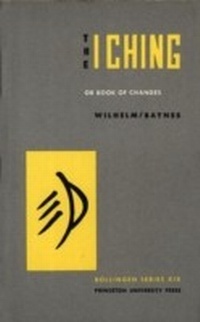
I Ching or Book of Changes
Description

The bestselling English translation of the ancient classic of Chinese divination that has inspired millions with its timeless insights into the changing nature of existence
The I Ching, or Book of Changes, has exerted a living influence in China for thousands of years. Today, it continues to enrich the lives of readers around the world. First set down in the dawn of history as a book of oracles, it grew into a book of wisdom with the inclusion of commentaries on its oracular pronouncements, eventually becoming one of the Five Classics of Confucianism and providing a common source for both Confucianist and Taoist philosophy. This edition of the I Ching is the most authoritative and complete translation available, preserving the spirit of the ancient text while providing a vital key for anyone who seeks to live harmoniously with the immutable law of change.
The book presents the sixty-four hexagrams of the I Ching along with their texts and interpretations in a format especially designed for easy reference. Unlike many editions of the I Ching, it also features the Ten Wings, supplemental writings traditionally ascribed to Confucius that provide indispensable insights into the symbolic structure of the hexagrams and their place in a cosmology where change is the only constant.
With an illuminating foreword by C. G. Jung and an informative introduction by Richard Wilhelm, this beautiful edition of the I Ching shares the essence of wisdom and a true understanding of life.
More details
Other editions
Additional editions
Person
Content
- Cover Page
- Title Page
- Copyright Page
- Contents
- Preface to the Third Edition by Hellmut Wilhelm
- The Major Divisions of the Material [Chart]
- Foreword by C. G. Jung
- Translator's Note by C. F. Baynes
- Preface by Richard Wilhelm
- Introduction by Richard Wilhelm
- 1. The Use of the Book of Changes
- 2. The History of the Book of Changes
- 3. The Arrangement of the Translation
- Book I: THE TEXT
- PART I
- 1. Ch'ien / The Creative
- 2. K'un / The Receptive
- 3. Chun / Difficulty at the Beginning
- 4. Mêng / Youthful Folly
- 5. Hsü / Waiting (Nourishment)
- 6. Sung / Conflict
- 7. Shih / The Army
- 8. Pi / Holding Together [Union]
- 9. Hsiao Ch'u / The Taming Power of the Small
- 10. Lü / Treading [Conduct]
- 11. T'ai / Peace
- 12. P'i / Standstill [Stagnation]
- 13. T'ung Jên / Fellowship with Men
- 14. Ta Yu / Posession in Great Measure
- 15. Ch'ien / Modesty
- 16. Yü / Enthusiasm
- 17. Sui / Following
- 18. Ku / Work on What Has Been Spoiled [Decay]
- 19. Lin / Approach
- 20. Kuan / Contemplation (View)
- 21. Shih Ho / Biting Through
- 22. Pi / Grace
- 23. Po / Splitting Apart
- 24. Fu / Return (The Turning Point)
- 25. Wu Wang / Innocence (The Unexpected)
- 26. Ta Ch'u / The Taming Power of the Great
- 27. I / The Corners of the Mouth
- 28. Ta Kuo / Preponderance of the Great
- 29. K'an / The Abysmal (Water)
- 30. Li / The Clinging, Fire
- PART II
- 31. Hsien / Influence (Wooing)
- 32. Hêng / Duration
- 33. Tun / Retreat
- 34. Ta Chuang / The Power of the Great
- 35. Chin / Progress
- 36. Ming I / Darkening of the Light
- 37. Chia Jên / The Family [The Clan]
- 38. K'uei / Opposition
- 39. Chien / Obstruction
- 40. Hsieh / Deliverance
- 41. Sun / Decrease
- 42. I / Increase
- 43. Kuai / Break-through (Resoluteness)
- 44. Kou / Coming to Meet
- 45. Ts'ui / Gathering Together [Massing]
- 46. Shêng / Pushing Upward
- 47. K'un / Oppression (Exhaustion)
- 48. Ching / The Well
- 49. Ko / Revolution (Molting)
- 50. Ting / The Caldron
- 51. Chên / The Arousing (Shock, Thunder)
- 52. Kên / Keeping Still, Mountain
- 53. Chien / Development (Gradual Progress)
- 54. Kuei Mei / The Marrying Maiden
- 55. Fêng / Abundance [Fullness]
- 56. Lü / The Wanderer
- 57. Sun / The Gentle (Penetrating, Wind)
- 58. Tui / The Joyous, Lake
- 59. Huan / Dispersion [Dissolution]
- 60. Chieh / Limitation
- 61. Chung Fu / Inner Truth
- 62. Hsiao Kuo / Preponderance of the Small
- 63. Chi Chi / After Completion
- 64. Wei Chi / Before Completion
- Book II: THE MATERIAL
- Introduction
- Shuo Koa / Discussion of the Trigrams
- CHAPTER I
- CHAPTER II
- CHAPTER III
- Ta Chuan: The Great Treatise [Great Commentary]
- PART I
- A. UNDERLYING PRINCIPLES
- I. The Changes in the Universe and in the Book of Changes
- II. On the Composition and the Use of the Book of Changes
- B. Detailed Discussion
- III. On the Words Attached to the Hexagrams and the Lines
- IV. The Deeper Implications of the Book of Changes
- V. Tao in Its Relation to the Light Power and to the Dark Power
- VI. Tao as Applied to the Book of Changes
- VII. The Effects of the Book of Changes on Man
- VIII. On the Use of the Appended Explanations
- IX. On the Oracle
- X. The Fourfold Use of the Book of Changes
- XI. On the Yarrow Stalks and the Hexagrams and Lines
- XII. Summary
- PART II
- I. On the Signs and Lines, on Creating and Acting
- II. History of Civilization
- III. On the Structure of the Hexagrams
- IV. On the Nature of the Trigrams
- V. Explanation of Certain Lines
- VI. On the Nature of the Book of Changes in General
- VII. The Relation of Certain Hexagrams to Character Formation
- VIII. On the Use of the Book of Changes: The Lines
- IX. The Lines (continued)
- X. The Lines (continued)
- XI. The Value of Caution as a Teaching of the Book of Changes
- XII. Summary
- The Structure of the Hexagrams
- 1. General Considerations
- 2. The Eight Trigrams and Their Application
- 3. The Time
- 4. The Places
- 5. The Character of the Lines
- 6. The Relationships of the Lines to One Another
- 7. The Rulers of the Hexagrams
- Book III: THE COMMENTARIES
- PART I
- 1. Ch'ien / The Creative
- 2. K'un / The Receptive
- 3. Chun / Difficulty at the Beginning
- 4. Mêng / Youthful Folly
- 5. Hsü / Waiting (Nourishment)
- 6. Sung / Conflict
- 7. Shih / The Army
- 8. Pi / Holding Together [Union]
- 9. Hsiao Ch'u / The Taming Power of the Small
- 10. Lü / Treading [Conduct]
- 11. T'ai / Peace
- 12. P'i / Standstill [Stagnation]
- 13. T'ung Jên / Fellowship with Men
- 14. Ta Yu / Posession in Great Measure
- 15. Ch'ien / Modesty
- 16. Yü / Enthusiasm
- 17. Sui / Following
- 18. Ku / Work on What Has Been Spoiled [Decay]
- 19. Lin / Approach
- 20. Kuan / Contemplation (View)
- 21. Shih Ho / Biting Through
- 22. Pi / Grace
- 23. Po / Splitting Apart
- 24. Fu / Return (The Turning Point)
- 25. Wu Wang / Innocence (The Unexpected)
- 26. Ta Ch'u / The Taming Power of the Great
- 27. I / The Corners of the Mouth
- 28. Ta Kuo / Preponderance of the Great
- 29. K'an / The Abysmal (Water)
- 30. Li / The Clinging, Fire
- PART II
- 31. Hsien / Influence (Wooing)
- 32. Hêng / Duration
- 33. Tun / Retreat
- 34. Ta Chuang / The Power of the Great
- 35. Chin / Progress
- 36. Ming I / Darkening of the Light
- 37. Chia Jên / The Family [The Clan]
- 38. K'uei / Opposition
- 39. Chien / Obstruction
- 40. Hsieh / Deliverance
- 41. Sun / Decrease
- 42. I / Increase
- 43. Kuai / Break-through (Resoluteness)
- 44. Kou / Coming to Meet
- 45. Ts'ui / Gathering Together [Massing]
- 46. Shêng / Pushing Upward
- 47. K'un / Oppression (Exhaustion)
- 48. Ching / The Well
- 49. Ko / Revolution (Molting)
- 50. Ting / The Caldron
- 51. Chên / The Arousing (Shock, Thunder)
- 52. Kên / Keeping Still, Mountain
- 53. Chien / Development (Gradual Progress)
- 54. Kuei Mei / The Marrying Maiden
- 55. Fêng / Abundance [Fullness]
- 56. Lü / The Wanderer
- 57. Sun / The Gentle (Penetrating, Wind)
- 58. Tui / The Joyous, Lake
- 59. Huan / Dispersion [Dissolution]
- 60. Chieh / Limitation
- 61. Chung Fu / Inner Truth
- 62. Hsiao Kuo / Preponderance of the Small
- 63. Chi Chi / After Completion
- 64. Wei Chi / Before Completion
- Appendixes
- I. On Consulting the Oracle
- 1. The Yarrow-Stalk Oracle
- 2. The Coin Oracle
- II. The Hexagrams Arranged by Houses
- III. Key for Identifying the Hexagrams
- Indexes
- I. An Index of the Hexagrams
- II. General Index
