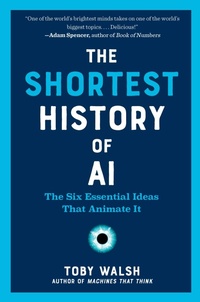
The Shortest History of AI
Description

From a world-leading AI researcher, the history of artificial intelligence told through the six key ways it functions
Since Alan Turing first posed the question ?Can machines think?? artificial intelligence has evolved from a speculative idea to a transformative force. The Shortest History of AI traces this evolution, from Ada Lovelace's visionary work to IBM's groundbreaking defeat of the chess world champion and the revolutionary emergence of ChatGPT.
Revealing how many ?overnight? successes were decades in the making, this accessible and illuminating book tells AI's history through the six main ways it functions:
- It uses symbols to represent common concepts and ideas.
- It chooses its best possible move based on the information it is given.
- It simulates human expertise by following simple rules.
- It learns based on its past experiences.
- It assesses its mistakes and learns to avoid making them again in the future.
- It computes probability based on the evidence it's provided with.
Fast-paced and rich with facts, The Shortest History of AI explores how artificial intelligence is being created?and how it will continue to transform and affect our lives now and in the future.
The Shortest History books deliver thousands of years of history in one riveting, fast-paced read.
More details
Other editions
Additional editions