


Help for the Helper
Description

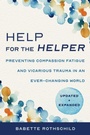
An essential resource for helping professionals, updated for today's challenges.
Since the publication of the first edition of Help for the Helper in 2006, the world has changed. Significantly. Due to existing and growing threats of war, increasing areas of civil unrest, the COVID-19 pandemic, financial collapse, natural disasters, and more, therapists and other helping professionals now often find themselves in a particularly tricky position: They are struggling to personally cope with traumas and massive stresses that are very similar to those experienced by their clients and others they serve.
To address these unique challenges, this revised and expanded edition now includes guidance for helping clients while maintaining therapists' own safety and sanity in crisis situations, managing the usual stresses and challenges during normal times, and tips for dealing with trauma when that is not a therapist's specialty. Topics include:
- the neurophysiology and regulation of arousal
- self-care during shared community/world crises
- maintaining balance and strength
- countertransference
- somatic empathy
- mirroring and mimicry
More details
Other editions
Additional editions
Previous edition
Person
Content
- Intro
- Title
- Contents
- Introduction to the Revised Edition
- The World has Changed
- What is New in this Revised Edition?
- Preface: Using Common Sense
- Introduction to the First Edition, 2006
- Overview
- Organization
- Disclaimer
- Chapter 1: Psychotherapists at Risk
- Theory
- Therapist Strengths and Hazards
- Identifying Terminology
- Countertransference
- Projective Identification
- How About You?
- Skill Building
- Mindfulness
- Chapter 2: Managing the Ties That Bind
- Theory
- Empathy
- The Neurophysiology of Empathy
- Somatic Empathy
- Mirroring and Mimicry
- Skill Building
- Your Personal Empathy Dial
- Facial and Postural Awareness
- Conscious Mirroring
- Unmirroring
- Controlling Empathic Imagery
- Chapter 3: Keeping Calm
- Theory
- The Neurophysiology of Arousal
- Autonomic Nervous System: Precision Regulation
- Skill Building
- Arousal Awareness
- Maintaining Balance and Strength
- Applying Brakes for the Therapist
- How Close Is Too Close?
- Notes for Somatic Psychotherapist and Body Workers
- Strategies for Shifting Arousal Levels
- Chapter 4: Thinking Clearly
- Theory
- The Neurophysiology of Clear Thinking
- Skill Building
- Know Thyself
- Strengthening the Observer
- Editing Self-Talk
- Nurturing Your Work Space
- Structured Self-Care
- Chapter 5: Self-Care During Shared Community/World Crises
- Perspective
- September 11th
- Taking Control when your World Feels Out of Control
- Taking Time Off
- Time Management
- We are All Trauma Therapists Now
- Chapter 6: Concluding Reflections
- Revisiting Projective Identification
- To Each her Own Chair
- Evaluating Risks for Vicarious Trauma
- Reversing the Effects of Vicarious Trauma
- Final Words
- Appendix: Original Pilot Research
- Acknowledgments
- References
- Index
- Praise for Help for the Helper
- About the Author
- Copyright
