

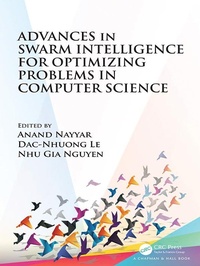
Advances in Swarm Intelligence for Optimizing Problems in Computer Science
1st Edition
Published on 3. October 2018
314 pages
978-0-429-82015-1 (ISBN)
Description

This book provides comprehensive details of all Swarm Intelligence based Techniques available till date in a comprehensive manner along with their mathematical proofs. It will act as a foundation for authors, researchers and industry professionals. This monograph will present the latest state of the art research being done on varied Intelligent Technologies like sensor networks, machine learning, optical fiber communications, digital signal processing, image processing and many more.
More details
Edition
1. Auflage
Language
English
Place of publication
London
United Kingdom
Publishing group
Taylor & Francis Ltd
Target group
College/higher education
Product notice
Reflowable
Illustrations
3 Tables, black and white; 51 Illustrations, black and white
File size
25,93 MB
ISBN-13
978-0-429-82015-1 (9780429820151)
Copyright in bibliographic data and cover images is held by Nielsen Book Services Limited or by the publishers or by their respective licensors: all rights reserved.
Schweitzer Classification
Other editions
Additional editions
Anand Nayyar | Dac-Nhuong Le | Nhu Gia Nguyen
Advances in Swarm Intelligence for Optimizing Problems in Computer Science
Book
09/2018
1st Edition
CRC Press
€232.20
Shipment within 10-20 days
Persons
Anand Nayyar received a PhD degree in Computer Science from Desh Bhagat University, Mandi Gobindgarh. Currently, he is Faculty, Researcher and Scientist in Graduate School at Duy Tan University, Vietnam. He has a total academic teaching experience of 12 years with more than 250 publications in reputed international conferences, journals and book chapters (Indexed By: SCI, SCIE, Scopus, ACM, DBLP). He is a Certified Professional with more than 75 certifications from various IT companies like: CISCO, Microsoft, Oracle, Cyberoam, GAQM, Beingcert.com, ISQTB, EXIN, Google and many more. His areas of interest include: Wireless Sensor Networks, MANETS, Cloud Computing, Network Security, Swarm Intelligence, Machine Learning, Network Simulation, Ethical Hacking, Forensics, Internet of Things (IoT), Big Data, Linux and Open Source and Next Generation Wireless Communications. He is a Programme Committee Member/Technical Committee Member/Reviewer for more than 300 International Conferences to date. He has published 18 books in Computer Science by GRIN, Scholar Press, VSRD Publishing. He has been awarded 20 Awards for Teaching and Research including: Young Scientist, Best Scientist, Exemplary Educationist, Young Researcher and Outstanding Reviewer Award.
Dac-Nhuong Le is PhD, Deputy-Head of Faculty of Information Technology, Haiphong University, Vietnam, and Vice-Director of Information Technology Apply Center at the same university. He is a research scientist at the Research and Development Center of Visualization & Simulation in (CSV), Duy Tan University, Danang, Vietnam. He has more than 45 publications in reputed international conferences, journals and online book chapter contributions (Indexed By: SCI, SCIE, SSCI, Scopus, ACM, DBLP). His areas of research include: evaluation computing and approximate algorithms, network communication, security and vulnerability, network performance analysis and simulation, cloud computing, image processing in biomedical. His core work is in network security, wireless, soft computing, mobile computing and biomedical. Recently, he has been on the technique program committee, the technique reviews, the track chair for international conferences: FICTA 2014, CSI 2014, IC4SD 2015, ICICT 2015, INDIA 2015, IC3T 2015, INDIA 2016, FICTA 2016, IC3T 2016, ICDECT 2016, IUKM 2016, INDIA 2017, FICTA 2017, CISC 2017, ICICC 2018, ICCUT 2018 under Springer-ASIC/LNAI/CISC Series. Presently, he is serving on the editorial board of international journals and he authored six computer science books by Springer, Wiley, CRC Press, Lambert Publication, VSRD Academic Publishing and Scholar Press.
Nhu Gia Nguyen received a PhD degree in Computer Science from Ha Noi University of Science at Vietnam National University, Vietnam. Currently, he is Dean of the Graduate School at Duy Tan University, Vietnam. He has a total academic teaching experience of 18 years with more than 50 publications in reputed international conferences, journals and online book chapter contributions (Indexed By: SCI, SCIE, SSCI, Scopus, ACM, DBLP). His areas of research include: Network Communication, Security and Vulnerability, Network Performance Analysis and Simulation, Cloud Computing, Image Processing in Biomedical. Recently, he has been the technique program committee, the technique reviews, the track chair for international conferences: FICTA 2014, ICICT 2015, INDIA 2015, IC3T 2015, INDIA 2016, FICTA 2016, IC3T 2016, IUKM 2016, INDIA 2017, under Springer-ASIC/LNAI Series. Presently he is Associate Editor of the International Journal of Synthetic Emotions (IJSE).
Dac-Nhuong Le is PhD, Deputy-Head of Faculty of Information Technology, Haiphong University, Vietnam, and Vice-Director of Information Technology Apply Center at the same university. He is a research scientist at the Research and Development Center of Visualization & Simulation in (CSV), Duy Tan University, Danang, Vietnam. He has more than 45 publications in reputed international conferences, journals and online book chapter contributions (Indexed By: SCI, SCIE, SSCI, Scopus, ACM, DBLP). His areas of research include: evaluation computing and approximate algorithms, network communication, security and vulnerability, network performance analysis and simulation, cloud computing, image processing in biomedical. His core work is in network security, wireless, soft computing, mobile computing and biomedical. Recently, he has been on the technique program committee, the technique reviews, the track chair for international conferences: FICTA 2014, CSI 2014, IC4SD 2015, ICICT 2015, INDIA 2015, IC3T 2015, INDIA 2016, FICTA 2016, IC3T 2016, ICDECT 2016, IUKM 2016, INDIA 2017, FICTA 2017, CISC 2017, ICICC 2018, ICCUT 2018 under Springer-ASIC/LNAI/CISC Series. Presently, he is serving on the editorial board of international journals and he authored six computer science books by Springer, Wiley, CRC Press, Lambert Publication, VSRD Academic Publishing and Scholar Press.
Nhu Gia Nguyen received a PhD degree in Computer Science from Ha Noi University of Science at Vietnam National University, Vietnam. Currently, he is Dean of the Graduate School at Duy Tan University, Vietnam. He has a total academic teaching experience of 18 years with more than 50 publications in reputed international conferences, journals and online book chapter contributions (Indexed By: SCI, SCIE, SSCI, Scopus, ACM, DBLP). His areas of research include: Network Communication, Security and Vulnerability, Network Performance Analysis and Simulation, Cloud Computing, Image Processing in Biomedical. Recently, he has been the technique program committee, the technique reviews, the track chair for international conferences: FICTA 2014, ICICT 2015, INDIA 2015, IC3T 2015, INDIA 2016, FICTA 2016, IC3T 2016, IUKM 2016, INDIA 2017, under Springer-ASIC/LNAI Series. Presently he is Associate Editor of the International Journal of Synthetic Emotions (IJSE).
Content
Contents
List of Contributors . . . . . . . . . . . . . . . . . . . . . . . . . . . . . . . . . . . . . . . . . . . . . xiii
Preface . . . . . . . . . . . . . . . . . . . . . . . . . . . . . . . . . . . . . . . . . . . . . . . . . . . . . . . . .xv
1. Evolutionary Computation: Theory and Algorithms . . . . . . . . . . . . . . . .1
Anand Nayyar, Surbhi Garg, Deepak Gupta and Ashish Khanna
1.1 History of Evolutionary Computation . . . . . . . . . . . . . . . . . . . . . .2
1.2 Motivation via Biological Evidence . . . . . . . . . . . . . . . . . . . . . . . . .3
1.3 Why Evolutionary Computing?. . . . . . . . . . . . . . . . . . . . . . . . . . . .5
1.4 Concept of Evolutionary Algorithms . . . . . . . . . . . . . . . . . . . . . . .6
1.5 Components of Evolutionary Algorithms . . . . . . . . . . . . . . . . . . .9
1.6 Working of Evolutionary Algorithms . . . . . . . . . . . . . . . . . . . . . .13
1.7 Evolutionary Computation Techniques and Paradigms. . . . . . . 15
1.8 Applications of Evolutionary Computing . . . . . . . . . . . . . . . . . .21
1.9 Conclusion . . . . . . . . . . . . . . . . . . . . . . . . . . . . . . . . . . . . . . . . . . . .23
References . . . . . . . . . . . . . . . . . . . . . . . . . . . . . . . . . . . . . . . . . . . . 23
2. Genetic Algorithms . . . . . . . . . . . . . . . . . . . . . . . . . . . . . . . . . . . . . . . . . . .26
Sandeep Kumar, Sanjay Jain and Harish Sharma
2.1 Overview of Genetic Algorithms . . . . . . . . . . . . . . . . . . . . . . . . . .26
2.2 Genetic Optimization . . . . . . . . . . . . . . . . . . . . . . . . . . . . . . . . . . .31
2.3 Derivation of Simple Genetic Algorithm . . . . . . . . . . . . . . . . . . .38
2.4 Genetic Algorithms vs. Other Optimization Techniques . . . . . . 42
2.5 Pros and Cons of Genetic Algorithms. . . . . . . . . . . . . . . . . . . . . .44
2.6 Hybrid Genetic Algorithms . . . . . . . . . . . . . . . . . . . . . . . . . . . . . .44
2.7 Possible Applications of Computer Science via Genetic
Algorithms . . . . . . . . . . . . . . . . . . . . . . . . . . . . . . . . . . . . . . . . . . . .45
2.8 Conclusion . . . . . . . . . . . . . . . . . . . . . . . . . . . . . . . . . . . . . . . . . . . .46
References . . . . . . . . . . . . . . . . . . . . . . . . . . . . . . . . . . . . . . . . . . . . 47
3. Introduction to Swarm Intelligence. . . . . . . . . . . . . . . . . . . . . . . . . . . . . .52
Anand Nayyar and Gia Nhu Nguyen
3.1 Biological Foundations of Swarm Intelligence . . . . . . . . . . . . . . .52
3.2 Metaheuristics . . . . . . . . . . . . . . . . . . . . . . . . . . . . . . . . . . . . . . . . .55
3.3 Concept of Swarm . . . . . . . . . . . . . . . . . . . . . . . . . . . . . . . . . . . . . .61
3.4 Collective Intelligence of Natural Animals. . . . . . . . . . . . . . . . . .62
3.5 Concept of Self-Organization in Social Insects. . . . . . . . . . . . . . .67
3.6 Adaptability and Diversity in Swarm Intelligence . . . . . . . . . . .68
3.7 Issues Concerning Swarm Intelligence . . . . . . . . . . . . . . . . . . . . .70
3.8 Future Swarm Intelligence in Robotics - Swarm Robotics . . . . . 71
3.9 Conclusion . . . . . . . . . . . . . . . . . . . . . . . . . . . . . . . . . . . . . . . . . . . .74
References . . . . . . . . . . . . . . . . . . . . . . . . . . . . . . . . . . . . . . . . . . . . 74
4. Ant Colony Optimization . . . . . . . . . . . . . . . . . . . . . . . . . . . . . . . . . . . . . .77
Bandana Mahapatra and Srikanta Pattnaik
4.1 Introduction . . . . . . . . . . . . . . . . . . . . . . . . . . . . . . . . . . . . . . . . . . .78
4.2 Concept of Artificial Ants . . . . . . . . . . . . . . . . . . . . . . . . . . . . . . . .79
4.3 Foraging Behavior of Ants and Estimating Effective Paths . . . . 81
4.4 ACO Metaheuristics . . . . . . . . . . . . . . . . . . . . . . . . . . . . . . . . . . . .85
4.5 ACO Applied Toward Travelling Salesperson Problem. . . . . . . 89
4.6 ACO Framework . . . . . . . . . . . . . . . . . . . . . . . . . . . . . . . . . . . . . . .91
4.7 The Ant Algorithm . . . . . . . . . . . . . . . . . . . . . . . . . . . . . . . . . . . . .93
4.8 Comparison of Ant Colony Optimization Algorithms . . . . . . . .95
4.9 ACO for NP Hard Problems. . . . . . . . . . . . . . . . . . . . . . . . . . . . .100
4.10 Current Trends in ACO. . . . . . . . . . . . . . . . . . . . . . . . . . . . . . . . .103
4.11 Application of ACO in Different Fields . . . . . . . . . . . . . . . . . . .104
4.12 Conclusion . . . . . . . . . . . . . . . . . . . . . . . . . . . . . . . . . . . . . . . . . . .107
References . . . . . . . . . . . . . . . . . . . . . . . . . . . . . . . . . . . . . . . . . . . 107
5. Particle Swarm Optimization . . . . . . . . . . . . . . . . . . . . . . . . . . . . . . . . . .112
M. B. Shanthi, D. Komagal Meenakshi and PremKumar
5.1 Particle Swarm Optimization - Basic Concepts . . . . . . . . . . . . .113
5.2 PSO Variants. . . . . . . . . . . . . . . . . . . . . . . . . . . . . . . . . . . . . . . . . .115
5.3 Particle Swarm Optimization (PSO) - Advanced Concepts . . . 131
5.4 Applications of PSO in Various Engineering Domains. . . . . . .136
5.5 Conclusion . . . . . . . . . . . . . . . . . . . . . . . . . . . . . . . . . . . . . . . . . . .138
References . . . . . . . . . . . . . . . . . . . . . . . . . . . . . . . . . . . . . . . . . . . 138
6. Artificial Bee Colony, Firefly Swarm Optimization, and Bat
Algorithms . . . . . . . . . . . . . . . . . . . . . . . . . . . . . . . . . . . . . . . . . . . . . . . . . .141
Sandeep Kumar and Rajani Kumari
6.1 Introduction . . . . . . . . . . . . . . . . . . . . . . . . . . . . . . . . . . . . . . . . . .142
6.2 The Artificial Bee Colony Algorithm. . . . . . . . . . . . . . . . . . . . . .143
6.3 The Firefly Algorithm . . . . . . . . . . . . . . . . . . . . . . . . . . . . . . . . . .159
6.4 The Bat Algorithm . . . . . . . . . . . . . . . . . . . . . . . . . . . . . . . . . . . . .166
6.5 Conclusion . . . . . . . . . . . . . . . . . . . . . . . . . . . . . . . . . . . . . . . . . . .173
References . . . . . . . . . . . . . . . . . . . . . . . . . . . . . . . . . . . . . . . . . . . 173
7. Cuckoo Search Algorithm, Glowworm Algorithm,
WASP, and Fish Swarm Optimization . . . . . . . . . . . . . . . . . . . . . . . . . .179
Akshi Kumar
7.1 Introduction to Optimization . . . . . . . . . . . . . . . . . . . . . . . . . . . .180
7.2 Cuckoo Search . . . . . . . . . . . . . . . . . . . . . . . . . . . . . . . . . . . . . . . .182
7.3 Glowworm Algorithm. . . . . . . . . . . . . . . . . . . . . . . . . . . . . . . . . .196
7.4 Wasp Swarm Optimization . . . . . . . . . . . . . . . . . . . . . . . . . . . . .204
7.5 Fish Swarm Optimization. . . . . . . . . . . . . . . . . . . . . . . . . . . . . . .209
7.6 Conclusion . . . . . . . . . . . . . . . . . . . . . . . . . . . . . . . . . . . . . . . . . . .217
References . . . . . . . . . . . . . . . . . . . . . . . . . . . . . . . . . . . . . . . . . . . 217
8. Misc. Swarm Intelligence Techniques . . . . . . . . . . . . . . . . . . . . . . . . . .221
M. Balamurugan, S. Narendiran and Sarat Kumar Sahoo
8.1 Introduction . . . . . . . . . . . . . . . . . . . . . . . . . . . . . . . . . . . . . . . . . .222
8.2 Termite Hill Algorithm . . . . . . . . . . . . . . . . . . . . . . . . . . . . . . . . .223
8.3 Cockroach Swarm Optimization . . . . . . . . . . . . . . . . . . . . . . . . .226
8.4 Bumblebee Algorithm . . . . . . . . . . . . . . . . . . . . . . . . . . . . . . . . . .228
8.5 Social Spider Optimization Algorithm . . . . . . . . . . . . . . . . . . . .230
8.6 Cat Swarm Optimization . . . . . . . . . . . . . . . . . . . . . . . . . . . . . . .233
8.7 Monkey Search Algorithm . . . . . . . . . . . . . . . . . . . . . . . . . . . . . .235
8.8 Intelligent Water Drop . . . . . . . . . . . . . . . . . . . . . . . . . . . . . . . . .237
8.9 Dolphin Echolocation . . . . . . . . . . . . . . . . . . . . . . . . . . . . . . . . . .238
8.10 Biogeography-Based Optimization . . . . . . . . . . . . . . . . . . . . . . .240
8.11 Paddy Field Algorithm . . . . . . . . . . . . . . . . . . . . . . . . . . . . . . . . .243
8.12 Weightless Swarm Algorithm . . . . . . . . . . . . . . . . . . . . . . . . . . .244
8.13 Eagle Strategy. . . . . . . . . . . . . . . . . . . . . . . . . . . . . . . . . . . . . . . . .245
8.14 Conclusion . . . . . . . . . . . . . . . . . . . . . . . . . . . . . . . . . . . . . . . . . . .246
References . . . . . . . . . . . . . . . . . . . . . . . . . . . . . . . . . . . . . . . . . . . 247
9. Swarm Intelligence Techniques for Optimizing Problems. . . . . . . . .249
K. Vikram and Sarat Kumar Sahoo
9.1 Introduction . . . . . . . . . . . . . . . . . . . . . . . . . . . . . . . . . . . . . . . . . .249
9.2 Swarm Intelligence for Communication Networks. . . . . . . . . .250
9.3 Swarm Intelligence in Robotics . . . . . . . . . . . . . . . . . . . . . . . . . .253
9.4 Swarm Intelligence in Data Mining. . . . . . . . . . . . . . . . . . . . . . .257
9.5 Swarm Intelligence and Big Data. . . . . . . . . . . . . . . . . . . . . . . . .260
9.6 Swarm Intelligence in Artificial Intelligence (AI) . . . . . . . . . . .264
9.7 Swarm Intelligence and the Internet of Things (IoT). . . . . . . . .266
9.8 Conclusion . . . . . . . . . . . . . . . . . . . . . . . . . . . . . . . . . . . . . . . . . . .269
References . . . . . . . . . . . . . . . . . . . . . . . . . . . . . . . . . . . . . . . . . . . 269
Index. . . . . . . . . . . . . . . . . . . . . . . . . . . . . . . . . . . . . . . . . . . . . . . . . . . . . . . . . .274
List of Contributors . . . . . . . . . . . . . . . . . . . . . . . . . . . . . . . . . . . . . . . . . . . . . xiii
Preface . . . . . . . . . . . . . . . . . . . . . . . . . . . . . . . . . . . . . . . . . . . . . . . . . . . . . . . . .xv
1. Evolutionary Computation: Theory and Algorithms . . . . . . . . . . . . . . . .1
Anand Nayyar, Surbhi Garg, Deepak Gupta and Ashish Khanna
1.1 History of Evolutionary Computation . . . . . . . . . . . . . . . . . . . . . .2
1.2 Motivation via Biological Evidence . . . . . . . . . . . . . . . . . . . . . . . . .3
1.3 Why Evolutionary Computing?. . . . . . . . . . . . . . . . . . . . . . . . . . . .5
1.4 Concept of Evolutionary Algorithms . . . . . . . . . . . . . . . . . . . . . . .6
1.5 Components of Evolutionary Algorithms . . . . . . . . . . . . . . . . . . .9
1.6 Working of Evolutionary Algorithms . . . . . . . . . . . . . . . . . . . . . .13
1.7 Evolutionary Computation Techniques and Paradigms. . . . . . . 15
1.8 Applications of Evolutionary Computing . . . . . . . . . . . . . . . . . .21
1.9 Conclusion . . . . . . . . . . . . . . . . . . . . . . . . . . . . . . . . . . . . . . . . . . . .23
References . . . . . . . . . . . . . . . . . . . . . . . . . . . . . . . . . . . . . . . . . . . . 23
2. Genetic Algorithms . . . . . . . . . . . . . . . . . . . . . . . . . . . . . . . . . . . . . . . . . . .26
Sandeep Kumar, Sanjay Jain and Harish Sharma
2.1 Overview of Genetic Algorithms . . . . . . . . . . . . . . . . . . . . . . . . . .26
2.2 Genetic Optimization . . . . . . . . . . . . . . . . . . . . . . . . . . . . . . . . . . .31
2.3 Derivation of Simple Genetic Algorithm . . . . . . . . . . . . . . . . . . .38
2.4 Genetic Algorithms vs. Other Optimization Techniques . . . . . . 42
2.5 Pros and Cons of Genetic Algorithms. . . . . . . . . . . . . . . . . . . . . .44
2.6 Hybrid Genetic Algorithms . . . . . . . . . . . . . . . . . . . . . . . . . . . . . .44
2.7 Possible Applications of Computer Science via Genetic
Algorithms . . . . . . . . . . . . . . . . . . . . . . . . . . . . . . . . . . . . . . . . . . . .45
2.8 Conclusion . . . . . . . . . . . . . . . . . . . . . . . . . . . . . . . . . . . . . . . . . . . .46
References . . . . . . . . . . . . . . . . . . . . . . . . . . . . . . . . . . . . . . . . . . . . 47
3. Introduction to Swarm Intelligence. . . . . . . . . . . . . . . . . . . . . . . . . . . . . .52
Anand Nayyar and Gia Nhu Nguyen
3.1 Biological Foundations of Swarm Intelligence . . . . . . . . . . . . . . .52
3.2 Metaheuristics . . . . . . . . . . . . . . . . . . . . . . . . . . . . . . . . . . . . . . . . .55
3.3 Concept of Swarm . . . . . . . . . . . . . . . . . . . . . . . . . . . . . . . . . . . . . .61
3.4 Collective Intelligence of Natural Animals. . . . . . . . . . . . . . . . . .62
3.5 Concept of Self-Organization in Social Insects. . . . . . . . . . . . . . .67
3.6 Adaptability and Diversity in Swarm Intelligence . . . . . . . . . . .68
3.7 Issues Concerning Swarm Intelligence . . . . . . . . . . . . . . . . . . . . .70
3.8 Future Swarm Intelligence in Robotics - Swarm Robotics . . . . . 71
3.9 Conclusion . . . . . . . . . . . . . . . . . . . . . . . . . . . . . . . . . . . . . . . . . . . .74
References . . . . . . . . . . . . . . . . . . . . . . . . . . . . . . . . . . . . . . . . . . . . 74
4. Ant Colony Optimization . . . . . . . . . . . . . . . . . . . . . . . . . . . . . . . . . . . . . .77
Bandana Mahapatra and Srikanta Pattnaik
4.1 Introduction . . . . . . . . . . . . . . . . . . . . . . . . . . . . . . . . . . . . . . . . . . .78
4.2 Concept of Artificial Ants . . . . . . . . . . . . . . . . . . . . . . . . . . . . . . . .79
4.3 Foraging Behavior of Ants and Estimating Effective Paths . . . . 81
4.4 ACO Metaheuristics . . . . . . . . . . . . . . . . . . . . . . . . . . . . . . . . . . . .85
4.5 ACO Applied Toward Travelling Salesperson Problem. . . . . . . 89
4.6 ACO Framework . . . . . . . . . . . . . . . . . . . . . . . . . . . . . . . . . . . . . . .91
4.7 The Ant Algorithm . . . . . . . . . . . . . . . . . . . . . . . . . . . . . . . . . . . . .93
4.8 Comparison of Ant Colony Optimization Algorithms . . . . . . . .95
4.9 ACO for NP Hard Problems. . . . . . . . . . . . . . . . . . . . . . . . . . . . .100
4.10 Current Trends in ACO. . . . . . . . . . . . . . . . . . . . . . . . . . . . . . . . .103
4.11 Application of ACO in Different Fields . . . . . . . . . . . . . . . . . . .104
4.12 Conclusion . . . . . . . . . . . . . . . . . . . . . . . . . . . . . . . . . . . . . . . . . . .107
References . . . . . . . . . . . . . . . . . . . . . . . . . . . . . . . . . . . . . . . . . . . 107
5. Particle Swarm Optimization . . . . . . . . . . . . . . . . . . . . . . . . . . . . . . . . . .112
M. B. Shanthi, D. Komagal Meenakshi and PremKumar
5.1 Particle Swarm Optimization - Basic Concepts . . . . . . . . . . . . .113
5.2 PSO Variants. . . . . . . . . . . . . . . . . . . . . . . . . . . . . . . . . . . . . . . . . .115
5.3 Particle Swarm Optimization (PSO) - Advanced Concepts . . . 131
5.4 Applications of PSO in Various Engineering Domains. . . . . . .136
5.5 Conclusion . . . . . . . . . . . . . . . . . . . . . . . . . . . . . . . . . . . . . . . . . . .138
References . . . . . . . . . . . . . . . . . . . . . . . . . . . . . . . . . . . . . . . . . . . 138
6. Artificial Bee Colony, Firefly Swarm Optimization, and Bat
Algorithms . . . . . . . . . . . . . . . . . . . . . . . . . . . . . . . . . . . . . . . . . . . . . . . . . .141
Sandeep Kumar and Rajani Kumari
6.1 Introduction . . . . . . . . . . . . . . . . . . . . . . . . . . . . . . . . . . . . . . . . . .142
6.2 The Artificial Bee Colony Algorithm. . . . . . . . . . . . . . . . . . . . . .143
6.3 The Firefly Algorithm . . . . . . . . . . . . . . . . . . . . . . . . . . . . . . . . . .159
6.4 The Bat Algorithm . . . . . . . . . . . . . . . . . . . . . . . . . . . . . . . . . . . . .166
6.5 Conclusion . . . . . . . . . . . . . . . . . . . . . . . . . . . . . . . . . . . . . . . . . . .173
References . . . . . . . . . . . . . . . . . . . . . . . . . . . . . . . . . . . . . . . . . . . 173
7. Cuckoo Search Algorithm, Glowworm Algorithm,
WASP, and Fish Swarm Optimization . . . . . . . . . . . . . . . . . . . . . . . . . .179
Akshi Kumar
7.1 Introduction to Optimization . . . . . . . . . . . . . . . . . . . . . . . . . . . .180
7.2 Cuckoo Search . . . . . . . . . . . . . . . . . . . . . . . . . . . . . . . . . . . . . . . .182
7.3 Glowworm Algorithm. . . . . . . . . . . . . . . . . . . . . . . . . . . . . . . . . .196
7.4 Wasp Swarm Optimization . . . . . . . . . . . . . . . . . . . . . . . . . . . . .204
7.5 Fish Swarm Optimization. . . . . . . . . . . . . . . . . . . . . . . . . . . . . . .209
7.6 Conclusion . . . . . . . . . . . . . . . . . . . . . . . . . . . . . . . . . . . . . . . . . . .217
References . . . . . . . . . . . . . . . . . . . . . . . . . . . . . . . . . . . . . . . . . . . 217
8. Misc. Swarm Intelligence Techniques . . . . . . . . . . . . . . . . . . . . . . . . . .221
M. Balamurugan, S. Narendiran and Sarat Kumar Sahoo
8.1 Introduction . . . . . . . . . . . . . . . . . . . . . . . . . . . . . . . . . . . . . . . . . .222
8.2 Termite Hill Algorithm . . . . . . . . . . . . . . . . . . . . . . . . . . . . . . . . .223
8.3 Cockroach Swarm Optimization . . . . . . . . . . . . . . . . . . . . . . . . .226
8.4 Bumblebee Algorithm . . . . . . . . . . . . . . . . . . . . . . . . . . . . . . . . . .228
8.5 Social Spider Optimization Algorithm . . . . . . . . . . . . . . . . . . . .230
8.6 Cat Swarm Optimization . . . . . . . . . . . . . . . . . . . . . . . . . . . . . . .233
8.7 Monkey Search Algorithm . . . . . . . . . . . . . . . . . . . . . . . . . . . . . .235
8.8 Intelligent Water Drop . . . . . . . . . . . . . . . . . . . . . . . . . . . . . . . . .237
8.9 Dolphin Echolocation . . . . . . . . . . . . . . . . . . . . . . . . . . . . . . . . . .238
8.10 Biogeography-Based Optimization . . . . . . . . . . . . . . . . . . . . . . .240
8.11 Paddy Field Algorithm . . . . . . . . . . . . . . . . . . . . . . . . . . . . . . . . .243
8.12 Weightless Swarm Algorithm . . . . . . . . . . . . . . . . . . . . . . . . . . .244
8.13 Eagle Strategy. . . . . . . . . . . . . . . . . . . . . . . . . . . . . . . . . . . . . . . . .245
8.14 Conclusion . . . . . . . . . . . . . . . . . . . . . . . . . . . . . . . . . . . . . . . . . . .246
References . . . . . . . . . . . . . . . . . . . . . . . . . . . . . . . . . . . . . . . . . . . 247
9. Swarm Intelligence Techniques for Optimizing Problems. . . . . . . . .249
K. Vikram and Sarat Kumar Sahoo
9.1 Introduction . . . . . . . . . . . . . . . . . . . . . . . . . . . . . . . . . . . . . . . . . .249
9.2 Swarm Intelligence for Communication Networks. . . . . . . . . .250
9.3 Swarm Intelligence in Robotics . . . . . . . . . . . . . . . . . . . . . . . . . .253
9.4 Swarm Intelligence in Data Mining. . . . . . . . . . . . . . . . . . . . . . .257
9.5 Swarm Intelligence and Big Data. . . . . . . . . . . . . . . . . . . . . . . . .260
9.6 Swarm Intelligence in Artificial Intelligence (AI) . . . . . . . . . . .264
9.7 Swarm Intelligence and the Internet of Things (IoT). . . . . . . . .266
9.8 Conclusion . . . . . . . . . . . . . . . . . . . . . . . . . . . . . . . . . . . . . . . . . . .269
References . . . . . . . . . . . . . . . . . . . . . . . . . . . . . . . . . . . . . . . . . . . 269
Index. . . . . . . . . . . . . . . . . . . . . . . . . . . . . . . . . . . . . . . . . . . . . . . . . . . . . . . . . .274
