


The Television Code
Regulating the Screen to Safeguard the Industry
1st Edition
Published on 26. September 2018
277 pages
978-1-4773-1703-7 (ISBN)
Description

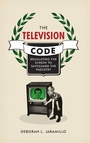
The broadcasting industry's trade association, the National Association of Broadcasters (NAB), sought to sanitize television content via its self-regulatory document, the Television Code. The Code covered everything from the stories, images, and sounds of TV programs (no profanity, illicit sex and drinking, negative portrayals of family life and law enforcement officials, or irreverence for God and religion) to the allowable number of commercial minutes per hour of programming. It mandated that broadcasters make time for religious programming and discouraged them from charging for it. And it called for tasteful and accurate coverage of news, public events, and controversial issues.
Using archival documents from the Federal Communications Commission, NBC, the NAB, and a television reformer, Senator William Benton, this book explores the run-up to the adoption of the 1952 Television Code from the perspectives of the government, TV viewers, local broadcasters, national networks, and the industry's trade association. Deborah L. Jaramillo analyzes the competing motives and agendas of each of these groups as she builds a convincing case that the NAB actually developed the Television Code to protect commercial television from reformers who wanted more educational programming, as well as from advocates of subscription television, an alternative distribution model to the commercial system. By agreeing to self-censor content that viewers, local stations, and politicians found objectionable, Jaramillo concludes, the NAB helped to ensure that commercial broadcast television would remain the dominant model for decades to come.
Using archival documents from the Federal Communications Commission, NBC, the NAB, and a television reformer, Senator William Benton, this book explores the run-up to the adoption of the 1952 Television Code from the perspectives of the government, TV viewers, local broadcasters, national networks, and the industry's trade association. Deborah L. Jaramillo analyzes the competing motives and agendas of each of these groups as she builds a convincing case that the NAB actually developed the Television Code to protect commercial television from reformers who wanted more educational programming, as well as from advocates of subscription television, an alternative distribution model to the commercial system. By agreeing to self-censor content that viewers, local stations, and politicians found objectionable, Jaramillo concludes, the NAB helped to ensure that commercial broadcast television would remain the dominant model for decades to come.
Reviews / Votes
"[A] valuable resource for media scholars and graduate students." (Choice) "Jaramillo has authored a work with applications across many disciplines, especially history, media law, and even political science. Her search for primary sources in both the development of the code and the short life of the [Television Broadcasters Association] is a valuable insight into the origins of U.S. television." (Journal of Broadcasting & Electronic Media) "[The Television Code] is a strong intellectual contribution to debates about what television is and who it serves which will no doubt become a staple in reading lists of television history and regulation...The Television Code is an engaging, well-written, and thought-provoking study on the key role played by regulation in the early negotiations about television's identity." (Critical Studies in Television)More details
Language
English
Place of publication
Austin, TX
United States
Target group
Professional and scholarly
ISBN-13
978-1-4773-1703-7 (9781477317037)
Copyright in bibliographic data and cover images is held by Nielsen Book Services Limited or by the publishers or by their respective licensors: all rights reserved.
Schweitzer Classification
Other editions
Additional editions
Book
09/2018
University of Texas Press
€101.00
Shipment within 15-20 days
Content
Illustrations
Abbreviations
Acknowledgments
Introduction: The Television Code and the Trade Association
1. Regulatory Precedents before Television: The Government and the NAB Experiment with Radio
2. Distinguishing Television from Radio via the Trade Association: The Rise and Fall of the Television Broadcasters Association
3. The Industry Talks about a Television Code: Discourses of Decency, Self-Regulation, and Medium Specificity
4. The Television Audience Speaks Out: Viewer Complaints and the Demand for Government Intervention
5. The Federal Communications Commission: Impotent Bureaucrats, Underhanded Censors, or Exasperated Intermediaries?
6. Senator William Benton Challenges the Commercial Television Paradigm
Conclusion: After the Code
Appendix A. The Television Code: Section on "Acceptability of Program Material"
Appendix B. The Television Code: Section on "Decency and Decorum in Production"
Notes
Bibliography
Index
Abbreviations
Acknowledgments
Introduction: The Television Code and the Trade Association
1. Regulatory Precedents before Television: The Government and the NAB Experiment with Radio
2. Distinguishing Television from Radio via the Trade Association: The Rise and Fall of the Television Broadcasters Association
3. The Industry Talks about a Television Code: Discourses of Decency, Self-Regulation, and Medium Specificity
4. The Television Audience Speaks Out: Viewer Complaints and the Demand for Government Intervention
5. The Federal Communications Commission: Impotent Bureaucrats, Underhanded Censors, or Exasperated Intermediaries?
6. Senator William Benton Challenges the Commercial Television Paradigm
Conclusion: After the Code
Appendix A. The Television Code: Section on "Acceptability of Program Material"
Appendix B. The Television Code: Section on "Decency and Decorum in Production"
Notes
Bibliography
Index
