

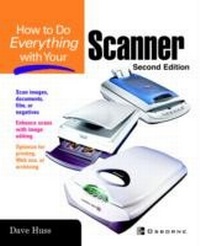
How to Do Everything with Your Scanner
1st Edition
Published on 3. August 2001
341 pages
978-0-07-222813-7 (ISBN)
Available for download
Description

Another volume in the popular, solutions-packed HTDE series. You'll learn to get the most out of your scanner, and do cool things like scan photos, negatives, and documents. What's more, you can then add your scanned images to Web pages, e-mails, and greeting cards. Also includes details on color correction, photo editing, and scanner repair tips.
More details
Other editions
Additional editions

Jill Gilbert
How to Do Everything with Your Scanner
Book
04/2003
Osborne/McGraw-Hill
€22.27
Article exhausted; check for reprint
Content
- Cover Page
- Scanner
- Copyright
- About the Author
- Contents
- Acknowledgments
- Introduction
- PART I The Basics of Scanning
- CHAPTER 1 What You Can Do with Your Scanner
- Scanners Transform Paper Images into Digital Ones
- Why Scanned Images Are Better than Paper Ones
- You Can Touch-Up and Correct a Scanned Image
- You Can Cut and Crop a Scanned Image
- You Can Combine Multiple Scanned Photos
- You Can Import Scanned Photos into Project Templates
- You Can Email Scanned Photos and Post Them on the Web
- You Can Organize Images into Easily Accessed Databases
- Other Uses for Your Scanner
- A Logical Approach to Getting Started
- CHAPTER 2 How Scanning Technology Works
- The Scanning Cycle
- The Science Behind a Scan
- Images Consist of Pixels
- Recognize the Common Parts All Scanners Have
- The Charge-Coupled Device (CCD)
- Other Key Scanner Components
- The Role of Resolution
- Factors that Determine Resolution
- Be Sure to Look at the Optical Resolution of a Scanner
- Avoid Comparisons of Interpolated Resolution
- Testing the Tonal Sensitivity
- Coordinating Your Scanner with Your Printer and Monitor
- Measuring the Monitor's Resolution
- Matching Scanner and Printer Specifications
- Different Originals Require Different Scan Techniques
- Software to Optimize Your Scan
- Types of Scanner Software
- The Important Role of Software During a Scan
- CHAPTER 3 Selecting the Right Scanner
- A Basic Shopping List of Scanner Features
- Pick the Right Port Connection
- The Common Contenders: Parallel and USB Connections
- SCSI Connections
- The Furor over FireWire
- Be Realistic about the Kind of Resolution You Need
- What the Resolution Numbers Mean in a Scanner Description
- You Can Skip the Interpolated Resolution Specs
- Pay Only for the Resolution You Really Need
- Match the Resolution to What You Actually Do
- How Resolution and Hard-Drive Space Affect Each Other
- Deciding on the Right Bit Depth
- What to Consider When You Compare Sensors
- Research and Shop for a Scanner on Line
- Survey the Market with CNET
- Compare Prices and Features on ZDNet
- Get Details from the Scanner Manufacturer Sites
- Bargains at Overstock.com
- Buying a Scanner in Person
- Narrowing Down the Choices
- CHAPTER 4 Install Your Scanner and Inventory Your Hardware
- Hardware Requirements for Successful Scanning
- Speed and Power
- The Microprocessor
- RAM
- Storage Space for Your Images
- Printer Capability
- Installation Made Easy
- Step 1: Inventory Your Scanner Components
- Step 2: Connect Your Cabling and Power Source
- Step 3: Install the Driver
- Step 4: Check the Status of Your Scanner
- Troubleshooting the Installation Process
- How to Get Help
- PART II The Techniques of Scanning and Editing
- CHAPTER 5 The Basics for Your First Scan
- Overview of the Scanning Process
- Be Sure to Unlock Your Scanner Carriage
- Pushing Buttons and Programming Commands
- Why Have Manufacturers Added External Buttons?
- How to Identify What the Buttons Do
- Programming Your Scanner's Buttons
- Choose the Best Original
- The Two Ways to Perform a Scan
- Open Your Scanner Software
- Use the External Buttons
- Select the Right Image Output Type
- Sending Your Image to Its Final Destination
- CHAPTER 6 Scanning Techniques for Different Types of Images
- Overview of the Different Types of Images
- Scan Clear, Clean, Line-Art Images
- Scan Line Art at a High Resolution
- How to Capture Black-and-White Bitmaps and Vectors
- Produce High-Quality Grayscale Images
- Capture Vibrant Color Images
- Maximize Quality with the True-Color Setting
- Optimize Your 256-Color Images
- Save File Space with the Spot-Color Option
- Working with Half-Tone Images
- Why You Need to Know about Half-Toning
- How to Scan Previously Half-Toned Images
- Scanning Text and Images that Contain Text
- CHAPTER 7 Troubleshooting Tips and Tricks
- Where Is the Manual?
- Locating Your User Guide
- Questions Answered by Your Guide
- When the Buttons Won't Do Anything
- How to Interpret a Flashing Lamp
- When Your Computer Doesn't Recognize a Connection to Your Scanner
- Look for a Conflicting Software Driver
- Slow Scans, Saves, and Edits
- Conflicting Scanner Drivers
- Other Programs Competing for Resources
- Checking Your System Resources
- Recommendation for Cleaning Your Scanner: Don't!
- CHAPTER 8 Formats for Saving and Storing Files
- Files Saved on Your Computer Have Different Formats
- Programs Write Files in Their Native Formats
- Image-Editing Programs Support Different Formats
- Identifying Image File Types
- Selecting an Image Format
- JPEG: The Most Common Internet Format
- GIF: The Graphics Interchange Format
- PNG: An Alternative Graphics Format
- TIF: A Very Portable Format
- BMP: The Most Versatile Format
- The Costs and Benefits of Compression
- How Compression Works
- Compression Techniques
- Choosing the Right File Format
- CHAPTER 9 Selecting the Right Image-Editing Program
- Start by Looking at Bundled Software
- Decide Whether the Bundled Software Is a Bargain
- Graduating from the Bundled Software
- Shopping for the Right Program
- Make a Shopping List of Features You Require
- Read the Reviews
- Survey the Software Market
- Adobe: Targeting Three Different Types of Users
- PhotoSuite: Extensive Features and Versatility
- Other Good Imaging Products
- Exploring the World of Shareware
- Making the Right Software Choice
- CHAPTER 10 Which Photo-Editing Tools Are Useful for Specific Tasks
- A Disclaimer about this Chapter
- An Overview of Your Image-Editing Toolbox
- Cropping and Resizing Your Photos
- Locating a Cropping Tool
- Resizing a Photo
- Altering the Angle and Inverting Your Subjects
- Straightening a Crooked Shot
- Creating a Mirror Image of Your Photo
- Correcting the Red-Eye Effect
- Airbrushing Flaws from a Scanned Photo
- How Cloning Works
- Tips for Making Retouching Less Obvious
- Fixing Scratched, Torn, Wrinkled, and Stained Photos
- Other Useful Touchup Tools
- Sharpening Blurry Photos
- Improving Photos with Soften and Blur Effects
- Correcting Under- and Overexposed Photos
- How Exposure to Light Affects Photo Quality
- Enhancing an Entire Photo
- Working on Light and Dark Areas of a Photo
- Colorizing and Tinting Images
- Using a Color Adjustment Filter
- Artistically Colorizing Your Photos
- Trying Your Hand at the Drawing Tool
- Cutting and Combining Photos
- Making a Cutout
- Stitching Photos Together for a Panoramic Effect
- Artistically Layering Photos
- Image-Editing Continues to Evolve
- Increasing Your Skill with Image-Editing Tools
- PART III Practical Uses for Your Scanner
- CHAPTER 11 Scanning Instant Images: JoyCam, i-Zone, and Other Polaroid Products
- How Does Instant Imaging Work?
- The Interesting Development of Instant Imaging
- The Land Legacy
- Today's Instant Cameras
- The Continuing Need for Instant-Image Cameras
- The Ideal Cameras for Teens and Kids
- Sending Photos to People Who Don't Have Computers
- Foreign Travel Adventures
- Scanning to Enhance the Quality of Instant Images
- Using the Polaroid Mini-Photographic Scanner
- The i-Zone Website: A Perk for Young Scanner Users
- Site Safety for Kids
- Uploading Photos to the i-Zone Website
- CHAPTER 12 Scanning Negatives and Slides
- Advantages of Being Able to Scan from Negatives and Slides
- Understand More about What Transparencies Are
- How Negatives Are Made
- The Niche Filled by Slides
- Tips for More Effectively Scanning Transparencies
- A Look at Some of the Top Flatbed Transparency Scanners
- Deciding Whether to Invest in a Transparency Attachment
- CHAPTER 13 Scanning Text Documents Using OCR Software
- What OCR Software Does
- A Look at the Leading OCR Programs
- How OCR Software Works
- Recognize the Limitations of OCR Software
- Prepare Your Original Document for OCR Software to Read
- Tips for More Accurate OCR Scanning
- The Future of OCR Software
- PART IV Additional Scanning Projects
- CHAPTER 14 Basic Scanning Projects for Home Hobbyists
- Understand the Role of Your Image-Editing Software
- Image-Editing Software Used for Examples in this Book
- The Universal First Step: Importing the Image
- Create Your Digital Photo Album
- What Is a Digital Album?
- Find out How Your Particular Editing Program Creates Digital Albums
- A Look at How Some Popular Programs Create Digital Albums
- What Can You Do with Your Digital Albums?
- Creating a Slide Show from Scanned Photos
- Adding Props, Shadows, and Faux Backgrounds to Your Photos
- How to Add Props to a Photo
- Add a Faux Background to Your Photo
- Add a Drop Shadow
- Personalizing Your Computer Desktop
- Moving on to More Advanced Image-Editing Projects
- CHAPTER 15 Making Works of Art and Fun from Scanned Photos
- Creating Useful Objects from Templates
- How Templates Make Finished Projects Easier
- Don't Be Afraid to Modify a Template
- Projects You Can Create with Templates
- How to Locate and Use Templates
- Creating Your Own Project Template
- Add Frames and Borders to Scanned Photos
- Using PhotoSuite to Create Frames and Borders
- Frames and Borders Using Other Image-Editing Programs
- Creating Your Own Frame or Border Effect Without a Template
- Adding Text, Captions, and Word Balloons to Scanned Photos
- Adding Text and Captions to a Photo
- Inserting a Word Balloon
- Using Microsoft Word to Edit Text
- Design Your Own Greeting Cards
- Create Hundreds of Greeting Cards with PhotoSuite
- Making a Card with PhotoDeluxe
- Create an Illustrated Calendar
- Designing a Calendar Using PhotoSuite
- Creating a Calendar with PhotoDeluxe
- Use Microsoft Word to Create a Calendar from Scanned Images
- Making Novelty Items
- Produce Magazine Covers
- Bookmarks
- Making T-Shirts from Scanned Photos and Drawings
- Creating Customized Refrigerator Magnets
- The Possibilities Are Endless
- CHAPTER 16 Communicating Through Scanned Photos
- Designing Stationery Using Scanned Photos and Images
- Designing Stationery That Makes a Statement
- Creating Professional-Looking Stationery from Templates
- Experimenting with the PhotoSuite Stationery Templates
- Creating Stationery with PhotoDeluxe
- Designing Business Cards, Fliers, Brochures, and Logos
- The Advantages of Making Your Own Business Cards
- Make Your Own Logo
- Promotional Fliers and Brochures
- Use the Microsoft Word Newsletter Capabilities
- Add Stylistic Touches to Your Newsletter
- Name Tags, Gift Tags, and Signs
- Enclose a Distinctive Gift Tag
- Make Photographic Name Tags
- Illustrate Everyday Signs
- Create Coupons and Certificates
- Add Impact to All Your Communication
- CHAPTER 17 Adding Scanned Images to Your Web Pages and Email
- Choose the Best Way to Share Your Scanned Photos
- A Word about the Internet
- How Computers "Talk" on the Internet
- What You Need to Communicate on the Internet
- Attaching Scanned Photos to Email Messages
- How Scanned Photos Travel over the Internet
- Emailing an Image Using Your Scanner Software
- Sending Email Directly from Your Image-Editing Program
- Attaching a File to an Email Message
- Email Your Photos Faster and Save Computer Space
- Posting Scanned Photos on the Web Using a Communal Site
- Posting Your Pictures on PhotoSuite's GatherRound.com
- Using Adobe's Shutterfly.com
- Creating Your Own Web Page
- Finding Server Space to Post Your Page
- Creating and Posting a Web Page Using PhotoSuite 4
- Creating Your Site for Free Using Yahoo! GeoCities
- Consider Microsoft FrontPage for Your Website
- Sending Large Image Files Using a File Transfer Protocol
- Evaluating Your Photo-Sharing Options
- Index

