

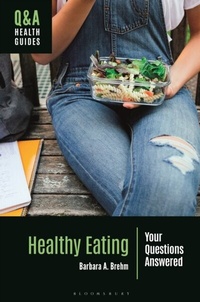
Healthy Eating
Your Questions Answered
1st Edition
Published on 5. September 2024
160 pages
978-1-4408-8024-7 (ISBN)
Description

What we eat is important, but what does healthy eating look like and how can we create dietary habits that nourish us physically and emotionally?Part of the Q&A Health Guides series, this book offers a broad introduction to healthy eating - a topic that is often shrouded in confusion and misinformation. The book's 53 questions cover the basics of nutritional science, how diet affects physical and mental health, common dietary approaches, concerns about particular foods, and barriers that may prevent individuals from establishing and maintaining healthy eating habits. Healthy Eating: Your Questions Answered synthesizes the vast field of nutritional science into a compact and easy-to-digest volume that offers readers common-sense, evidence-based suggestions to improve their eating habits and steer clear of potentially harmful fad diets.Augmenting the main text, a collection of 5 case studies illustrate key concepts and issues through relatable stories and insightful recommendations. The Common Misconceptions section at the beginning of the volume dispels 5 long-standing and potentially dangerous myths about healthy eating, directing readers to additional information in the text. The glossary defines terms that may be unfamiliar to readers, while the directory of resources curates a list of the most useful books, websites, and other materials. Finally, whether they're looking for more information about this subject or any other health-related topic, readers can turn to the Guide to Health Literacy section for practical tools and strategies for finding, evaluating, and using credible sources of health information both on and off the internet.
More details
Series
Language
English
Place of publication
New York
United States
Publishing group
Bloomsbury Publishing Plc
Illustrations
1 bw illus
ISBN-13
978-1-4408-8024-7 (9781440880247)
Copyright in bibliographic data and cover images is held by Nielsen Book Services Limited or by the publishers or by their respective licensors: all rights reserved.
Schweitzer Classification
Other editions
Additional editions
Book
10/2024
Bloomsbury Academic
€56.00
Shipment within 10-20 days
Content
- Cover
- Contents
- Series Foreword
- Acknowledgments
- Introduction
- Guide to Health Literacy
- Common Misconceptions about Healthy Eating
- 1. Healthy eating is more important for older adults than for young people, since older adults have more health problems
- 2. Increasing protein intake leads to the development of bigger and stronger muscles
- 3. A little alcohol is good for you
- 4. Foods in their raw state have the most nutritional value
- 5. The best way to lose weight is with intermittent fasting
- Questions and Answers
- The Basics
- 1. How important is healthy eating?
- 2. Do teens and young adults really need to worry about healthy eating?
- 3. What is the best diet?
- 4. How many calories do I need? How do I know if I am eating the right amount of food?
- 5. What are macronutrients, and is tracking macros helpful?
- 6. What are micronutrients?
- 7. Do you need to take vitamins or supplements if you have a healthy diet?
- 8. How do age and gender affect recommendations for healthy eating?
- 9. Why is nutrition so complicated and why does what's healthy seem to change all the time?
- 10. Who can I trust to provide accurate and unbiased information about diet and nutrition?
- Diet and Health
- 11. What is the best diet for losing weight?
- 12. What is the best diet for gaining weight?
- 13. Can healthy eating prevent or reverse heart disease?
- 14. Can healthy eating prevent or cure cancer?
- 15. Can healthy eating prevent or treat high blood pressure?
- 16. What is the best diet for people with diabetes?
- 17. What are healthy eating recommendations for a healthy digestive system and gut microbiome?
- 18. How does diet affect the immune system and the processes of inflammation? What is an anti-inflammatory diet?
- 19. What is the best diet for healthy bones and the prevention of stress fractures and osteoporosis?
- 20. What should I eat if I want more energy?
- 21. How does diet affect mental health and brain function?
- 22. What is the best diet for improving athletic performance?
- Popular Dietary Approaches
- 23. What is the Mediterranean diet?
- 24. What is the DASH diet?
- 25. What is the keto diet?
- 26. What is the paleo diet?
- 27. What is meant by a "plant-based diet"?
- 28. Is a vegetarian or vegan diet good for you?
- 29. What is a raw food diet?
- 30. What are the different types of intermittent fasting and are they good or bad for you?
- 31. What is meant by a "clean diet"?
- 32. Are detox diets or cleanses good for you? Who needs them?
- 33. How do you evaluate a new "fad" diet?
- 34. What is meant by "intuitive eating" and is it a good idea?
- Concerns about Particular Foods
- 35. Is there a place for coffee and tea in a healthy diet?
- 36. How often should people eat eggs?
- 37. What are the best ways to incorporate meat into a healthy diet?
- 38. Can dairy products be part of a healthy diet?
- 39. How much sugar is allowed in a healthy diet? Can people be addicted to sugar?
- 40. Are artificial sweeteners harmful?
- 41. How much fiber is enough?
- 42. How much salt can be consumed in a healthy diet?
- 43. Should I avoid foods with gluten?
- 44. Is it important to eat organic foods?
- 45. Is a little alcohol ever good for you?
- Barriers to Healthy Eating
- 46. What's the best way to change your eating habits and eat healthy?
- 47. How can I eat healthy when I have food allergies?
- 48. Can you trust food labels?
- 49. How can I eat healthy if I have limited options for choosing what I eat?
- 50. Why am I always hungry?
- 51. What is the best way to deal with food cravings and stress eating?
- 52. How can I have a healthy diet when I don't have a lot of money?
- 53. I don't like the foods that are good for me. How can I enjoy healthy eating more?
- 54. Do I need to eat healthy all the time? What do I do if I fall back into unhealthy eating habits?
- Case Studies
- Case 1. Healthy Eating for Emotional Well-being
- Case 2. When Healthy Eating Becomes Unhealthy
- Case 3. Carbohydrate Confusion Hurts Athletic Performance
- Case 4. The Challenge of Changing Eating Habits: Transitioning to a Vegan Diet
- Case 5. Confronting Chronic Health Problems with Healthy Lifestyle Change
- Glossary
- Directory of Resources
- Index
- About the Author
