

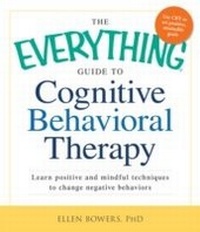
The Everything Guide to Cognitive Behavioral Therapy
Learn Positive and Mindful Techniques to Change Negative Behaviors
1st Edition
Published on 18. March 2013
304 pages
978-1-4405-5672-2 (ISBN)
Description

A step-by-step guide to a positive outlook and a happier life!
Cognitive behavioral therapy (CBT) is a popular method of therapeutic treatment that involves examining both your thoughts and your actions. Proven to be an effective treatment for anxiety, depression, and eating and mood disorders, CBT helps you change dysfunctional emotions and thinking into positive, mindful, and compassionate behavior--toward yourself and others. The Everything Guide to Cognitive Behavioral Therapy is an informed but sensitive beginner's guide to this process, offering guidance on:
If you've been looking for a way to change your behavior or improve a negative mindset, this book is ideal for you. The Everything Guide to Cognitive Behavioral Therapy is the first step in embracing a mindful, healthy outlook on life.
Cognitive behavioral therapy (CBT) is a popular method of therapeutic treatment that involves examining both your thoughts and your actions. Proven to be an effective treatment for anxiety, depression, and eating and mood disorders, CBT helps you change dysfunctional emotions and thinking into positive, mindful, and compassionate behavior--toward yourself and others. The Everything Guide to Cognitive Behavioral Therapy is an informed but sensitive beginner's guide to this process, offering guidance on:
- How CBT works as a treatment program.
- Transforming negative thoughts into positive actions.
- CBT and anxiety, depression, and mood disorders.
- Using CBT to advance professionally.
- Setting positive, attainable goals.
- Developing a solid and helpful feedback system.
If you've been looking for a way to change your behavior or improve a negative mindset, this book is ideal for you. The Everything Guide to Cognitive Behavioral Therapy is the first step in embracing a mindful, healthy outlook on life.
More details
Other editions
Additional editions
Ellen Bowers
The Everything Guide to Cognitive Behavioral Therapy
Learn Positive and Mindful Techniques to Change Negative Behaviors
Book
04/2013
Everything
€18.50
No shipping information available
Person
Ellen Bowers, PhD, is a mental health professional and recovery specialist. For more than thirty years, she has helped individuals to overcome issues with addictions, codependency, and the effects of these, including behavioral addiction and dysfunctional families. She holds a doctorate in psychology, a master's of science degree in education and psychology, and is a member of Mensa. She lives in Los Angeles, CA.
Content
- Intro
- Title Page
- Contents
- Dedication
- Top 10 Things You Should Know about Cognitive Behavioral Therapy
- Introduction
- 1 The Basics of Cognitive Behavioral Therapy
- Definition of Cognitive Behavioral Therapy
- How Can CBT Help Me?
- Related Techniques
- Addressing Negativity
- Is This What You Want?
- The Phases of Cognitive Behavioral Therapy
- 2 History of Cognitive Behavioral Therapy
- How CBT Was Born
- The Work of Albert Ellis
- The Work of Aaron T. Beck
- Classical Conditioning and B. F. Skinner
- Merging of Cognitive Therapy and Behavioral Therapy
- Science or Art?
- 3 The Thought/Feeling Relationship
- What Meanings Do You Attach to Events?
- Mistaken Thoughts
- Core Beliefs
- Let It Go
- Getting Out of Negative Cycles
- The Perils of Black-and-White Thinking
- Move Beliefs from Your Intellect to Your Essence
- 4 Applications for Cognitive Behavioral Therapy
- Phobias
- Post-Traumatic Stress Disorder
- Eating Disorders
- Pain Management
- Fibromyalgia
- Negative Nellies and Energy Vampires
- 5 The Big D-Depression
- Aaron T. Beck's Perspective
- Cognitive Biases of Depressed Individuals
- What Is Depression?
- Catching Ruminations
- What about Suicidal Thoughts?
- How CBT Can Help with Depression
- 6 Managing Anxiety
- Face Your Fears Head-On
- Exposure to Extinction
- Social Anxiety
- Living with Ambiguity
- How CBT Can Help with Anxiety
- 7 Dealing with Anger
- What Is Healthy Anger?
- What Is Unhealthy Anger?
- Using Cognitive Behavioral Therapy to Tame Anger
- Deconstruct Attitudes Underlying Anger
- Techniques for Communication
- Managing Your Rage
- 8 Cooperating with a Therapist
- How to Find a Good Cognitive Behavioral Therapist
- Differences Between Cognitive Behavioral Therapy and Conventional Therapy
- The Dog Ate My Homework!
- Checking Your Progress
- Dependency and Transference
- Breaking Up with Your Therapist
- 9 Cognitive Behavioral Therapy for Children and Adolescents
- Where Do They Get Those Behaviors?
- Computer-Based Programs
- Tracking Down Harmful Beliefs
- Helping Children to Become Human
- Special Stresses of Adolescence
- When Is Therapy in Order?
- 10 Affirmations
- Working with Negative Core Beliefs
- Turning Negativity into Creativity
- The Power of the Subconscious
- Crafting Useful Affirmations
- But They Seem Like Lies!
- A Practice for Affirmations
- 11 Tame Your Brain
- Moment-by-Moment Mindfulness
- Meditation
- Make Friends with the Enemy
- Slow Your Thoughts
- Welcome Serenity and Mental Peace
- The Discipline of Focus
- 12 Visualization
- Control the Contents of Your Mind
- Control How You Process External Influences
- A Visualization Practice
- Create a Vision Board
- But Does It Really Work?
- Trust in Life
- 13 Use Cognitive Behavioral Therapy for Self-Esteem
- Reality Check on Your Self-Esteem
- Behaviors Toward Improved Self-Esteem
- Identify Your Passions
- Do What You Love!
- Joyful Time Management
- Claim Your Life
- 14 Cognitive Behavioral Therapy at Work
- Crafting Your Responses
- Difficult Boss
- Difficult Coworkers
- Managing Attitudes
- Biding Your Time
- Position Yourself Just Right
- Use CBT to Get to the Edge
- 15 Craft Your Responses
- A Look at Typical Fear-Driven Responses
- How Should I Respond?
- The Effort of Change
- A Magnificent List of Freedom Responses
- What Do You Deeply Desire?
- Molding New Habits
- 16 Attention
- Spot Check on Habitual Thoughts
- Habitual Worry
- Effects of Unnecessary Value Judgments
- Awareness of Your Environment
- Spontaneous Actions and Interactions
- Compassion
- 17 Cognitive Behavioral Therapy and the Physical Body
- Your Symptoms
- Negative Thinking Can Actually Make You Sick!
- Changing Thinking about the Symptoms
- Changing Behavior in Regard to Symptoms
- Restructure the Environment
- Restructure Your Moods
- 18 Overhaul Your Relationships
- Automatic Responses to Others
- Embrace Real Love, Lose the False Love
- Dramatic Detachment
- Awareness and Transcendence
- Spiritual Security
- Profound Strength
- 19 Mind: What Is It?
- Uh Oh, You've Lost Your Mind Once Again
- How Your New Healthy Brain Functions
- Forging New Synapses
- Freedom from the Past
- Constructing Meaning and Joy
- Avoiding Backsliding
- Keep Up CBT-Even If You Feel Good
- Appendix A: Helpful Websites
- Appendix B: Helpful Books
- Acknowledgments
- Copyright
