

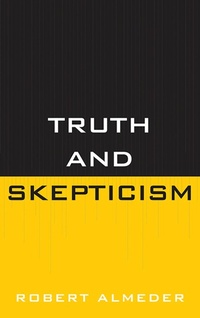
Truth and Skepticism
1st Edition
Published on 16. August 2010
264 pages
979-8-216-34565-7 (ISBN)
Description

Robert Almeder provides a comprehensive discussion and definitive refutation of our common conception of truth as a necessary condition for knowledge of the world, and to defend in detail an epistemic conception of truth without falling into the usual epistemological relativism or classical idealism in which all properties of the world turn out to be linguistic in nature and origin. There is no other book available that clearly and thoroughly defends the case for an epistemic conception of truth and also claims success in avoiding idealism or epistemological relativism.
More details
Edition
1. Auflage
Language
English
Place of publication
United States
Publishing group
Bloomsbury Publishing Plc
Target group
Professional and scholarly
ISBN-13
979-8-216-34565-7 (9798216345657)
Copyright in bibliographic data and cover images is held by Nielsen Book Services Limited or by the publishers or by their respective licensors: all rights reserved.
Schweitzer Classification
Other editions
Additional editions
Robert Almeder
Truth and Skepticism
Book
08/2010
Rowman & Littlefield Publishers
€158.50
Shipment within 10-20 days
Person
Robert Almeder was professor of philosophy at Georgia State University until his retirement in 2005. He is the former editor of The American Philosophical Quarterly and has served on the editorial boards of numerous scholarly journals.
Content
Preface
Part 1: Rejecting Correspondence and All Non-Epistemic Theories of Truth
Chapter 1: Introduction
Chapter 2: Minimal Requirements for an Adequate Theory of Truth
Chapter 3: Justification for Non-Vacuity and Reliability Principles
Chapter 4: The Core of Correspondence and Other Non-Epistemic Theories of Truth
Chapter 5: The Main Argument Against Correspondence and Other Non-Epistemic Theories of Truth
Chapter 6: How the Main Argument Differs From Other Similar Arguments
Chapter 7: Forestalling Three Predictable Objections to the Main Argument
Chapter 8: Does the Main Argument Confuse
Chapter 9: Does the Main Argument Require Abandoning Truth as a Goal?
Chapter 10: An Objection from Common Sense
Chapter 11: The Objection from the Paradox of Analysis
Chapter 12: A Proposed Reduction of the Main Argument
Part 2: In Defense of the Epistemic Theory of Truth
Chapter 1: Preliminary Objections to the Epistemic Theory of Truth
Chapter 2: Other Objections to the Epistemic Theory of Truth
Chapter 3: Conclusion
Part 3: Defeating Skepticism
Chapter 1: Introduction
Chapter 2: The Moral of the Above Taxonomy
Chapter 3: Self-Defeating Skepticisms and the Strength of Global Weak Skepticism
Chapter 4: The Canonical Argument for Global Weak Skepticism and the Contextualist Response
Chapter 5: Other Critiques of Contextualism
Chapter 6: The Asymmetry Objection to the Argument from Ignorance
Chapter 7: Global Weak Skepticism as an Inference to the Best Explanation
Chapter 8: Is the Global Skepticism here Refuted Implied by the Main Argument?
Part 4:Conclusions
Chapter 1: The Main Problem and Future Prospects
Chapter 2: Blind realism and the Non-Vacuity Objection
Chapter 3: Does Blind Realism Presuppose Non-Epistemic Truth?
Chapter 4: The Fitch Objection
Bibliography
Index
Part 1: Rejecting Correspondence and All Non-Epistemic Theories of Truth
Chapter 1: Introduction
Chapter 2: Minimal Requirements for an Adequate Theory of Truth
Chapter 3: Justification for Non-Vacuity and Reliability Principles
Chapter 4: The Core of Correspondence and Other Non-Epistemic Theories of Truth
Chapter 5: The Main Argument Against Correspondence and Other Non-Epistemic Theories of Truth
Chapter 6: How the Main Argument Differs From Other Similar Arguments
Chapter 7: Forestalling Three Predictable Objections to the Main Argument
Chapter 8: Does the Main Argument Confuse
Chapter 9: Does the Main Argument Require Abandoning Truth as a Goal?
Chapter 10: An Objection from Common Sense
Chapter 11: The Objection from the Paradox of Analysis
Chapter 12: A Proposed Reduction of the Main Argument
Part 2: In Defense of the Epistemic Theory of Truth
Chapter 1: Preliminary Objections to the Epistemic Theory of Truth
Chapter 2: Other Objections to the Epistemic Theory of Truth
Chapter 3: Conclusion
Part 3: Defeating Skepticism
Chapter 1: Introduction
Chapter 2: The Moral of the Above Taxonomy
Chapter 3: Self-Defeating Skepticisms and the Strength of Global Weak Skepticism
Chapter 4: The Canonical Argument for Global Weak Skepticism and the Contextualist Response
Chapter 5: Other Critiques of Contextualism
Chapter 6: The Asymmetry Objection to the Argument from Ignorance
Chapter 7: Global Weak Skepticism as an Inference to the Best Explanation
Chapter 8: Is the Global Skepticism here Refuted Implied by the Main Argument?
Part 4:Conclusions
Chapter 1: The Main Problem and Future Prospects
Chapter 2: Blind realism and the Non-Vacuity Objection
Chapter 3: Does Blind Realism Presuppose Non-Epistemic Truth?
Chapter 4: The Fitch Objection
Bibliography
Index
