

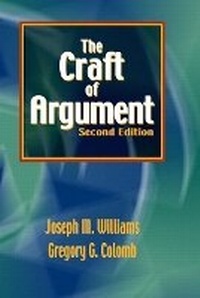
The Craft of Argument
2nd Edition
Published on 20. May 2003
Book
Paperback/Softback
528 pages
978-0-321-10147-1 (ISBN)
Description
Written by the authors of such successful composition titles as Style: Ten Lessons in Clarity and Grace (AWL) and The Craft of Research (Chicago UP), The Craft of Argument, Second Edition is an argument rhetoric based on a new, more teachable version of the Toulmin model of argument.
The Craft of Argument, Second Edition offers an updated and revised version of the Toulmin model, making it the most accessible and teachable presentation of Toulmin available. With a focus on argument as civic conversation, this text addresses problem finding and problem solving as the heart of planning, drafting, and revising written arguments. The writing process sections have been enhanced to offer more strategies to writing effective arguments, providing students the opportunity to practice what they've learned in each chapter
The first eleven chapters explain the nature of argument, how to develop an argument, and how to think about argument, using the revised Toulmin model. Chapters 12 and 13 discuss the language of argument, including a discussion on some of the basic elements of style. Part V includes a selection of high interest readings that are also effective models of argument, many of which are discussed in boxes that appear in the rhetoric (In the Readings).
The Craft of Argument, Second Edition offers an updated and revised version of the Toulmin model, making it the most accessible and teachable presentation of Toulmin available. With a focus on argument as civic conversation, this text addresses problem finding and problem solving as the heart of planning, drafting, and revising written arguments. The writing process sections have been enhanced to offer more strategies to writing effective arguments, providing students the opportunity to practice what they've learned in each chapter
The first eleven chapters explain the nature of argument, how to develop an argument, and how to think about argument, using the revised Toulmin model. Chapters 12 and 13 discuss the language of argument, including a discussion on some of the basic elements of style. Part V includes a selection of high interest readings that are also effective models of argument, many of which are discussed in boxes that appear in the rhetoric (In the Readings).
More details
Edition
2nd edition
Language
English
Place of publication
United States
Publishing group
Pearson Education (US)
Target group
Professional and scholarly
Dimensions
Width: 228 mm
Thickness: 18 mm
Weight
619 gr
ISBN-13
978-0-321-10147-1 (9780321101471)
Copyright in bibliographic data and cover images is held by Nielsen Book Services Limited or by the publishers or by their respective licensors: all rights reserved.
Schweitzer Classification
Other editions
New editions
Joseph M. Williams | Gregory G. Colomb
The Craft of Argument
Book
11/2006
3rd Edition
Pearson
€103.98
Article is exhausted; no reprint
Previous edition
Joseph M. Williams | Gregory G. Colomb
The Craft of Argument
Book
12/2001
Pearson
€22.27
Article exhausted; check for reprint
Content
Chapters contain "Writing Process," "Inquiries," and "Writing Projects."Introduction to Part 1: The Nature of Argument.
Chapter 1. Argument and Rationality.
What Is Argument?
What Good Is Argument?
What's Not an Argument.
When Arguments Go Bad.
2. Argument as Civil Conversation.
The Questions of Argument.
Argument's Roots in Civil Conversation.
Review: Modeling an Argument.
Crafting Written Arguments.
Thickening Your Argument.
Sample Essays.
3. Motivating Your Argument.
Two Kinds of Problems.
Framing Problems in Introductions.
Conclusions.
Introductions and Conclusions as Ways of Thinking.
Sample Essays.
Introduction to Part 2: Developing Your Argument.
4. Articulating Claims.
Exploring Claims Without Rushing to Judgment.
What Kind of Claim Does Your Problem Require?
What Counts as a Claim Worth Considering?
What Counts as a Thoughtful Claim?
5. Reasons and Evidence.
Reasons and Evidence as Forms of Support.
Distinguishing Reasons and Evidence.
Distinguishing Evidence and Reports of It.
Multiple Reasons.
Using Reasons to Help Readers Understand Evidence.
Sample Essay.
6. Reporting Evidence.
Weigh Your Burden of Evidence.
The Four Maxims of Quality.
Trustworthy Reports of Evidence.
Negotiating What Counts as Evidence.
Radical Skepticism.
Sample Essay.
7. Warranting Claims and Reasons.
How Warrants Connect Reasons and Claims.
What Warrants Look Like.
The Challenge of Using Warrants.
Review: A Test Case.
Warranting Evidence as Relevant.
Arguing by Evidence vs. Arguing by Warrants.
8. Acknowledgments and Responses.
The Importance of Other Viewpoints.
Questioning Your Problem and Its Solution.
Questioning Your Support.
Questioning Your Consistency.
Responses as Subordinate Arguments.
Introduction to Part 3: Thinking About Thinking in Arguments.
9. The Forms of Reasoning.
Forms of Reasoning.
Real Life Barriers to Thinking Clearly.
10. Thinking about Meanings.
Some Terminology.
Meanings and Problems.
How to Argue about Meanings.
11. Thinking About Causes.
The Impossible Vastness of Causes.
Finding Relevant Causes.
Analyzing Causation Systematically.
Causation and Personal Responsibility.
Introduction to Part 4: The Languages of Argument.
12. Clear Language.
Some Principles of Clear and Direct Writing.
Concision and Vividness.
13. The Overt and Covert Force of Language.
Invoking Values, Evoking Feeling.
Subjects and Point of View.
Making Qualities Characters.
Treating Means as Agents.
Abstractions as Characters.
Metaphorical Scenarios.
Chapter 1. Argument and Rationality.
What Is Argument?
What Good Is Argument?
What's Not an Argument.
When Arguments Go Bad.
2. Argument as Civil Conversation.
The Questions of Argument.
Argument's Roots in Civil Conversation.
Review: Modeling an Argument.
Crafting Written Arguments.
Thickening Your Argument.
Sample Essays.
3. Motivating Your Argument.
Two Kinds of Problems.
Framing Problems in Introductions.
Conclusions.
Introductions and Conclusions as Ways of Thinking.
Sample Essays.
Introduction to Part 2: Developing Your Argument.
4. Articulating Claims.
Exploring Claims Without Rushing to Judgment.
What Kind of Claim Does Your Problem Require?
What Counts as a Claim Worth Considering?
What Counts as a Thoughtful Claim?
5. Reasons and Evidence.
Reasons and Evidence as Forms of Support.
Distinguishing Reasons and Evidence.
Distinguishing Evidence and Reports of It.
Multiple Reasons.
Using Reasons to Help Readers Understand Evidence.
Sample Essay.
6. Reporting Evidence.
Weigh Your Burden of Evidence.
The Four Maxims of Quality.
Trustworthy Reports of Evidence.
Negotiating What Counts as Evidence.
Radical Skepticism.
Sample Essay.
7. Warranting Claims and Reasons.
How Warrants Connect Reasons and Claims.
What Warrants Look Like.
The Challenge of Using Warrants.
Review: A Test Case.
Warranting Evidence as Relevant.
Arguing by Evidence vs. Arguing by Warrants.
8. Acknowledgments and Responses.
The Importance of Other Viewpoints.
Questioning Your Problem and Its Solution.
Questioning Your Support.
Questioning Your Consistency.
Responses as Subordinate Arguments.
Introduction to Part 3: Thinking About Thinking in Arguments.
9. The Forms of Reasoning.
Forms of Reasoning.
Real Life Barriers to Thinking Clearly.
10. Thinking about Meanings.
Some Terminology.
Meanings and Problems.
How to Argue about Meanings.
11. Thinking About Causes.
The Impossible Vastness of Causes.
Finding Relevant Causes.
Analyzing Causation Systematically.
Causation and Personal Responsibility.
Introduction to Part 4: The Languages of Argument.
12. Clear Language.
Some Principles of Clear and Direct Writing.
Concision and Vividness.
13. The Overt and Covert Force of Language.
Invoking Values, Evoking Feeling.
Subjects and Point of View.
Making Qualities Characters.
Treating Means as Agents.
Abstractions as Characters.
Metaphorical Scenarios.