

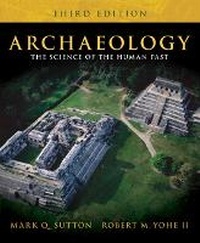
Archaeology
The Science of the Human Past
3rd Edition
Published on 6. December 2007
Book
Paperback/Softback
464 pages
978-0-205-57237-3 (ISBN)
Description
The Third Edition of this recent entry into the introductory archaeology market conveys the excitement of archaeological discovery and explains how archaeologists think as they scientifically find, analyze, and interpret evidence.
More details
Edition
3rd edition
Language
English
Place of publication
New York
United States
Publishing group
Taylor & Francis Inc
Target group
Professional and scholarly
Dimensions
Height: 232 mm
Width: 191 mm
Weight
640 gr
ISBN-13
978-0-205-57237-3 (9780205572373)
Copyright in bibliographic data and cover images is held by Nielsen Book Services Limited or by the publishers or by their respective licensors: all rights reserved.
Schweitzer Classification
Other editions
New editions
Mark Q. Sutton
Archaeology
The Science of the Human Past Plus MySearchLab with eText -- Access Card Package
Book
02/2013
4th Edition
Pearson
€150.66
Article is exhausted; no reprint
Book
02/2013
4th Edition
Routledge
€155.99
Article exhausted; check for reprint
Previous edition
Book
09/2005
2nd Edition
Routledge
Unfortunately, price unknown
No shipping information available
Content
Each chapter concludes with "Chapter Summary," "Key Concepts" and "Suggested Readings."
PART I.WHAT IS ARCHAEOLOGY?
1. The Science of Archaeology.
What Is Archaeology?
Branches of Archaeology.
Key Concepts in Archaeology.
Archaeology as Science.
The Importance of Archaeology.
2. Backgrounds of Archaeology.
The Antiquarians.
The Discovery of a Prehistory.
The Classical Civilizations.
The Emergence of Professional Archaeology.
Developing the Outline of World Prehistory.
Political Influences in the History of Archaeology.
3. The Development of Contemporary Archaeology.
Archaeology after World War II.
The Rise of Scientific Archaeology.
Expanding Theoretical Horizon
Archaeological Frontiers.
Careers in Archaeology.
PART II. OBTAINING INFORMATION ABOUT THE PAST.
4. The Archaeological Record.
Archaeological Sites.
Archaeological Evidence.
Site Formation and Transformation.
Preservation.
Recognizing and Recovering Evidence.
Ongoing Impacts on the Archaeological Record.
5. Conducting Fieldwork.
Finding Sites.
Conducting Archaeological Surveys
Excavating Sites.
Practical Aspects of Fieldwork.
Ethics in Archaeological Fieldwork.
6. Classification and Analysis of Artifacts.
Classification and Typology.
Classifying Types of Artifacts.
Analyzing Artifacts.
7. Determining Time.
What Is So Important About Time?
Older or Younger? Relative Dating in Archaeology.
Real Time: Chronometric Dating.
8. Bioarchaeology: Human Remains.
The Study of Human Remains: Getting to Know Past Peoples.
Preserved Bodies.
Skeletal Remains.
Analytical Approaches in Bioarchaeology.
PART III. INTERPRETING THE PAST.
9. Environment and Adaptation.
The Environment.
Environmental Archaeology.
Human Biological Adaptation.
Human Cultural Adaptation.
Domestication and the Agricultural Revolution.
10. Understanding Past Settlement and Subsistence.
How Did People Make a Living? Subsistence.
Where Did People Live? Past Settlement Systems.
The Interplay between Subsistence and Settlement.
11. Interpreting Past Cultural Systems.
How Can Archaeology Answer Anthropological Questions?
Interpreting Past Social Structures.
Interpreting Past Political Organization.
Interpreting Past Belief Systems.
Remembering the Individual.
12. Understanding Culture Change.
The Archaeology of Change.
Interpreting Evidence of Change.
Cultural Contact and Conflict.
PART IV. APPLIED ARCHAEOLOGY.
13. Public Archaeology.
The Impact of Population Growth and Development on Archaeology.
The Field of Cultural Resource Management.
The Role of Public Education in Archaeological Preservation.
Cultural Resource Management among Traditional Peoples.
Archaeology and Ethics.
14. Archaeology in the Real World.
Archaeology Today.
Archaeology and Politics.
Who Owns the Past?
Learning from the Past: Applying Archaeology to Contemporary Problems.
Archaeology and Computer Technology.
Archaeology, Mass Media, and Public Perception.
So What? The Significance of Archaeology.
Glossary.
References.
Index.
PART I.WHAT IS ARCHAEOLOGY?
1. The Science of Archaeology.
What Is Archaeology?
Branches of Archaeology.
Key Concepts in Archaeology.
Archaeology as Science.
The Importance of Archaeology.
2. Backgrounds of Archaeology.
The Antiquarians.
The Discovery of a Prehistory.
The Classical Civilizations.
The Emergence of Professional Archaeology.
Developing the Outline of World Prehistory.
Political Influences in the History of Archaeology.
3. The Development of Contemporary Archaeology.
Archaeology after World War II.
The Rise of Scientific Archaeology.
Expanding Theoretical Horizon
Archaeological Frontiers.
Careers in Archaeology.
PART II. OBTAINING INFORMATION ABOUT THE PAST.
4. The Archaeological Record.
Archaeological Sites.
Archaeological Evidence.
Site Formation and Transformation.
Preservation.
Recognizing and Recovering Evidence.
Ongoing Impacts on the Archaeological Record.
5. Conducting Fieldwork.
Finding Sites.
Conducting Archaeological Surveys
Excavating Sites.
Practical Aspects of Fieldwork.
Ethics in Archaeological Fieldwork.
6. Classification and Analysis of Artifacts.
Classification and Typology.
Classifying Types of Artifacts.
Analyzing Artifacts.
7. Determining Time.
What Is So Important About Time?
Older or Younger? Relative Dating in Archaeology.
Real Time: Chronometric Dating.
8. Bioarchaeology: Human Remains.
The Study of Human Remains: Getting to Know Past Peoples.
Preserved Bodies.
Skeletal Remains.
Analytical Approaches in Bioarchaeology.
PART III. INTERPRETING THE PAST.
9. Environment and Adaptation.
The Environment.
Environmental Archaeology.
Human Biological Adaptation.
Human Cultural Adaptation.
Domestication and the Agricultural Revolution.
10. Understanding Past Settlement and Subsistence.
How Did People Make a Living? Subsistence.
Where Did People Live? Past Settlement Systems.
The Interplay between Subsistence and Settlement.
11. Interpreting Past Cultural Systems.
How Can Archaeology Answer Anthropological Questions?
Interpreting Past Social Structures.
Interpreting Past Political Organization.
Interpreting Past Belief Systems.
Remembering the Individual.
12. Understanding Culture Change.
The Archaeology of Change.
Interpreting Evidence of Change.
Cultural Contact and Conflict.
PART IV. APPLIED ARCHAEOLOGY.
13. Public Archaeology.
The Impact of Population Growth and Development on Archaeology.
The Field of Cultural Resource Management.
The Role of Public Education in Archaeological Preservation.
Cultural Resource Management among Traditional Peoples.
Archaeology and Ethics.
14. Archaeology in the Real World.
Archaeology Today.
Archaeology and Politics.
Who Owns the Past?
Learning from the Past: Applying Archaeology to Contemporary Problems.
Archaeology and Computer Technology.
Archaeology, Mass Media, and Public Perception.
So What? The Significance of Archaeology.
Glossary.
References.
Index.