

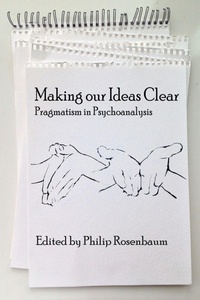
Making Our Ideas Clear
Pragmatism in Psychoanalysis
Published on 16. January 2015
Book
Paperback/Softback
344 pages
978-1-62396-867-0 (ISBN)
Description
This book brings pragmatic theory and praxis into dialogue with contemporary psychodynamic ideas, practitioners, and clinical issues. Generally considered as a historical footnote to psychoanalysis, the chapters in this volume demonstrate pragmatism's continued relevance for contemporary thought. Not only does pragmatism share many of the values and sensibilities of contemporary psychodynamics, its rich philosophical and theoretical emphasis on active meaning making and agentic being in the world complements and extends current thinking about the social nature of self and mind, how we occupy space in the world, non-linear development, and processes of communication.
More details
Series
Language
English
Place of publication
Charlotte
United States
Publishing group
Emerald Publishing Inc
Target group
College/higher education
Professional and scholarly
Dimensions
Height: 234 mm
Width: 156 mm
Thickness: 19 mm
Weight
524 gr
ISBN-13
978-1-62396-867-0 (9781623968670)
Copyright in bibliographic data and cover images is held by Nielsen Book Services Limited or by the publishers or by their respective licensors: all rights reserved.
Schweitzer Classification
Other editions
Additional editions
E-Book
01/2015
1st Edition
Information Age Publishing
from
€62.33
Available for download
Person
Philip Rosenbaum , Haverford College, USA
Jaan Valsiner, Aalborg University, USA
Jaan Valsiner, Aalborg University, USA
Content
Series Editor's Preface: Connecting Cultural Psychology With Psychoanalysis: How Pragmatism Matters.
Introduction: The Effects of the Postmodern Turn in Relational Psychoanalysis.
Section I: Pragmatic Beginnings: A Historical Overview.
Chapter 1. Compatibility Between Early Psychoanalysis and Pragmatism, Tania Zittoun.
Chapter 2. Self as a Sign: Locating Peirce's Semiotics in Sullivan's Self-System, Philip J. Rosenbaum.
Chapter 3. Wilfred Bion: A Piercean Semiotic Reading, Robert White.
Chapter 4. Commentary: Commentary on Pragmatism and Psychoanalysis, Katharina Rothe.
Section II: Applying Pragmatic Theory To Contemporary Questions.
Chapter 5. Dialogue Between Multiple Self Models: Moving Towards.
Chapter 6. Integration, Mayer Bellehsen.
Chapter 7. Achieving Purpose in an Open Cosmos: The Continuing Relevance of William James for Relational and Interpersonal Theory, Jon Weidenbaum.
Chapter 8. From Meaning to Sensemaking: Implications of a Semiotic and Dynamic Model of Mind for Psychoanalysis, Sergio Salvatore.
Chapter 9. The American Idea in Siblinghood-Interpersonal Psychoanalysis and Pragmatism: Knowing and the Problem of the Unconscious, Michael Mance.
Chapter 10. Commentary: Reflections on the Ways Pragmatic Philosophy and Interpersonal Psychoanalysis Are Related, Cory K. Chen.
Section III: Pragmatic Methodology In Clinical Work.
Chapter 11. The Psychosemiotic Model for Understanding the Body-Mind Continuum: Implications for Epistemic and Psychotherapeutic Applications, Matti Keinaenen.
Chapter 12. The Dynamics of Control in the Case of Mrs. C: A Pragmatic Study of the Patient/Analyst Dialogue, Georgia Lepper.
Chapter 13. Children's Dreams: A Novel Interpretation, Yariv Orgad and Yair Neuman.
Chapter 14. How Empirical Research Can Help Clinicians Evaluate Psychoanalytic Theory and Practice: A Pragmatic Approach, Jean Knox.
Chapter 15. Commentary: The Language of Dreams: Dissociative Processes and Symbolic Functioning In Dreaming, Rhona Kaplan.
Chapter 16. Conclusion: The Pragmatic Maxim and the Good Life, Philip J. Rosenbaum.
Introduction: The Effects of the Postmodern Turn in Relational Psychoanalysis.
Section I: Pragmatic Beginnings: A Historical Overview.
Chapter 1. Compatibility Between Early Psychoanalysis and Pragmatism, Tania Zittoun.
Chapter 2. Self as a Sign: Locating Peirce's Semiotics in Sullivan's Self-System, Philip J. Rosenbaum.
Chapter 3. Wilfred Bion: A Piercean Semiotic Reading, Robert White.
Chapter 4. Commentary: Commentary on Pragmatism and Psychoanalysis, Katharina Rothe.
Section II: Applying Pragmatic Theory To Contemporary Questions.
Chapter 5. Dialogue Between Multiple Self Models: Moving Towards.
Chapter 6. Integration, Mayer Bellehsen.
Chapter 7. Achieving Purpose in an Open Cosmos: The Continuing Relevance of William James for Relational and Interpersonal Theory, Jon Weidenbaum.
Chapter 8. From Meaning to Sensemaking: Implications of a Semiotic and Dynamic Model of Mind for Psychoanalysis, Sergio Salvatore.
Chapter 9. The American Idea in Siblinghood-Interpersonal Psychoanalysis and Pragmatism: Knowing and the Problem of the Unconscious, Michael Mance.
Chapter 10. Commentary: Reflections on the Ways Pragmatic Philosophy and Interpersonal Psychoanalysis Are Related, Cory K. Chen.
Section III: Pragmatic Methodology In Clinical Work.
Chapter 11. The Psychosemiotic Model for Understanding the Body-Mind Continuum: Implications for Epistemic and Psychotherapeutic Applications, Matti Keinaenen.
Chapter 12. The Dynamics of Control in the Case of Mrs. C: A Pragmatic Study of the Patient/Analyst Dialogue, Georgia Lepper.
Chapter 13. Children's Dreams: A Novel Interpretation, Yariv Orgad and Yair Neuman.
Chapter 14. How Empirical Research Can Help Clinicians Evaluate Psychoanalytic Theory and Practice: A Pragmatic Approach, Jean Knox.
Chapter 15. Commentary: The Language of Dreams: Dissociative Processes and Symbolic Functioning In Dreaming, Rhona Kaplan.
Chapter 16. Conclusion: The Pragmatic Maxim and the Good Life, Philip J. Rosenbaum.