


The Philosophy of Design
Published on 16. October 2015
Book
Paperback/Softback
176 pages
978-0-7456-6389-0 (ISBN)
Description
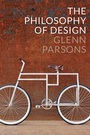
The Philosophy of Design is an introduction to the fundamental philosophical issues raised by the contemporary practice of design. The first book to systematically examine design from the perspective of contemporary philosophy, it offers a broad perspective, ranging across key philosophical areas such as aesthetics, epistemology, metaphysics and ethics.
The first part of the book explores central issues about the nature of design and its products, and the rationality of design methods. A central theme is that Modernist ideas, such as those offered by Loos and Gropius, provide important responses to these philosophical issues. In the second part of the book, these Modernist ideas serve as touchstones in the exploration of key issues for design, including: the place of aesthetics in design; design's relation to personal expression; the meaning of function; and design's relation to consumerism. The social responsibility of designers, and the impact of design practice on ethical reasoning are also discussed.
Written in an accessible style, The Philosophy of Design presents a new perspective on design and a provocative reassessment of the Modernist legacy. It will engage students and designers with current philosophical debates, helping them to bring into clearer focus the meaning of contemporary design, and its unique challenges and possibilities.
Reviews / Votes
"This very readable and illuminating book is a must-have for designers and the students of design."Oxford Journal
More details
Edition
1. Auflage
Language
English
Place of publication
Oxford
United Kingdom
Publishing group
John Wiley and Sons Ltd
Target group
College/higher education
Professional and scholarly
Product notice
Paperback (trade)
Unsewn / adhesive bound
Dimensions
Height: 228 mm
Width: 151 mm
Thickness: 20 mm
Weight
317 gr
ISBN-13
978-0-7456-6389-0 (9780745663890)
Schweitzer Classification
Other editions
Additional editions
Person
Glenn Parsons is Associate Professor of Philosophy at Ryerson University
Content
Acknowledgements
Introduction
1 What is Design?
1.1 Defining 'Design'
1.2 Ontological Issues
1.3 Activity, Profession and Practice
1.4 The Rise of the Designer
2 The Design Process
2.1 The Challenges of Design
2.2 A Crisis of Confidence
2.3 The Epistemological Problem
2.4 Are Design Problems Ill-Defined?
2.5 Some Responses
2.6 Prestructures and Principles
3 Modernism
3.1 The Origins of Modernism
3.2 Reinterpretations and Linkages
3.3 The Failure of Modernism
4 Expression
4.1 The Meanings of Design
4.2 Expression and Eros
4.3 The Better Realization Argument
4.4 Illusion and Reality
4.5 An Objection
5 The Concept of Function
5.1 The Indeterminacy of Function
5.2 Intentionalist Theories of Artefact Function
5.3 Evolutionary Theories of Artefact Function
5.4 Objections to the Evolutionary Theory
5.5 Novelty, Design and the Epistemolocial Problem
6 Function, Form and Aesthetics
6.1 Can Form Follow Function?
6.2 Squaring Function and Aesthetic Value
6.3 Dependent Beauty
6.4 Functional Beauty
6.5 Good Taste in Design
6.6 Bad Taste
7 Ethics
7.1 Applied Ethics and Design
7.2 Consumerism, Needs and Wants
7.3 Is Need an Empty Concept?
7.4 Does Design Alter the Moral Landscape?
7.5 The Designer Stands Alone?
Epilogue: The Meaning of Modernism
Suggestions for Further Reading
Notes
References
Introduction
1 What is Design?
1.1 Defining 'Design'
1.2 Ontological Issues
1.3 Activity, Profession and Practice
1.4 The Rise of the Designer
2 The Design Process
2.1 The Challenges of Design
2.2 A Crisis of Confidence
2.3 The Epistemological Problem
2.4 Are Design Problems Ill-Defined?
2.5 Some Responses
2.6 Prestructures and Principles
3 Modernism
3.1 The Origins of Modernism
3.2 Reinterpretations and Linkages
3.3 The Failure of Modernism
4 Expression
4.1 The Meanings of Design
4.2 Expression and Eros
4.3 The Better Realization Argument
4.4 Illusion and Reality
4.5 An Objection
5 The Concept of Function
5.1 The Indeterminacy of Function
5.2 Intentionalist Theories of Artefact Function
5.3 Evolutionary Theories of Artefact Function
5.4 Objections to the Evolutionary Theory
5.5 Novelty, Design and the Epistemolocial Problem
6 Function, Form and Aesthetics
6.1 Can Form Follow Function?
6.2 Squaring Function and Aesthetic Value
6.3 Dependent Beauty
6.4 Functional Beauty
6.5 Good Taste in Design
6.6 Bad Taste
7 Ethics
7.1 Applied Ethics and Design
7.2 Consumerism, Needs and Wants
7.3 Is Need an Empty Concept?
7.4 Does Design Alter the Moral Landscape?
7.5 The Designer Stands Alone?
Epilogue: The Meaning of Modernism
Suggestions for Further Reading
Notes
References