

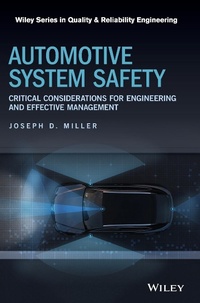
Automotive System Safety: Critical Considerations for Engineering and Effective Management
Critical Considerations for Engineering and Effective Management
Published on 6. February 2020
Book
Hardback
250 pages
978-1-119-57962-5 (ISBN)
Description
Contains practical insights into automotive system safety with a focus on corporate safety organization and safety management
Functional Safety has become important and mandated in the automotive industry by inclusion of ISO 26262 in OEM requirements to suppliers. This unique and practical guide is geared toward helping small and large automotive companies, and the managers and engineers in those companies, improve automotive system safety. Based on the author's experience within the field, it is a useful tool for marketing, sales, and business development professionals to understand and converse knowledgeably with customers and prospects.
Automotive System Safety: Critical Considerations for Engineering and Effective Management teaches readers how to incorporate automotive system safety efficiently into an organization. Chapters cover: Safety Expectations for Consumers, OEMs, and Tier 1 Suppliers; System Safety vs. Functional Safety; Safety Audits and Assessments; Safety Culture; and Lifecycle Safety. Sections on Determining Risk; Risk Reduction; and Safety of the Intended Function are also presented. In addition, the book discusses causes of safety recalls; how to use metrics as differentiators to win business; criteria for a successful safety organization; and more.
Discusses Safety of the Intended Function (SOTIF), with a chapter about an emerging standard (SOTIF, ISO PAS 21448), which is for handling the development of autonomous vehicles
Helps safety managers, engineers, directors, and marketing professionals improve their knowledge of the process of FS standards
Aimed at helping automotive companies--big and small--and their employees improve system safety
Covers auditing and the use of metrics
Automotive System Safety: Critical Considerations for Engineering and Effective Management is an excellent book for anyone who oversees the safety and development of automobiles. It will also benefit those who sell and market vehicles to prospective customers.
Functional Safety has become important and mandated in the automotive industry by inclusion of ISO 26262 in OEM requirements to suppliers. This unique and practical guide is geared toward helping small and large automotive companies, and the managers and engineers in those companies, improve automotive system safety. Based on the author's experience within the field, it is a useful tool for marketing, sales, and business development professionals to understand and converse knowledgeably with customers and prospects.
Automotive System Safety: Critical Considerations for Engineering and Effective Management teaches readers how to incorporate automotive system safety efficiently into an organization. Chapters cover: Safety Expectations for Consumers, OEMs, and Tier 1 Suppliers; System Safety vs. Functional Safety; Safety Audits and Assessments; Safety Culture; and Lifecycle Safety. Sections on Determining Risk; Risk Reduction; and Safety of the Intended Function are also presented. In addition, the book discusses causes of safety recalls; how to use metrics as differentiators to win business; criteria for a successful safety organization; and more.
Discusses Safety of the Intended Function (SOTIF), with a chapter about an emerging standard (SOTIF, ISO PAS 21448), which is for handling the development of autonomous vehicles
Helps safety managers, engineers, directors, and marketing professionals improve their knowledge of the process of FS standards
Aimed at helping automotive companies--big and small--and their employees improve system safety
Covers auditing and the use of metrics
Automotive System Safety: Critical Considerations for Engineering and Effective Management is an excellent book for anyone who oversees the safety and development of automobiles. It will also benefit those who sell and market vehicles to prospective customers.
More details
Other editions
Additional editions
Joseph D. Miller
Automotive System Safety
Critical Considerations for Engineering and Effective Management
E-Book
12/2019
1st Edition
Wiley-ISTE
€110.99
Available for download
Joseph D. Miller
Automotive System Safety
Critical Considerations for Engineering and Effective Management
E-Book
12/2019
1st Edition
Wiley-ISTE
€110.99
Available for download
Person
Joseph D. Miller of J. D. Miller Consulting, Inc, USA, was Chief Engineer of System Safety where he established and directed the system safety process for TRW Automotive worldwide. He led the US Technical Advisory Committee (USTAG) for Functional Safety (ISO26262) for 12 years and served as an ISO expert voting the US position. He also led the US delegation for the Safety of the Intended Function (SOTIF) ISO PAS 21448.
Content
Series Editor's Foreward 3
Preface 4
List of Abbreviations: 6
Chapter 1 - Safety expectations for consumers, OEMs, and Tier 1 suppliers 7
Chapter 2 - Safety Organization 16
Critical criteria for organizational success 19
Pillars of a Safety Process 23
Alternatives, Advantages and Disadvantages 31
Chapter 3 - System Safety vs. Functional Safety in Automotive applications 43
Functional Safety Standards vs System Safety 44
Safety of the Intended Function (e.g. SOTIF, ISO PAS 21448) 46
Triggering Event Analyses 47
Validation 51
Integration of SOTIF and Functional Safety and Other Considerations 57
Chapter 4 - Safety Audits and Assessments 62
Audits 63
Assessments 68
Chapter 5 - Safety Culture 70
Central Safety Organization 71
Safety Manager 73
Enterprise Leadership 74
Customers 75
Safety Culture vs. Organization 76
Chapter 6 - Safety Lifecycle 78
Concept Phase Safety 78
Design Phase Safety 82
Manufacturing Phase Safety 85
Safety in Use 86
Safety in Maintenance 86
Safety in Disposal 88
Chapter 7 - Determining Risk in Automotive Applications 88
Analyze What the Actuator Can Do 89
Analyze Communication Sent and Received 90
Determine Potential for Harm in Different Situations and Quantify 91
Exposure 92
Priority 93
Consider Fire, Smoke, and Toxicity 94
Chapter 8 - Risk Reduction for Automotive Applications 95
Analysis of Architecture 95
Requirements Elicitation and Management 98
Determination of Timing Risks in an Automotive Application 101
Design and Verification 103
Chapter 9 - Other Discussion and Disclaimer 105
3 Causes of Automotive Safety Recalls - Never "Random" Failures 106
"But It's Not in the 'standard'" 110
Disclaimer and Motivation for Continuous Improvement 113
Chapter 10 - Summary and Conclusions 120
System Safety is More Than Functional Safety 121
5 Criteria for a Successful Safety Organization is Key 123
Auditing and the Use of Metrics 124
Future Considerations for SOTIF 126
Appendix A - IEC 51508 Compared to Typical Automotive Practices 127
IEC 61508-1 - General Requirements 128
IEC 61508-2 - Requirements for Electrical/Electronic/Programmable Electronic SafetyRelated Systems 131
IEC 61508-3 - Software requirements 138
IEC 61508-4 - Definitions and abbreviations 143
IEC 61508-5 - Examples of methods for the determination of safety integrity levels 145
IEC 61508-6 - Guidelines on the application of IEC 61508-2 and IEC 61508-3 147
IEC 61508-7 - Overview of techniques and measures 150
Appendix B - ISO 26262 - Notes on automotive implementation 155
ISO 26262 -1 - Glossary 155
ISO 26262 -2 - Management of functional safety 159
ISO 26262 -3 - Concept phase 162
ISO 26262 -4 - Product development at the system level 164
ISO 26262 -5 - Product development at the hardware level 165
ISO 26262 -6 - Product development at the software level 168
ISO 26262-7 - Production, operation, service and decommissioning 172
ISO 26262-8 - Supporting processes 175
ISO 26262-9 - Automotive safety integrity level (ASIL)-oriented and safety-oriented analyses 180
ISO 26262-10 - Guidelines on ISO 26262 181
ISO 26262-11 - Guidelines on application of ISO 26262 to semiconductors 187
ISO 26262-12 - Adaptation for motorcycles 197
References: 198
Index 200
Preface 4
List of Abbreviations: 6
Chapter 1 - Safety expectations for consumers, OEMs, and Tier 1 suppliers 7
Chapter 2 - Safety Organization 16
Critical criteria for organizational success 19
Pillars of a Safety Process 23
Alternatives, Advantages and Disadvantages 31
Chapter 3 - System Safety vs. Functional Safety in Automotive applications 43
Functional Safety Standards vs System Safety 44
Safety of the Intended Function (e.g. SOTIF, ISO PAS 21448) 46
Triggering Event Analyses 47
Validation 51
Integration of SOTIF and Functional Safety and Other Considerations 57
Chapter 4 - Safety Audits and Assessments 62
Audits 63
Assessments 68
Chapter 5 - Safety Culture 70
Central Safety Organization 71
Safety Manager 73
Enterprise Leadership 74
Customers 75
Safety Culture vs. Organization 76
Chapter 6 - Safety Lifecycle 78
Concept Phase Safety 78
Design Phase Safety 82
Manufacturing Phase Safety 85
Safety in Use 86
Safety in Maintenance 86
Safety in Disposal 88
Chapter 7 - Determining Risk in Automotive Applications 88
Analyze What the Actuator Can Do 89
Analyze Communication Sent and Received 90
Determine Potential for Harm in Different Situations and Quantify 91
Exposure 92
Priority 93
Consider Fire, Smoke, and Toxicity 94
Chapter 8 - Risk Reduction for Automotive Applications 95
Analysis of Architecture 95
Requirements Elicitation and Management 98
Determination of Timing Risks in an Automotive Application 101
Design and Verification 103
Chapter 9 - Other Discussion and Disclaimer 105
3 Causes of Automotive Safety Recalls - Never "Random" Failures 106
"But It's Not in the 'standard'" 110
Disclaimer and Motivation for Continuous Improvement 113
Chapter 10 - Summary and Conclusions 120
System Safety is More Than Functional Safety 121
5 Criteria for a Successful Safety Organization is Key 123
Auditing and the Use of Metrics 124
Future Considerations for SOTIF 126
Appendix A - IEC 51508 Compared to Typical Automotive Practices 127
IEC 61508-1 - General Requirements 128
IEC 61508-2 - Requirements for Electrical/Electronic/Programmable Electronic SafetyRelated Systems 131
IEC 61508-3 - Software requirements 138
IEC 61508-4 - Definitions and abbreviations 143
IEC 61508-5 - Examples of methods for the determination of safety integrity levels 145
IEC 61508-6 - Guidelines on the application of IEC 61508-2 and IEC 61508-3 147
IEC 61508-7 - Overview of techniques and measures 150
Appendix B - ISO 26262 - Notes on automotive implementation 155
ISO 26262 -1 - Glossary 155
ISO 26262 -2 - Management of functional safety 159
ISO 26262 -3 - Concept phase 162
ISO 26262 -4 - Product development at the system level 164
ISO 26262 -5 - Product development at the hardware level 165
ISO 26262 -6 - Product development at the software level 168
ISO 26262-7 - Production, operation, service and decommissioning 172
ISO 26262-8 - Supporting processes 175
ISO 26262-9 - Automotive safety integrity level (ASIL)-oriented and safety-oriented analyses 180
ISO 26262-10 - Guidelines on ISO 26262 181
ISO 26262-11 - Guidelines on application of ISO 26262 to semiconductors 187
ISO 26262-12 - Adaptation for motorcycles 197
References: 198
Index 200